Author Archives: Mathew Bell

The box that saves your day

If you’ve ever tried to clean a closet, move to a new house, or ship something across town, you know the struggle. Things pile up faster than we expect, and before long you’re staring at a mess, wishing there was a simple way to make it all manageable. That’s where cardboard boxes quietly step in.

At first glance, they look plain—just brown squares that don’t say much. But when you actually use them, you realize they solve problems that pop up almost every day. Think about packing for a move. Most people grab whatever bags or bins they can find, only to fight with handles breaking or lids that don’t close. A sturdy box, though, doesn’t complain. Its sides hold firm, its corners keep shape, and the top can be sealed tight with a strip of tape. Instead of juggling ten bags across the room, you stack everything in one neat cube, lift once, and you’re done.

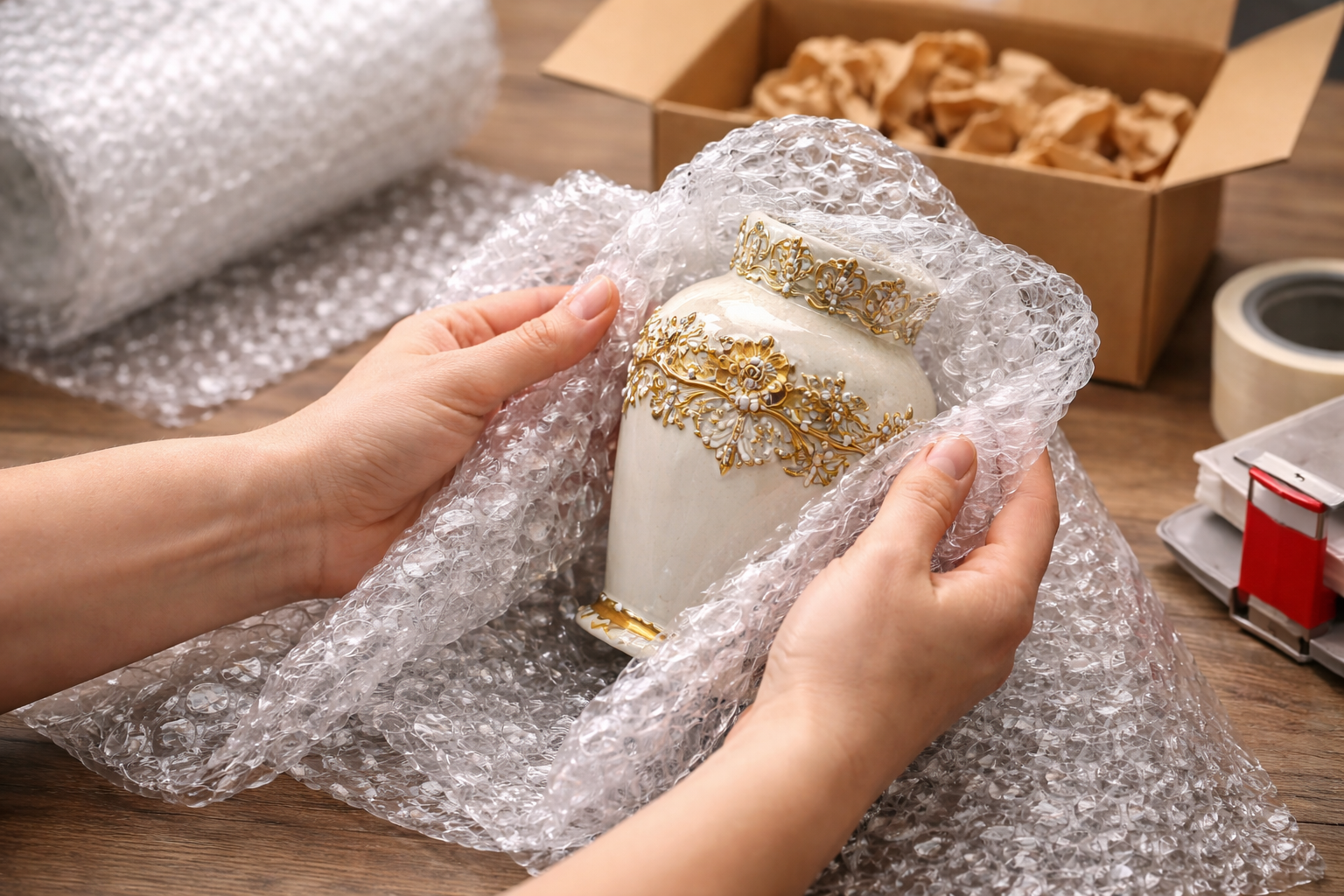
There’s also protection. Anyone who has watched a favorite mug or picture frame break in the back seat knows that sinking feeling. Slide those same items into a cardboard box, add some newspaper, bubble wrap, or even a soft sweater, and the box becomes a cushion. Suddenly fragile things feel safe, whether you’re mailing them across the country or tucking them away until next season. Even simple storage benefits. Holiday decorations, school projects, or old photo albums don’t get shoved in random corners. They rest inside labeled boxes, waiting to be found easily later. It feels good to open a closet and see neat rows instead of a tumble of forgotten things.

What makes cardboard boxes even more useful is how flexible they are beyond the obvious. Families cut them down for crafts, kids transform them into castles or race cars, and gardeners flatten them into natural weed barriers under mulch. A box that carried books one week can keep your garden soil clean the next. And when a box finally reaches the end of its life, recycling is simple. Most curbside programs pick them up, giving the cardboard another round of purpose and keeping waste out of landfills. It’s a small choice, but one that stacks up for the planet.

Even the cost is a relief. Plastic bins can look sharp, but they add up fast. Boxes, on the other hand, are often free if you ask at a store, or cheap when ordered in bulk. For something that holds just as much and keeps your things safe, they deliver serious value. Every dollar saved on storage can be put toward something far more enjoyable, like a weekend trip or a night out with friends.

The truth is, cardboard boxes don’t shout for attention. They don’t try to impress. Yet life without them would feel messy and frustrating. On moving day, in cluttered closets, in shipping fragile items, or even in a child’s imagination, these simple squares step up. They give us order, safety, and sometimes even a little joy.

So the next time you see one, don’t brush it off as boring. Picture what it really offers: less stress, more space, and a way to make life just a little easier. The box may be plain, but the relief it brings is anything but.

Gift Wraps Ruining Your Surprise?

Ever spent ages picking out perfect candies for a special gift, only to have the box you chose fall apart or look dull? It’s such a letdown—your thoughtful present loses its sparkle when the wrapping doesn’t wow. We’ve all been there, scrambling to make a gift feel special at the last minute. Let’s fix that. Here’s how to choose the perfect candy box for gifting, so your treats shine, your recipient smiles, and you feel like a gifting superstar.

First, picture the moment. You’re handing over a gift—maybe for a birthday or holiday. A box with a clear window lets those bright candies peek through, like jewels in a case. Imagine chocolates or gummy bears glowing under the light; your friend’s face lights up before they even open it. That instant joy solves the worry of a plain, boring package, making the moment feel magical.

Size is key. Count your candies first. A small box fits six truffles snugly, while two dozen need a bigger one. Leave a little room for a ribbon or tissue—about an inch around. Picture tying a silky bow around a neat square box; it sits pretty on a party table, no squishing or spilling. This fit stops the panic of candies melting together, keeping your gift pristine and your effort intact.

Material matters too. Go for sturdy cardstock over thin plastic that dents easily. Feel the box—smooth and firm means it’ll hold up in a bag or under a tree. Imagine giving a kid a gift that doesn’t crush when they grab it; their excitement stays high, and you avoid that awkward “oops” moment. Plus, sturdy boxes can be reused as keepsakes, cutting waste and adding a green touch that feels good to share.

Add a personal twist. Stick on a name tag or a colorful sticker—maybe a heart for Valentine’s or a star for a grad. Picture your cousin seeing their name in fun letters; it’s like a hug in a box. This small step turns a simple gift into a memory, easing the fear of it feeling too generic.

Think about allergies. Check that your box can hold a clear label listing ingredients. Imagine a parent relaxing, knowing the treats are nut-free for their kid. That care builds trust and makes your gift a safe, happy choice for everyone. It’s a small detail that shows you get their worries.

Where to shop? Local craft stores or online gift shops have unique shapes—think hearts or small baskets. Test one: fold it shut to ensure flaps stay put without tape. Picture setting it up the night before; no stress, just calm prep. This ease lets you focus on the fun of giving, not fixing a flimsy box.

For extra charm, match the box to the event. A red and green print for Christmas pops under lights, solving the problem of gifts blending into the pile. Imagine your present standing out, sparking chatter at the party. That little boost makes you feel like the gift-giving hero you want to be.

Choosing the right candy box turns your gift from ordinary to unforgettable. You’ll hand it over with pride, knowing it looks as good as the treats inside. No more last-minute scrambles—just the thrill of seeing eyes light up. Try these tips next time, and you’ll feel like you nailed the perfect present.

Banish Dents for Good

Ever opened a package to find it dented or crushed? It’s a headache for anyone shipping goods, from movers packing furniture to online sellers sending fragile crafts. Those dents can ruin products, upset customers, or lead to costly returns. Imagine the frustration of a buyer receiving a squashed box of pottery—hours of work wasted. So many people deal with this, feeling stuck when their packages arrive looking beat-up. But you can keep your boxes dent-free with easy steps that make them tough as nails, ensuring every delivery looks as good as when it left your hands.

Let’s dive in with a clear plan. Dents happen when boxes are too thin, overloaded, or mishandled during transit. Weak walls cave under pressure, and sharp corners get bashed in sorting hubs. To stop this, choose double-wall corrugated boxes—they’re like armor, absorbing hits without buckling. Look for ones rated for higher weights if you’re shipping heavy items like books or tools. Picture your box standing strong, like a sturdy shed weathering a storm, keeping contents safe inside.

Here’s how to pack for protection: Line the inside walls with bubble wrap or foam sheets, creating a cushioned barrier—about a quarter-inch thick works well. Distribute weight evenly across the box bottom to avoid stress points; for example, place heavy items like jars in the center, not stacked on one side. Seal seams with reinforced tape, wrapping it twice around edges for extra strength. A small business might use this trick to ship glassware, ensuring it arrives without a single crack. This turns your box into a fortress, shrugging off bumps from rough handling.

Handle with care to prevent damage. Always lift boxes from the bottom, not the sides, to avoid weakening flaps—think of scooping up a toddler under their arms. Stack boxes low during storage or transit, keeping them under three feet high to reduce pressure. If you’re shipping, mark boxes with “This Side Up” arrows to guide carriers. Visualize your packages arriving pristine, like they were hand-delivered, with no dents or scuffs. Adding a “Fragile” label can encourage gentler treatment too.

Choose eco-friendly boxes for a bigger impact. Mushroom-based packaging grows naturally and composts into soil nutrients, helping farms grow better crops. Recycled cardboard cuts down on landfill waste, keeping parks cleaner for picnics and playtime. Customers love seeing green choices—it’s like a high-five for supporting a healthier planet. Imagine your boxes helping reduce trash, making rivers safer for fish. These options cost about the same as standard ones and boost your brand’s caring vibe.

Test it out to build confidence: Pack a box with a light item, like a mug, and drop it from knee height onto a carpet. No dents? You’re on track. Try it with heavier items next, like a stack of plates, adjusting padding as needed. Practice makes it quick, like folding laundry without thinking. Share the method with friends—they might suggest adding corner protectors for extra toughness. Jot down your best box types in a notebook for easy reordering.

Save smart on supplies. Bulk buys of double-wall boxes are cheaper per unit—check online retailers or local warehouses for deals. Reuse sturdy boxes from incoming deliveries, inspecting for wear first. Mix strengths: heavy-duty for electronics, lighter for clothes. Look for sales during peak shipping seasons, like before holidays, or join a co-op with other businesses to split bulk costs. Store boxes flat in a dry spot to keep them strong.

Level up with tools like a box cutter for precise resizing—perfect for custom fits. For frequent shippers, a tape dispenser speeds up sealing, saving wrist strain. If you send packages overseas, check customs rules on box types to avoid delays. Always weigh boxes after packing to dodge extra postage fees.

With these tips, your boxes will arrive dent-free, impressing recipients and cutting complaints. You’ll become a packing pro, confident in every shipment’s safety. Start today by testing a new box type and maybe add a thank-you sticker for a personal touch. Keep refining your process, and soon you’ll have a dent-proof system that’s reliable and stress-free.

Tame Your Cluttered Desk Now

Ever stare at a desk buried under rolls of tape, scattered labels, and crumpled envelopes? It’s a nightmare for anyone trying to get work done, whether you’re running a home business or just mailing holiday gifts. You reach for a marker, but it’s lost in the chaos, and suddenly your quick task eats up half an hour. Picture starting your morning digging through piles—it saps your energy and makes you dread packing. So many people deal with this mess, feeling like they’ll never get organized. But you can turn that cluttered corner into a smooth, efficient workspace with a few easy steps.

Let’s tackle it piece by piece, no stress involved. The root of the chaos is simple: stuff without a proper place. When tapes mix with pens and envelopes flop everywhere, it’s a recipe for frustration. Start by grabbing some organizers—think small bins, trays, or even drawer dividers. Label them clearly with words like “Tape,” “Labels,” or “Envelopes” using a bold marker. This way, you grab exactly what you need without a treasure hunt. Plastic bins with lids keep dust off, while wall-mounted pockets free up desk space for your coffee mug. Imagine your desk looking like a tidy toolbox, everything within arm’s reach.

Here’s how to set it up: Sort your supplies by type. Put all tapes in one spot, envelopes in another, and markers in a third. Stack items vertically in racks to save room—think of a spice rack but for shipping gear. Hang rolls of tape or bubble wrap on hooks or a pegboard for easy access; it’s like hanging pots in a kitchen for quick grabs. Group similar items, like packing peanuts and bubble wrap, in one big bin to avoid spills. For speed, color-code your bins—say, blue for sealing stuff and green for padding. This setup makes your workspace feel calm, like a clear countertop ready for action.

Keep your supplies fresh to avoid headaches. Check expiration dates on adhesive rolls—old tape loses stickiness, especially in hot or damp rooms. Rotate older stock to the front, like you’d do with milk in the fridge. Store ink pads and markers upright to prevent leaks that ruin your desk. Picture reaching for a tape roll that’s ready to go, no dried-out disappointments. If you find a dud, toss it and jot down what brands work best. This keeps your process smooth, saving you from last-minute runs to the store.

Choose eco-friendly options to do some good while you organize. Envelopes made from recycled paper cut down on tree chopping, helping forests stay green for wildlife like squirrels and birds. Biodegradable packing peanuts dissolve in water, reducing landfill clutter and keeping rivers cleaner for fishing or swimming. Customers love seeing you care about the earth—it makes them feel proud to shop with you. Imagine your packages supporting cleaner parks where kids can play. These choices are affordable and add a feel-good vibe to your work.

Try this today: Clear one shelf or drawer and sort a few items into labeled containers. Does it feel easier to find things? That’s progress. Build on it daily, maybe organizing one category each morning. Share a before-and-after photo with friends or online groups—they might suggest using mason jars for small bits like clips. Over time, this habit turns your desk into a productivity hub, not a junk pile.

Save cash with smart shopping. Look for bundles that include bins with your tape and envelopes—many online stores offer these at discounts. Reuse old containers from home, like shoeboxes or plastic food tubs, for free storage. Variety packs give you a mix of sizes for different tasks, so you’re not stuck buying extras. Check local office supply stores for clearance sales, or team up with other small businesses to buy in bulk and split the cost. Keep a list of go-to suppliers for quick reorders.

Level up with tools like a label dispenser—it spits out stickers fast, no peeling struggles. For bigger setups, try a rolling cart to move supplies where you need them. If you ship often, a digital inventory app can track what’s low, so you never run out mid-task. Always store supplies in a cool, dry spot to keep them in top shape—avoid garages if they get muggy.

With this system, your desk becomes a calm, efficient zone. You’ll zip through packing tasks, feeling like a pro who’s got it all under control. No more frantic searches or wasted time. Start sorting today, and maybe add a small plant to your desk for a cheerful touch. Keep tweaking your setup to fit your flow, and you’ll wonder how you ever worked in that old mess.

How to Pick the Right Cardboard Box

If you’ve ever tried moving, shipping, or even storing holiday decorations, you already know the wrong box can turn a simple job into a headache. A box that’s too thin breaks open. One that’s too big wastes space. And one that’s the wrong shape makes you want to give up halfway through.

So how do you choose the right cardboard box? Let’s break it down.

Start With the Job in Mind

The first step is simple: ask what you need the box to do.

– Moving houses? You’ll want sturdy boxes that can carry books without splitting.

– Shipping something fragile? Double-walled boxes are your best friend.

– Organizing your garage? Lighter, cheaper boxes work fine since they won’t be tossed around.

Picture yourself carrying the box. Will it hold up? Will you be glad you chose it—or wish you had something better?

Size Matters (More Than You Think)

It’s tempting to grab the biggest box you can find. But here’s the truth: big boxes often get too heavy to lift. Imagine filling a giant box with canned goods. By the time it’s packed, no one can move it without pulling a muscle.

Instead, think “right-sized.” For heavy items, go smaller. For lighter things like pillows, go larger. You’ll save your back—and your patience.

Strength = Peace of Mind

Not all cardboard is created equal. Some boxes are single-wall. Others are double-wall, with two layers of corrugated cardboard. Double-wall costs a little more, but it keeps you from worrying about boxes collapsing.

One way to test strength: gently press the side of the box before using it. If it bends easily, don’t trust it with heavy loads.

Eco-Friendly Wins Hearts

Here’s something many people don’t think about: cardboard is one of the most recycled materials in the world. Choosing boxes made with recycled content isn’t just good for the planet—it’s something your customers or friends will notice if you’re shipping products.

Want to feel even better? Re-use boxes when you can. Your wallet and the earth both win.

Don’t Forget the Tape

Even the best box is useless if the bottom splits open. A strong, wide packing tape can be the difference between everything arriving safely—or your stuff scattered across the street. Think of tape as the seatbelt for your boxes.

The Experience Counts

Here’s something most people overlook: a box isn’t just a container. It’s part of the experience. Imagine opening a well-packed, neat box with clear labels. Now imagine ripping into a crushed, half-taped mess. One says “you’re cared for.” The other says “good luck.”

When you pick the right box, you’re not just solving a problem. You’re creating peace of mind, ease, and even a little joy.

Final Thought: The best cardboard box is the one that makes your job simple. Pick with care, and the box fades into the background—leaving you free to focus on what matters most.

Why boxes matter more than you think

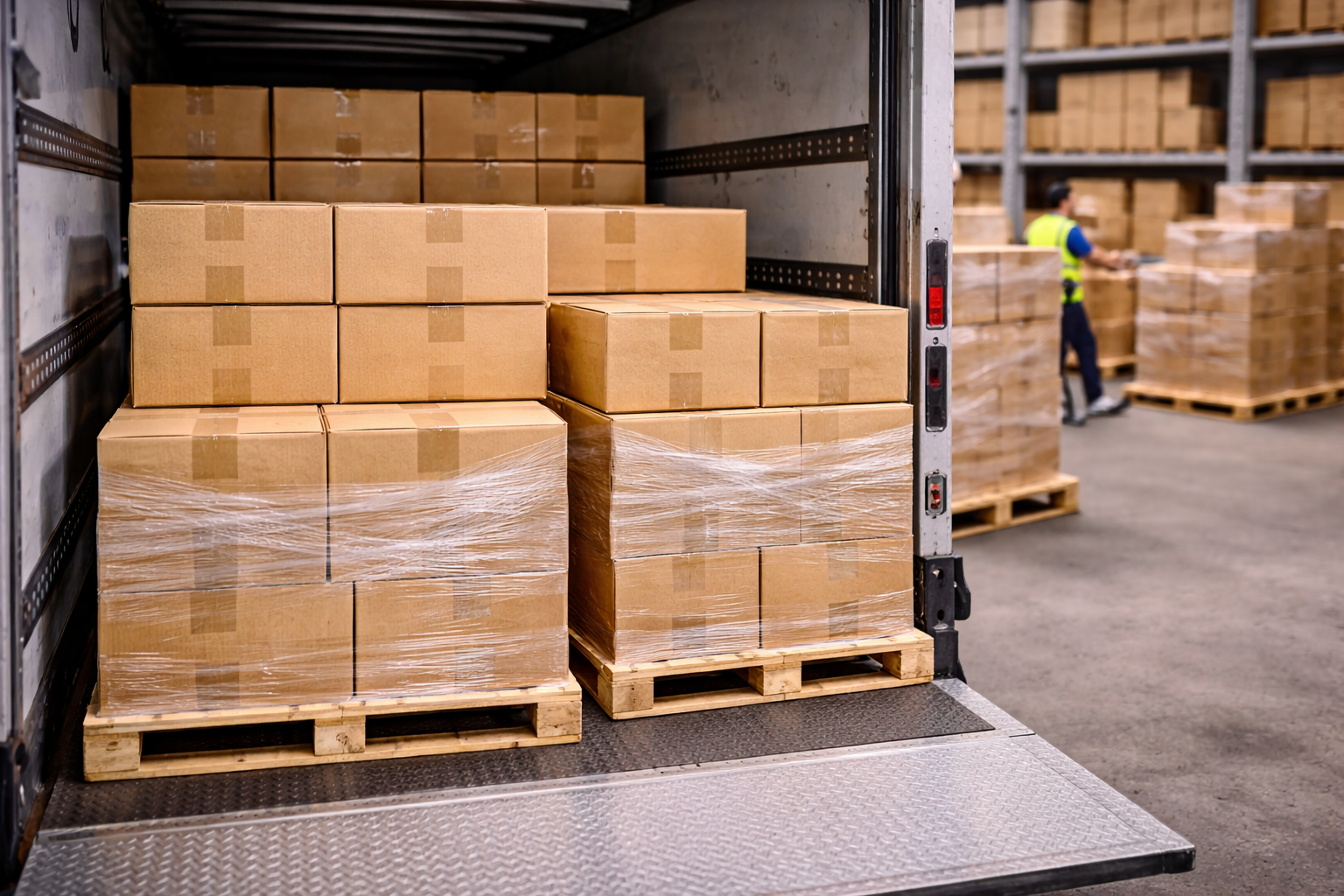
When you order something online, you usually look at the product first. But the box it comes in is very important too. A box is more than just a container. It protects the item inside. A strong, well-packed box can mean the difference between a happy customer and a broken order.

Think about it. Packages travel a long way. They ride on trucks, move on conveyor belts, and sit in sorting centers. Along the way, they bump into other boxes, drop from shelves, or get stacked too high. A weak box can get crushed or torn. If the item inside is fragile, it can break easily. The right shipping box keeps it safe through all of that.
Boxes come in many sizes and strengths. Small boxes are good for light items like clothes or books. Medium or large boxes are better for heavier items or sets of products. Strong boxes, like double-wall cartons, are best for fragile or heavy items. Choosing the right size and strength helps products arrive safely.

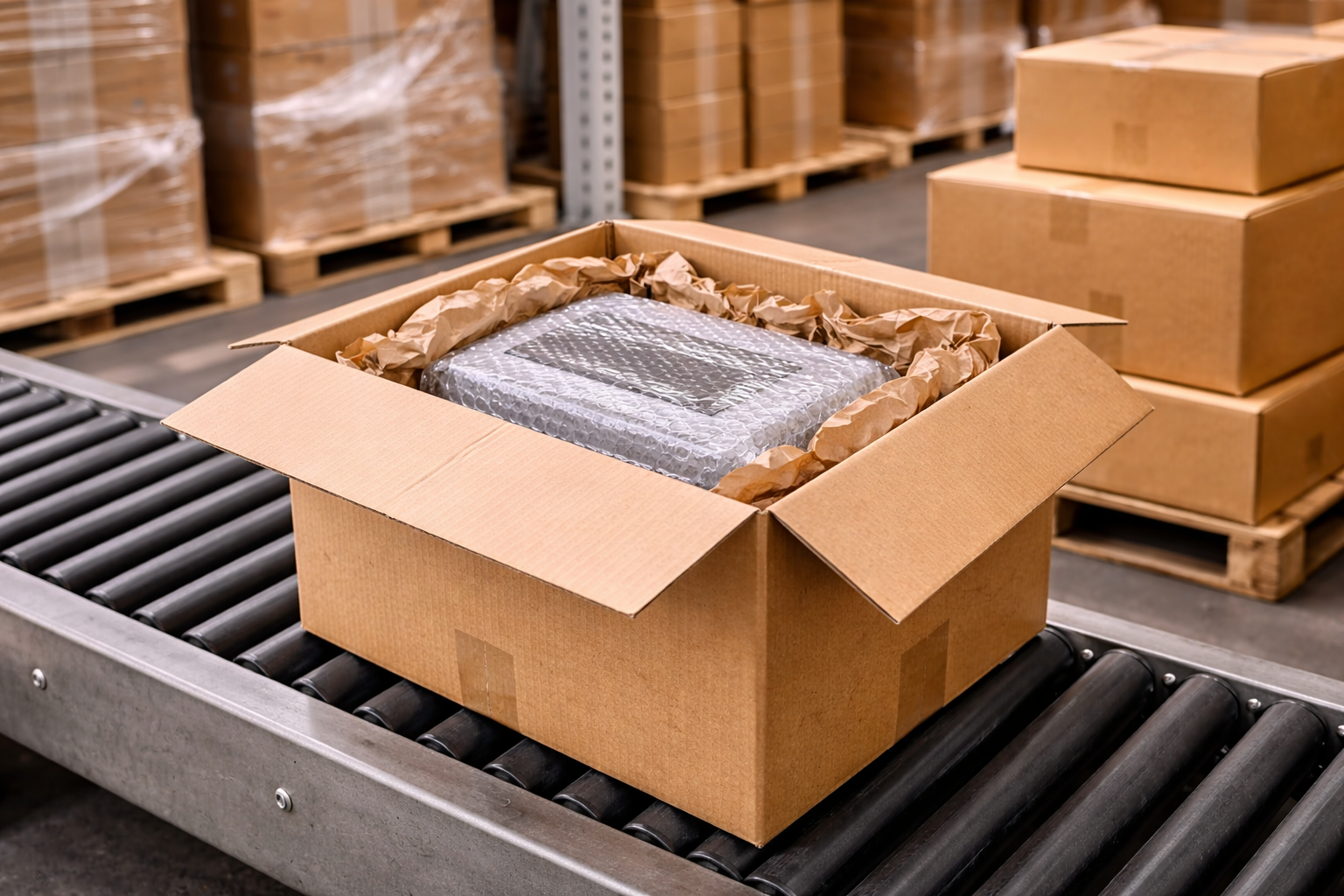
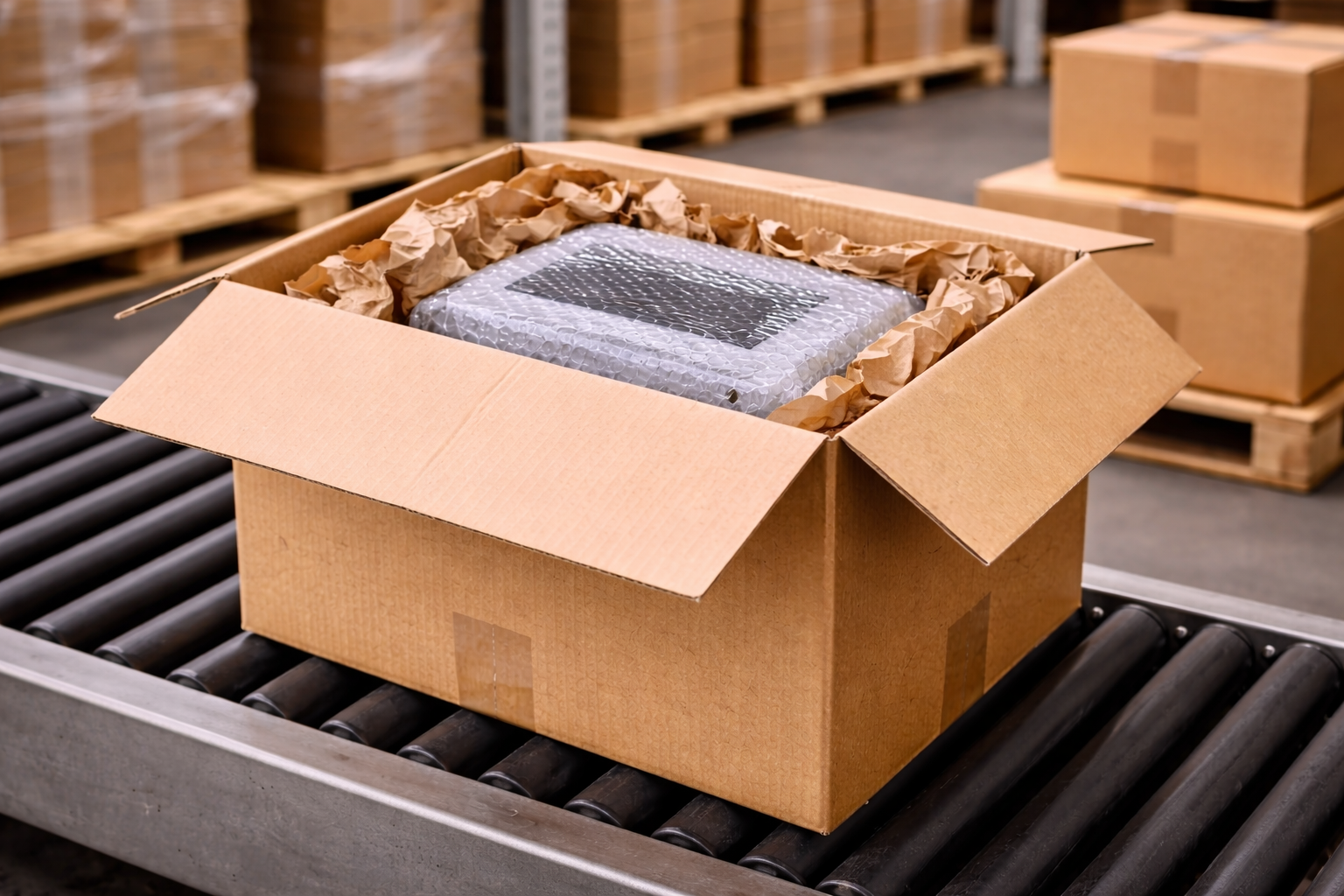
Padding inside the box is also important. Bubble wrap, foam peanuts, or kraft paper helps hold items in place. It stops them from moving and protects them from bumps. Even a small item, like a mug or glass ornament, can survive a long trip if it is wrapped well and placed in the right box.

Tape is another small but important part. Strong packing tape keeps the box closed, even when it is tossed around. Cheap tape can peel off or tear, and then the box can open on its own. A box that opens in transit can ruin the product and make the customer unhappy.
Good shipping boxes also make customers feel cared for. A neat, sturdy box looks professional and shows that the business thought about the order. Broken or sloppy boxes make customers feel like the company didn’t care. People remember these feelings, and it can affect whether they buy from the business again.

Using the right boxes can also save money. Oversized boxes use extra shipping space, which costs more. Undersized boxes can cause damaged products and returns. Picking the right size and strength prevents waste and keeps shipping costs lower.

Even the little details matter. A box that is clean, taped well, and filled correctly can make a big difference in the customer’s experience. It makes unboxing exciting and shows that the business cares about every order. Customers like that. They are more likely to come back and tell friends about the business.

In the end, shipping boxes are more than cardboard. They protect products, save money, and make customers happy. Every package that arrives safely builds trust and loyalty. Businesses that choose their boxes carefully make sure every customer has a good experience. The box is the first thing a customer touches, and it can set the tone for everything else.

A strong, well-packed box sends a simple message: “We care about your order.” That message is worth more than anything inside the box.

Shipping Supplies Built for the shared Economy 

Many peer-to-peer groups are starting to rise up, with many of them changing the scope of packaging. Overall, these types of gig delivery models are starting to fill our world today.

For example, sellers on the marketplace, selling items either in bulk or with a specific niche to customers, is becoming popular.

There’s also some companies that are offering shared fleets, where they will take these different sellers, put the packaging all on a truck, and from there, just ship it to the customers. 

There’s also flexible warehousing, where warehousing options are built for all sorts of packaging, and can scale with the current state of the business. 

All of these are working together, and in turn, you need to make sure that your shipping supplies do the same.

Here, we will go over how shipping supplies for the shared economy are changing the scope, and what it means for you as a business. 

New Supplies that are Tamper-Evident and Self-Explanatory 

These days, a lot of these brands need to have it so that nobody touches the box twice. It goes from the seller, via the fleet, all the way to the customer. This track record means that you need to have supplies that are tamper-evident, meaning that they cannot be tampered with or will show if there is tampering. This is important, because you may not know who is sending the box otherwise.

Another thing is making it self-explanatory. People don’t want to have to ask questions and delay the shipping. It says what it is, is used, and then shipped out.

Speed and efficiency is the name of the game. 

What’s Made for This 

You want to make sure that the shipping supplies are made for this, but also your handling conditions.

Making sure that they’re durable and strong is a good place to begin.

Ride shares are one example. Having packaging that can withstand being thrown in cars and shipped to customers is a good place to start.

The other one is bikes. Lots of companies will ride bikes, and this of course, is a form of transportation of such shipping supplies. Having good, sturdy materials that are small enough to fit on a bike is imperative.

Finally, cargo lockers. These are lockers where a lot of sellers may put their stuff, to be picked up later.   When it’s delivered, lots of customers may also stop at a locker. Ensuring that it’s snug, secure, and can withstand extreme heat, humidity, and cold, is important as well. 

How to Improve Accountability with Distributed Delivery 

With these shipping supplies, you have to improve accountability. What that means is, if you’re not able to show who delivered it, and also who handled it, then that will be a problem. A customer might ask, and if you cannot say who it is and handle accordingly, that reflects on the business. 

Labels are one example, because they help with tracking where it’s going, and the exact address. A built in GPS or tracking route is another one, because it can show the brand and the customer where the item is going.

Finally, if you have the money, you should also consider app integration via a QR or barcode scanning.   This works because customers can check on the app, to see where it went. 

Again, this might not be as feasible if you do not have the funds, so look at your current budget. 

All of these work well, and give you something to work with, especially if you’re looking to start in the realm of the shared shipping economy world. 

How Self-Assembling Packaging is the Future of Setup-Free Shipping 

Self-assembling packaging is a unique type of packaging that helps to reduce so much of the stress that a lot of companies and employees deal with. When you need to put together the item fast, and offer some quick turnarounds with such packaging, this is the way to go.

It is stress-free, simple, and easy for you to accomplish.

So what is it exactly? Well, think of it like flat packaging that opens up and becomes exactly what you want it to be, or something that requires minimal effort from someone to put it together. Again, it’s fast, effective, and different, allowing for you to have some setup-stress-free shipping and packaging options that will truly stand out.

How it Works 

This type of packaging is something that’s becoming all-too popular for a few reasons. The science behind it is reason alone to find it something unique, and curious.

How this works is through the use of memory materials. What this means, is materials that will remember what the packaging is, and then adjust and shape to display the items.

Scored folds are another, where you fold the item within the packaging scored areas, building a box or receptacle for this.

Finally, magnetic closures.   With a magnetic closure, you simply remove it, and it opens to display the item that’s inside. 

It’s unique, innovative, and interesting in all the right ways, giving you something special to work with.

The Benefits 

So many companies benefit from this type of packaging. 

Fulfillment is so much faster, offering you a chance to get the items out quickly and effectively, without any delays or problems with this.

It also means that there will be less pacing errors. Once you have the package there, and surrounded by all of the packaging material, it folds upon itself, displaying and building a package. 

It again saves the sanity, time, and stress for a lot of companies. Many also use a sort of smart packaging system too, where it will tell you where to package it in order to ensure that the box is ideally optimized. 

The Eco friendliness of This 

One reason why a lot of brands are turning to this as well too, is through the eco friendliness of certain items. 

It involves way less tape. If you’re a business that has been using packaging tape that’s riddled with plastic, there you go, this is a huge benefit.   It reduces the output, and makes it way more ecofriendly.

It also involves fewer tools. Gone are the days of you roaming around, trying to find that item you need. Self-assembling packaging takes all that out, and makes it easier, and setup-free.

Finally, reduced materials. You’re using less materials, will reduce your overall eco footprint, and in turn, you will be seen as a business that contributes to sustainable, green initiatives.

All of this comes together to make your packaging fast and efficient. Many brands that know how to use this kind of packaging benefit from this, and it can be the best way to have setup-free shipping supplies.

The future is this, and once you have this type of packaging introduced and put in place, it changes the game forever, allowing for you to have a stress-free setup, a better result, and packaging that not only shines, but glows for your customers. 

Many warehouses and businesses in general are taking advantage of this, and you as a customer should also consider these magical results, as they can give you so much to work with, and great ways to truly improve your business’s outlook. 

Soundproof Packaging to Reduce Transit Noise Pollution 

Sound is great, until it becomes a liability in shipping. 

Fragile items rattling have the chance of cracking, ruining the item. Clanking metal might impact the way in which some gears and parts come together. If an electronic starts to vibrate, it reduces shock, which can fry the circuits of the items that are inside. 

Many brands are using silent packaging to keep everything protected. You see this in laptops and computers, game consoles, fans, and even some high-end fragile item companies that know the wrong motion will cause the item to potentially break.

Soundproof packaging protects the items during transit, and by preventing noise pollution, you prevent further issues with shipping, and here, we’ll go over how.

The Materials that Dampen or Absorb Sound 

There are materials that will dampen and absorb sound while in transit. Such items are going to ensure that the sound doesn’t come out, and doesn’t create rattling.

Acoustic foam is one of them. When wrapped around a package, it provides a cushion, which also stops shock and rattling from occurring. This is also used with fragile goods, in order to ensure that they don’t break. 

If you’re looking for a more eco-friendly sort of option, there are now honeycomb foam fibers, or those made from corrugated materials. With this, it will offer dense levels of protection from elements, including rattling and clanking, while also being safe for the environment.

Dense fiber wraps are another.   These wraps are made with some fibers, including cloth, allowing your packaging to be soundproof and safe to use.

Packaging for High-End Equipment 

With this type of equipment, especially high-end audio equipment, tools that are sensitive, and luxury items, you want silence. This is professionalism. Utilizing foam to wrap around these items is important. Honeycomb layers or something along the base keeps it of the ground, and away from rattling.

For an even more personalized, deeper protection, wrapping cloth and other fibers around the item will protect it. 

Your goal, as a brand, is to make the packaging soundproofed and silenced.   If you’re able to do that, you’re making a huge difference. 

Why This matters 

The truth is that customers do also look at the item’s noises during the shipment and delivery. Though we have focused a lot on the impacts of sound on the possible compromising of electronic components and whatnot, it can also impact delivery and perception.

Some customers believe that loud means low quality. So if your package creates rustling, rattling, and other such factors, it can be frowned upon. In contrast, those that are silent will be able to make it even better for you, and also will ensure proper professionalism from the moment it hits the customer’s doorstep.

That isn’t to say that all noise is bad. Some noises are good, actually. There are some noises that really stand out and shine, that offer the customer a full gamut of experiences. But, those noises tend to be branded noises that one associates with. They also tend to be more pleasant noises too, allowing for them to sound good, feel good, and look good.

So yes, for many customers, soundproof packaging is in. Many brands are taking it upon themselves to put in soundproof branding and packaging. Doing this will thereby, over time, prevent unnecessary noise not just during transit but also delivery, and in turn, through all of this, customers will have a better experience. their perception of you as a brand will improve, and they will feel more confident in trusting you, ensuring more repeat buyers as well. 

Tactile Enhanced Packaging for the Blind and Visually Impaired 

This is a very overlooked market in packaging design.

Touch indicative packaging is something that’s growing in importance. It isn’t just for the blind people out there, but for those whose eyesight is going bad, and who needs this type of packaging. With millions depending on touch, not just visuals, designing for this is important, so make sure that you add some tactile-enhanced packaging to really make it shine.

How can you do this? Here, we’ll go over how to make this tactile-enhanced packaging better than ever. 

Ways to Make Packaging Touch-Focused for Blind People 

While it might not be possible, adding braille, raised icons, and textures are a good place to start.

Some may also figure it out through embossing certain areas, such as reading the name through touching the embossment, or getting a feeling of what the packaging is through an embossed logo.

Another example are directional indicators. Arros for instance, will tell you all about the way something needs to go. Adding directional arrows and indicators offers you a chance to show customers where to go, to make it better.

The same goes for tactile indicators. Having one section that’s a little less rough, or has a pull tab to open, will help customers open things up. some are able to understand what the item is and where to open through this alone.

Shipping Labels that Communicate Through Feeling 

One new addition that some brands are putting in are shipping labels which communicate various things through feeling.

Risk symbols are one of them, where it will tell you the exact risks of a product through some textured symbols, or maybe just the visual of symbols. For instance, there are various symbols which say that something is fragile, making it easier.

Orientation indicators are another. These will tell you how to put up a box, where to sit it, and the like. Again, with such orientation, it helps to ensure that the packaging is able to be put in the correct direction. 

If you want to make it even more efficient for people, consider a QR voiced playback for this. the person can scan a QR code on the packaging and from there, get guided instructions.

While some of these require a bit of seeing, not all are like that. tactile packaging works with this, and not only does it make the lives of those receiving it easier, but those also who have some visual impairment during shipping benefit as well.

Design Standards and Inclusion Guidelines 

With tactile packaging, there are some AND compliance that needs to be put in place. Having the ADA compliant guidelines on this is a good place to start.

You should also look at the global packaging norms as well. Some companies are already taking it into their hands to make their packaging easier for all sorts of customers. Including multiple languages, braille, and easy to understand indicators is not only the norm for a lot of companies, but also becoming an industry standard for a lot of companies as well.

If you’re a brand looking to make your packaging better, more inclusive, and ready to be shipped, consider these factors, and see for yourself the importance of having this type of inclusive branding, and what it will do not only for your company right now, but for future brands as well, as you make the lives of the visually impaired all the more easier, and in turn, lead to better loyalty and sales. 

One instruction at a time, you can make your packaging compliant, and inclusive to all standards.