Monthly Archives: April 2026

Why use poly bags?

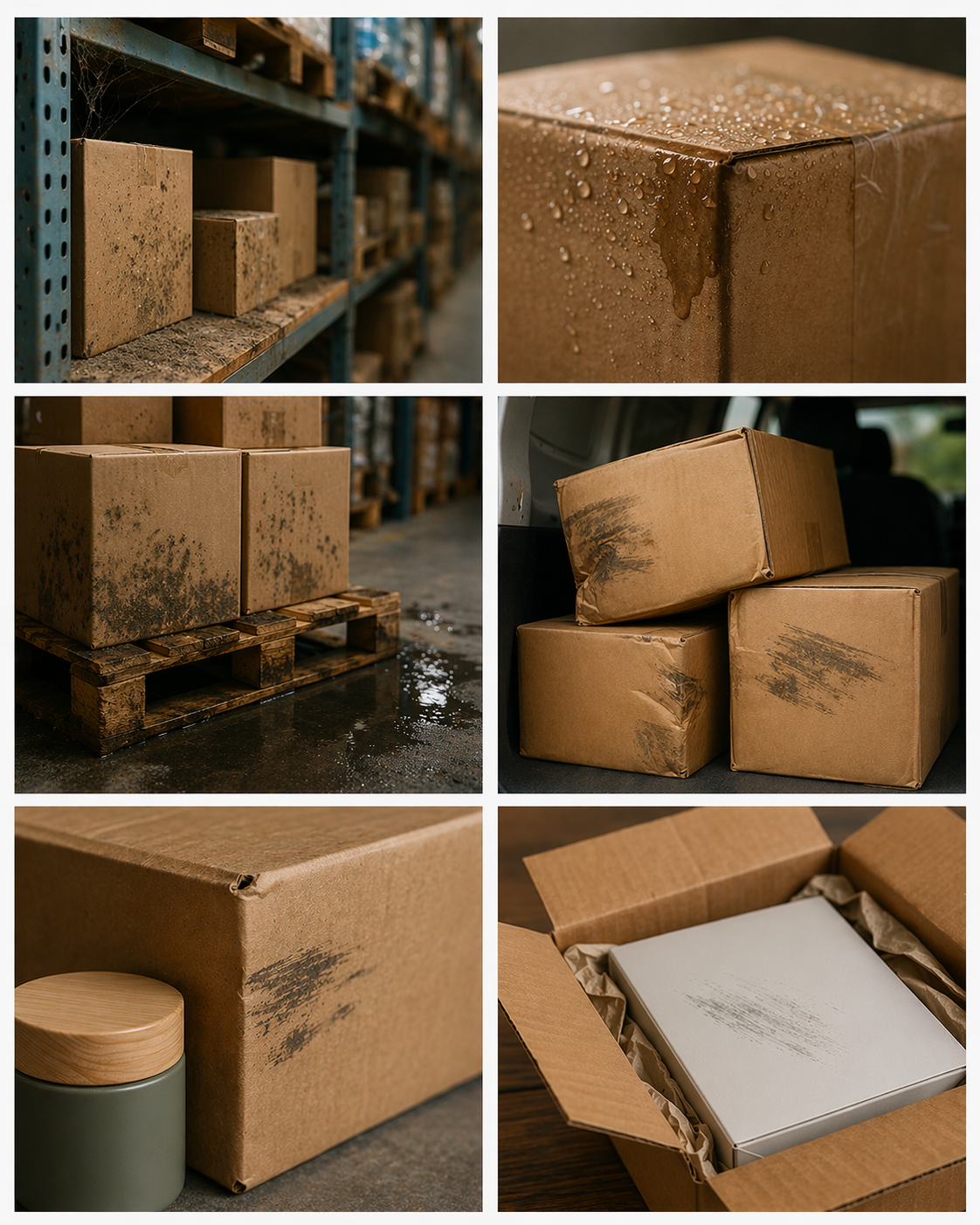
Many people do not think much about packaging until small problems begin to show up. Items sit on shelves collecting dust, moisture slowly affects materials, and products arrive with marks that were not there before. These issues are often not caused by the product itself, but by a lack of proper protection during storage and shipping.

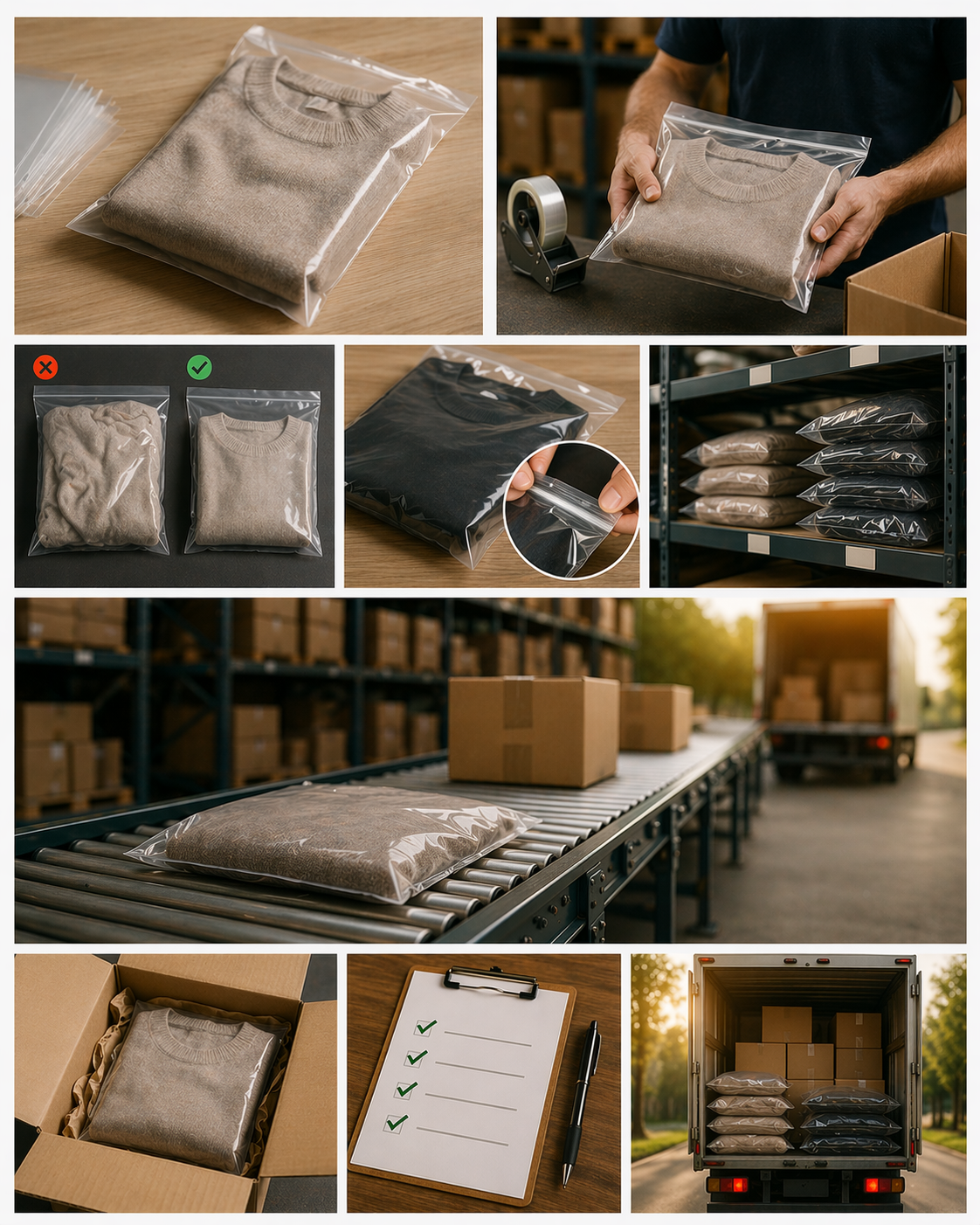
Poly bags provide a simple and effective way to prevent these problems. Picture placing a product into a smooth, clear bag, sealing it shut, and immediately creating a protective layer around it. That thin layer helps block dust, light moisture, and surface damage that can happen during normal handling. It is a small step, but it can make a noticeable difference in how products look and perform when they reach the customer.
One of the most practical benefits of poly bags is visibility. Because they are clear, you can quickly identify what is inside without opening each package. Imagine walking through a storage area where every item is neatly wrapped and easy to recognize. This saves time, reduces handling, and helps maintain better organization. When products remain sealed until they are needed, they are more likely to stay clean and in good condition.

Choosing the correct size is an important part of using poly bags effectively. A bag that fits closely around the item helps prevent movement. When a product shifts inside a package, it increases the chance of wear or minor damage. A properly sized bag holds the item in place, keeping it stable from the moment it is packed until it is delivered.

Sealing is another key factor. Whether using a self-seal strip or heat sealing, the goal is to create a tight and consistent closure. Imagine pressing a seal closed and knowing that air, dust, and moisture are kept out. A secure seal helps ensure that the product remains protected throughout storage and transit. It also gives the package a clean, finished appearance that reflects attention to detail.

Poly bags are also useful for improving workflow. In a busy packing environment, speed and consistency matter. When items are pre-bagged or quickly placed into bags, the packing process becomes more efficient. This reduces time spent preparing each order and allows more focus on accuracy and quality. Over time, these small improvements can lead to smoother operations and fewer errors.
Another consideration is presentation. When a customer receives a product that is clean, protected, and well organized inside its packaging, it creates a positive impression. Even before the product is used, the condition in which it arrives can influence how it is perceived. A simple protective layer can help maintain that standard.

Many poly bags today are also made with recycled materials, offering a practical way to support responsible use of resources. This allows businesses to choose packaging that performs well while also being mindful of long-term impact. It is a balanced approach that does not sacrifice durability or function.

Overall, poly bags offer a reliable way to protect products, improve organization, and maintain consistent quality. By selecting the right size, sealing properly, and using them as part of a regular process, you can reduce common packaging issues and create a more dependable system from storage to delivery.
Why your packages keep breaking

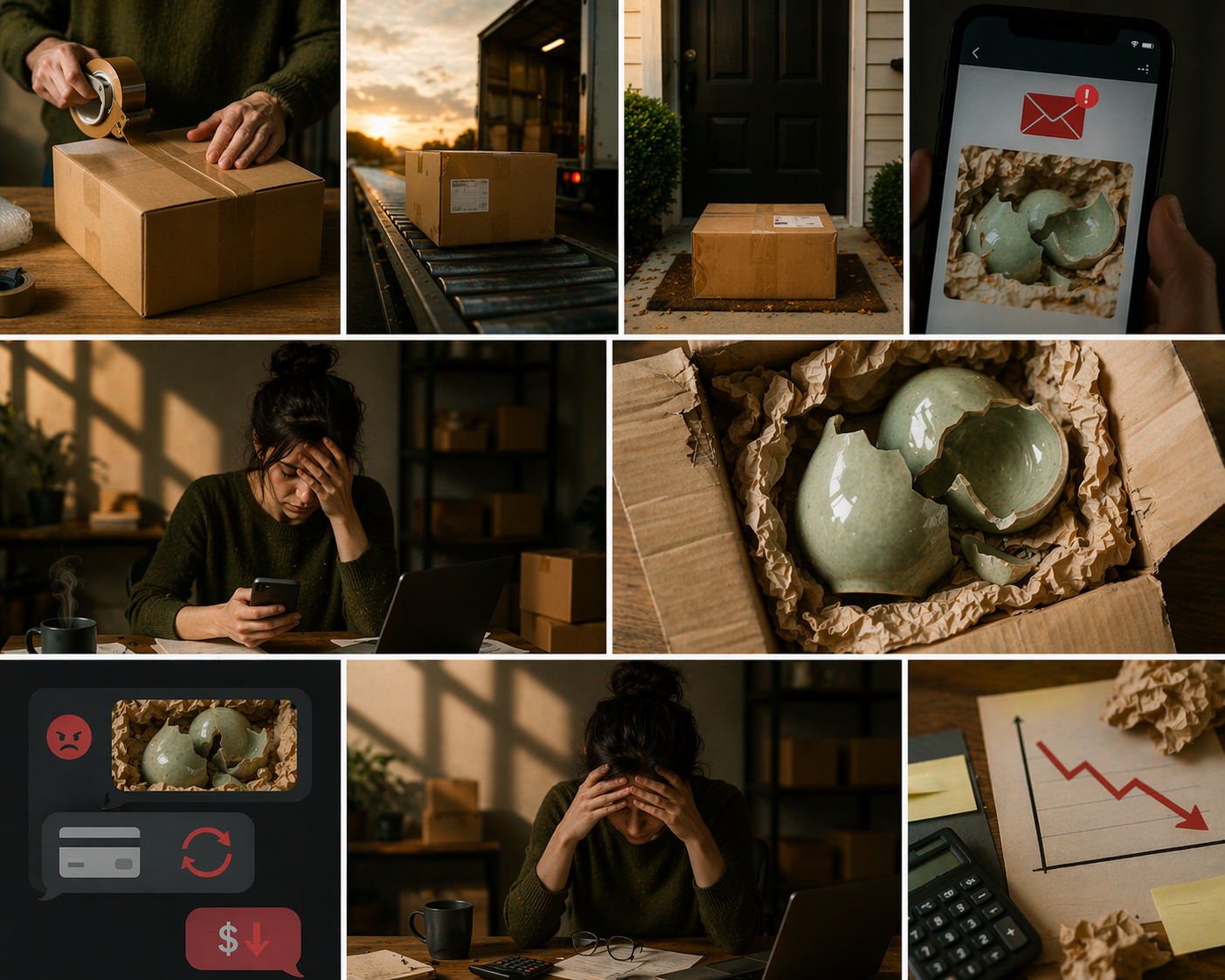
You pack an order, tape it up, and send it out thinking it will arrive just fine.

Then the email comes in.

“Hey… this showed up damaged.”

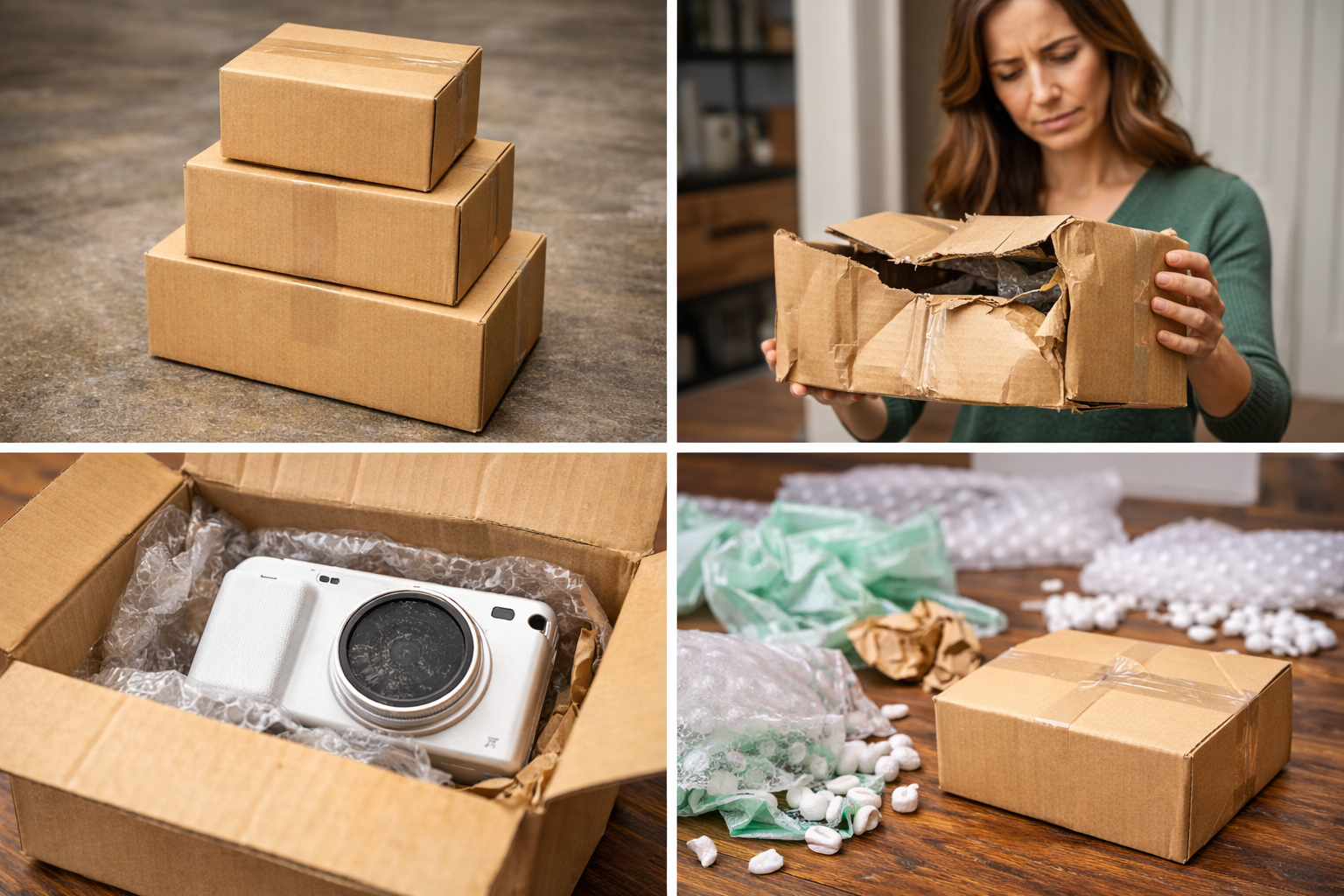
Now you’re looking at a crushed corner, a split seam, or worse… a product that can’t even be used anymore. You refund it, replace it, and eat the cost. Not just money, but time, stress, and trust.

If that sounds familiar, you’re not the only one. Most people don’t have a “product problem.” They have a packaging problem.

The issue usually starts small. A box that feels a little thin when you press on it. Tape that curls up at the edges after a day or two. Padding that shifts around like loose sand instead of staying in place.

It doesn’t seem like a big deal… until the package hits a truck, gets stacked under 40 pounds of other boxes, and slides around for two days straight.

That’s when weak packaging shows up fast.

Here’s the good news. Fixing it is not complicated once you know what to look for.

Start with the box itself. A strong box should feel firm in your hands. When you press on the sides, it should push back. Not cave in like a cereal box. If it feels soft before you even pack it, it won’t survive the trip.

Next is how the item sits inside. Picture placing your product in the center of the box and giving it a light shake. If it slides or bumps into the walls, it needs support. Good packaging fills that empty space so the item stays still, like it’s locked into place.

Now think about the bottom of the box. This is where a lot of people cut corners. They use one strip of tape and hope for the best. But when that box gets lifted over and over again, the bottom takes all the weight. Adding a second strip across the seam can be the difference between a clean delivery and everything spilling out on someone’s porch.

Another thing most people miss is moisture. Even on a clear day, boxes move through humid spaces, trucks, and warehouses. That soft feeling you sometimes notice at the bottom corners comes from that exposure. Using materials that hold up better in those conditions helps keep the structure solid from start to finish.

When you put all of this together, something interesting happens.

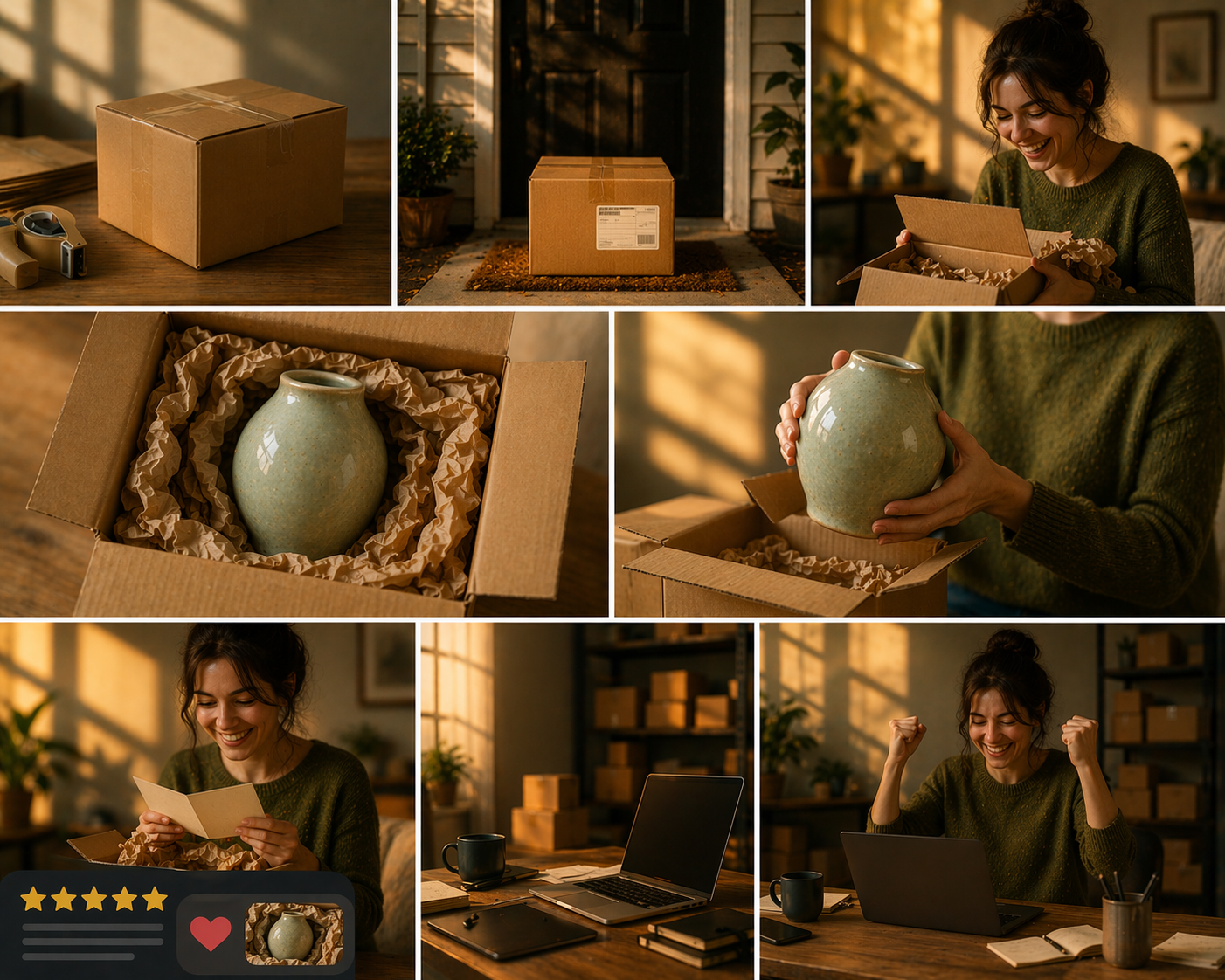
Your packages start arriving the way you packed them.

No crushed edges. No loose items rattling around. No awkward customer emails asking what went wrong.

Instead, your customer opens the box and everything looks right. Clean, secure, and handled with care.

That moment matters more than people think. It’s the difference between someone ordering once and someone coming back again.

Good packaging supplies don’t just protect what’s inside. They protect your reputation.

And once you experience what it feels like to send something out without worrying about it… it’s hard to go back.

Why items show up wet

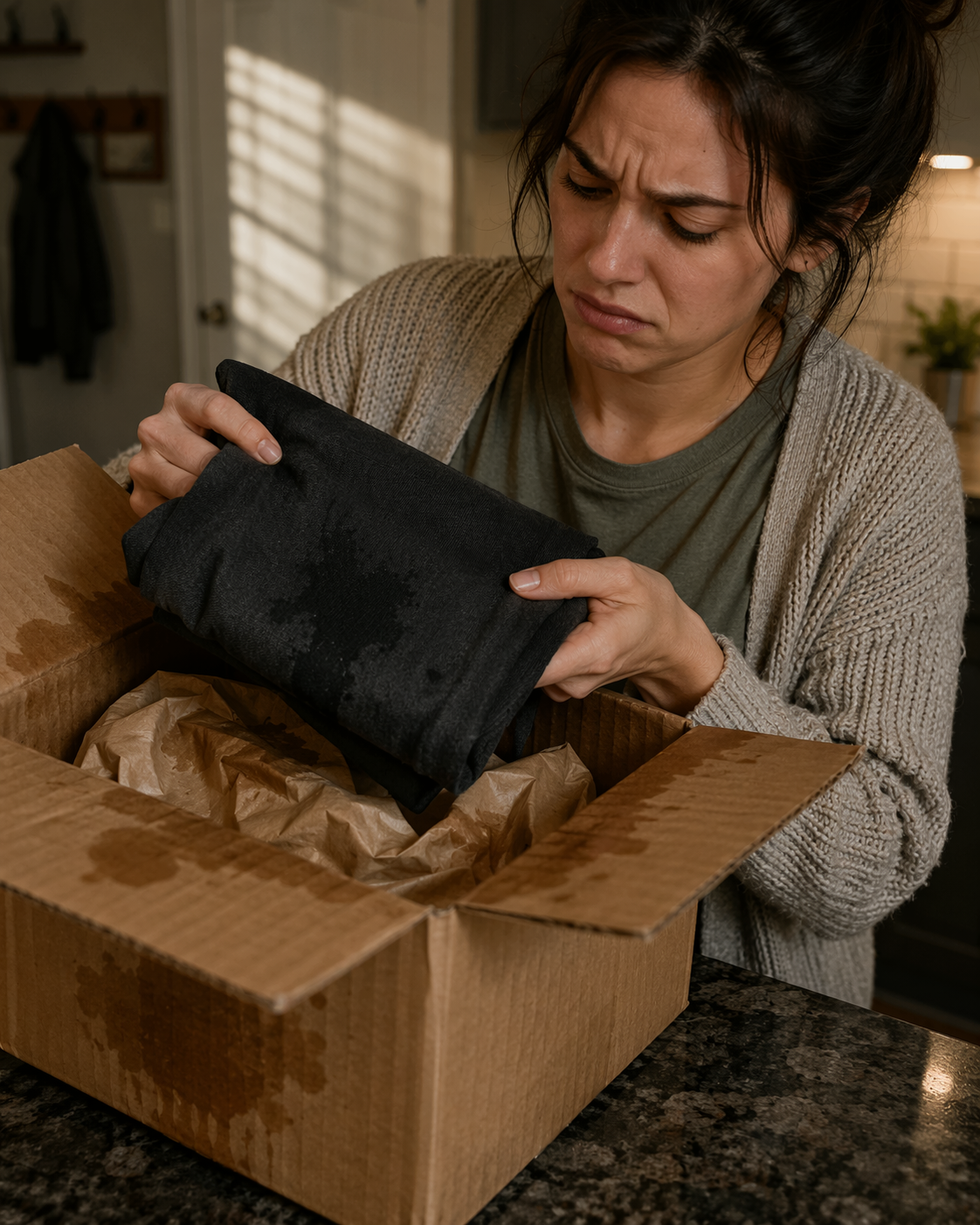
You ever open a package and the first thing you notice is the item feels damp, not soaked, but just enough to make you wonder what happened during shipping, especially when you know it didn’t leave that way.

That usually doesn’t come from a big spill or something obvious, it comes from small amounts of moisture getting in over time, and once it’s inside, it doesn’t take much to affect what you shipped.

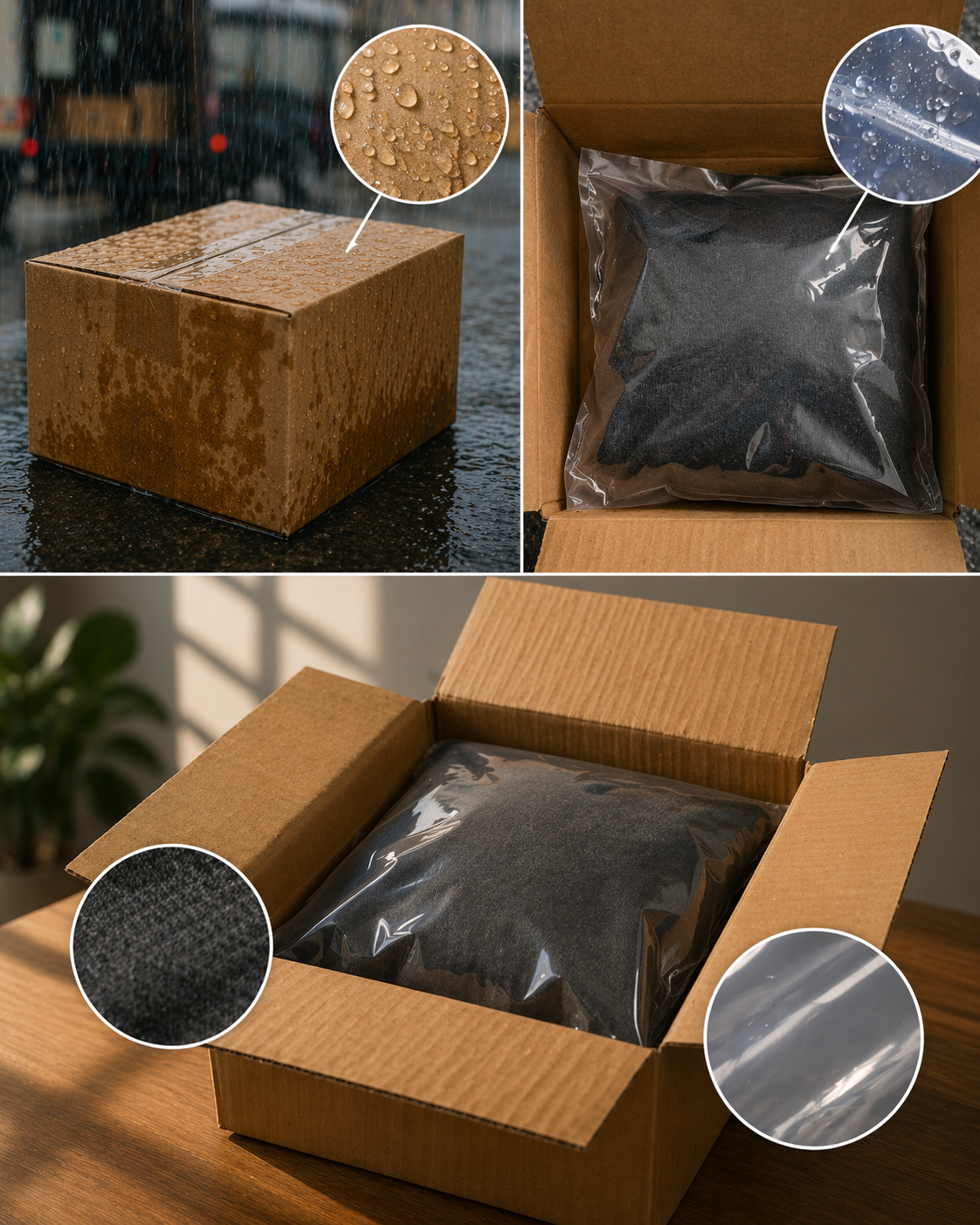
A lot of people assume a regular box is enough to keep things protected, but cardboard on its own isn’t built to block out moisture, especially if it’s exposed to humidity, light rain, or just changing temperatures during delivery.

That’s where poly bags start to matter more than people expect, because they create a layer that helps keep moisture away from the actual product instead of letting it slowly reach it.

If you’ve ever packed clothing, paper goods, or anything that can be affected by water, you’ve probably seen how quickly even a little moisture can change how it feels when it arrives.

Fabric can lose that dry, fresh feel, paper can soften or curl, and even products that seem durable can end up feeling less clean than they should.

The tricky part is that it doesn’t always show up right away, because sometimes the outside of the package looks fine, but inside is where the difference shows.

That’s usually when people start realizing the outer packaging wasn’t enough on its own.

Using poly bags inside a shipment helps separate the product from those outside conditions, so even if the box goes through humidity or a little moisture, what’s inside stays protected.

It’s a simple step, but it changes the outcome in a noticeable way, because instead of relying on one layer, you now have an extra level of protection doing its job.

Another thing people run into is thinking they only need that kind of protection in extreme conditions, but even normal shipping environments can create enough moisture over time to affect certain products.

That’s why this becomes more about consistency than reacting to problems after they happen, because once you’ve had a few items arrive less than perfect, it starts to make more sense to prevent it upfront.

Poly bags also help keep things clean during handling, since they act as a barrier between the product and everything it comes into contact with along the way.

That matters more than people think, especially when items are being moved through different environments before they reach the final destination.

Over time, this becomes one of those small additions that quietly improves how products arrive, because instead of dealing with occasional issues, you start seeing more consistency across shipments.

And when items show up dry, clean, and the way they were packed, it removes one more thing that could have gone wrong along the way.

The box wasn’t the problem

You sealed it tight, stacked it neatly, and sent it out thinking everything was good to go. Then it shows up crushed on one side, or the item inside is scratched, loose, or worse. It feels like the box failed, but most of the time, the box is not the real issue. The problem usually starts with how the packaging supplies were chosen and used.

Think about what happens after a package leaves your hands. It gets moved fast, set down hard, and stacked under other boxes. Now picture your product inside that space. Is it snug and supported, or is it sliding around every time the box shifts? That small detail is where most damage begins.

A lot of people grab whatever materials are nearby and hope for the best. Thin wrap, a box that is a little too big, or filler that does not stay in place can all lead to problems. It may look fine when you close it, but inside, things are already moving. When the package hits its first bump, that movement turns into damage.

The better way to think about packaging supplies is to imagine the trip before it happens. Picture placing your item in the center of the box, then gently shaking it. If you can feel it move, that is your first sign something needs to change. The goal is to make it feel like the item is held in place, almost like it is resting in a soft nest that keeps it steady.

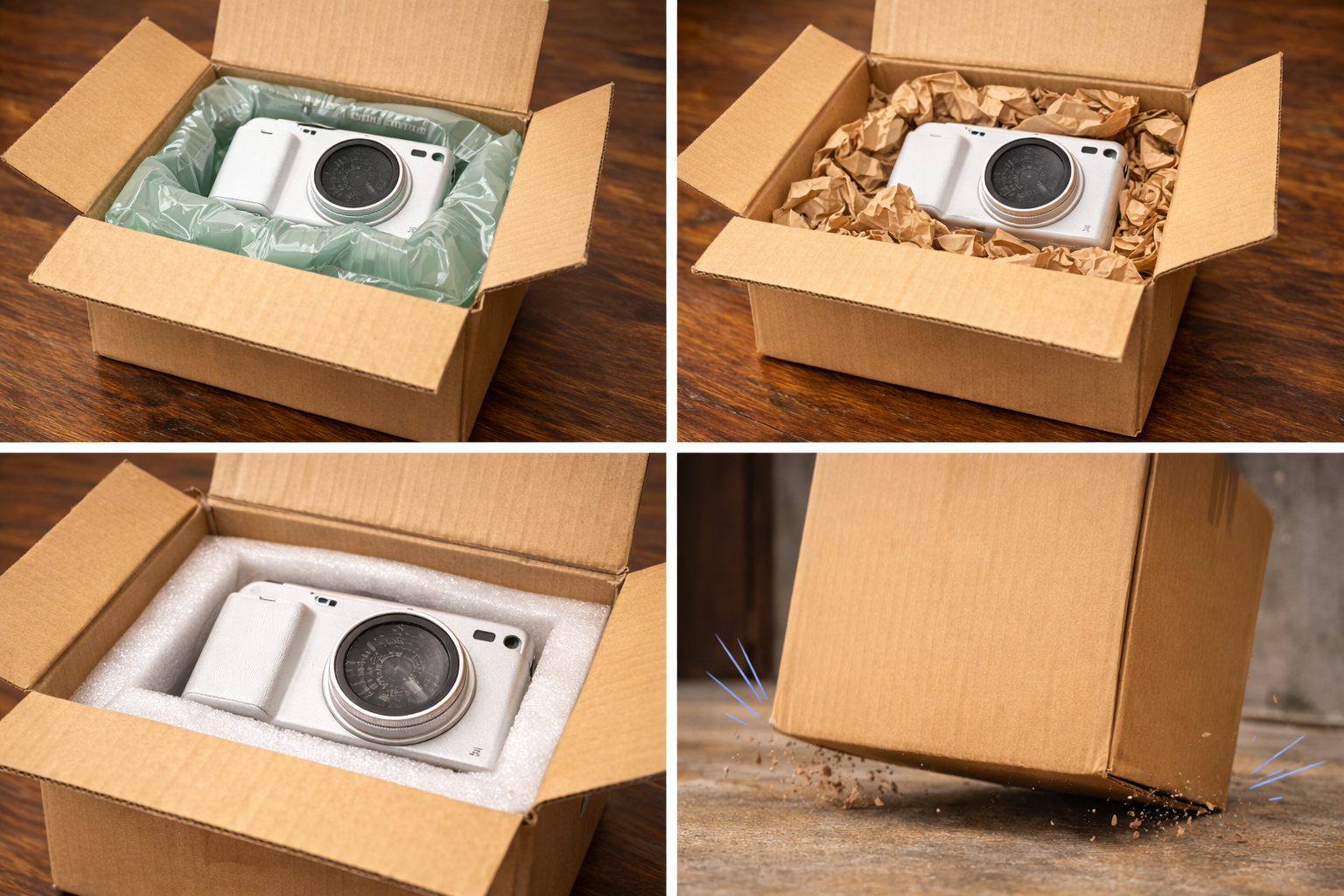
Good padding does more than fill space. It absorbs impact. When a box is set down hard, the force should be taken by the materials around the product, not the product itself. This is where things like air cushions, packing paper, or molded inserts make a real difference. You are not just filling gaps. You are creating a layer that takes the hit first.

Size matters more than most people think. A box that is too large leaves too much room for shifting. A box that is too tight can press against the item and cause stress points. The right size lets you add just enough protection while keeping everything in place. When it is done right, the item feels secure without being squeezed.

There is also a moment many people overlook. It happens right before the box is sealed. This is the last chance to check if everything feels right. Lift the box slightly and move it side to side. If it feels solid, you are on the right track. If you hear or feel movement, take a few seconds to fix it. That small step can prevent a return later.

Another part of packaging supplies that often gets ignored is the outer seal. Tape is not just there to close the box. It keeps the structure strong during the trip. A firm seal across the center and edges helps the box hold its shape when pressure is applied from the outside.

When you start thinking this way, packaging becomes less about materials and more about control. You are guiding how your product moves, or does not move, from the moment it leaves you to the moment it arrives.

In the end, people do not remember the box. They remember opening it and seeing everything arrive the way it should. Clean, safe, and ready to use. That experience builds trust, and it starts with choosing and using packaging supplies the right way.