Monthly Archives: November 2025

Sweet Success Starts with the Box

When it comes to candy, the taste sells the first bite—but the box sells the first look. Every caramel swirl, chocolate truffle, or gummy bear needs a home that says “pick me” before anyone even opens it. That’s where candy boxes earn their stripes. A sturdy, glossy candy box keeps every piece looking perfect, protects it from melting or cracking, and adds that irresistible sparkle that makes people feel like they’re opening a gift, not just a snack.
Think about it—how many times have you seen candies sitting in dull plastic tubs or half-crushed bags? It’s a sad sight that instantly cheapens the product. The difference between a flimsy wrapper and a real candy box is like the difference between a paper plate and fine China. Presentation changes the whole experience. It tells your customers you care about the details and that your sweets are worth savoring. Candy boxes make people pause, admire, and want to share. They create that little “wow” moment that every candy brand dreams of.

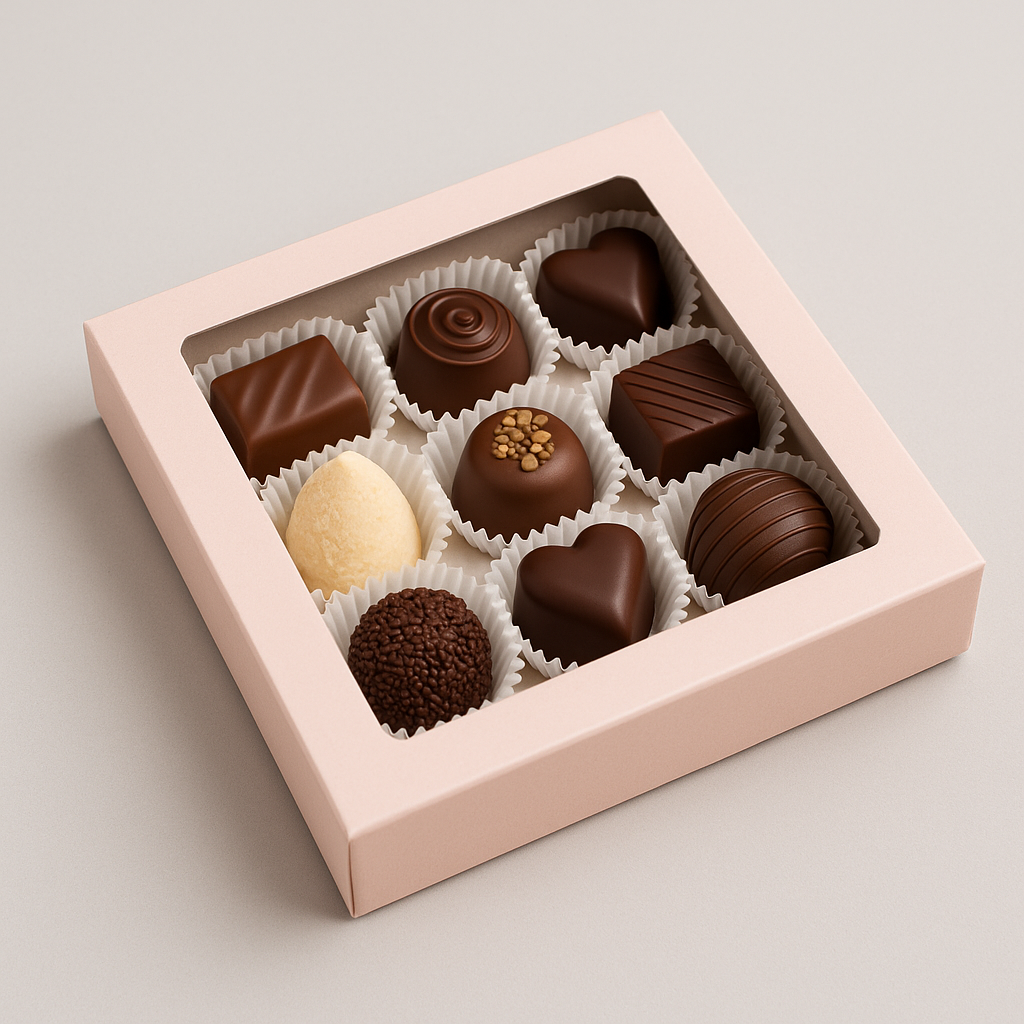
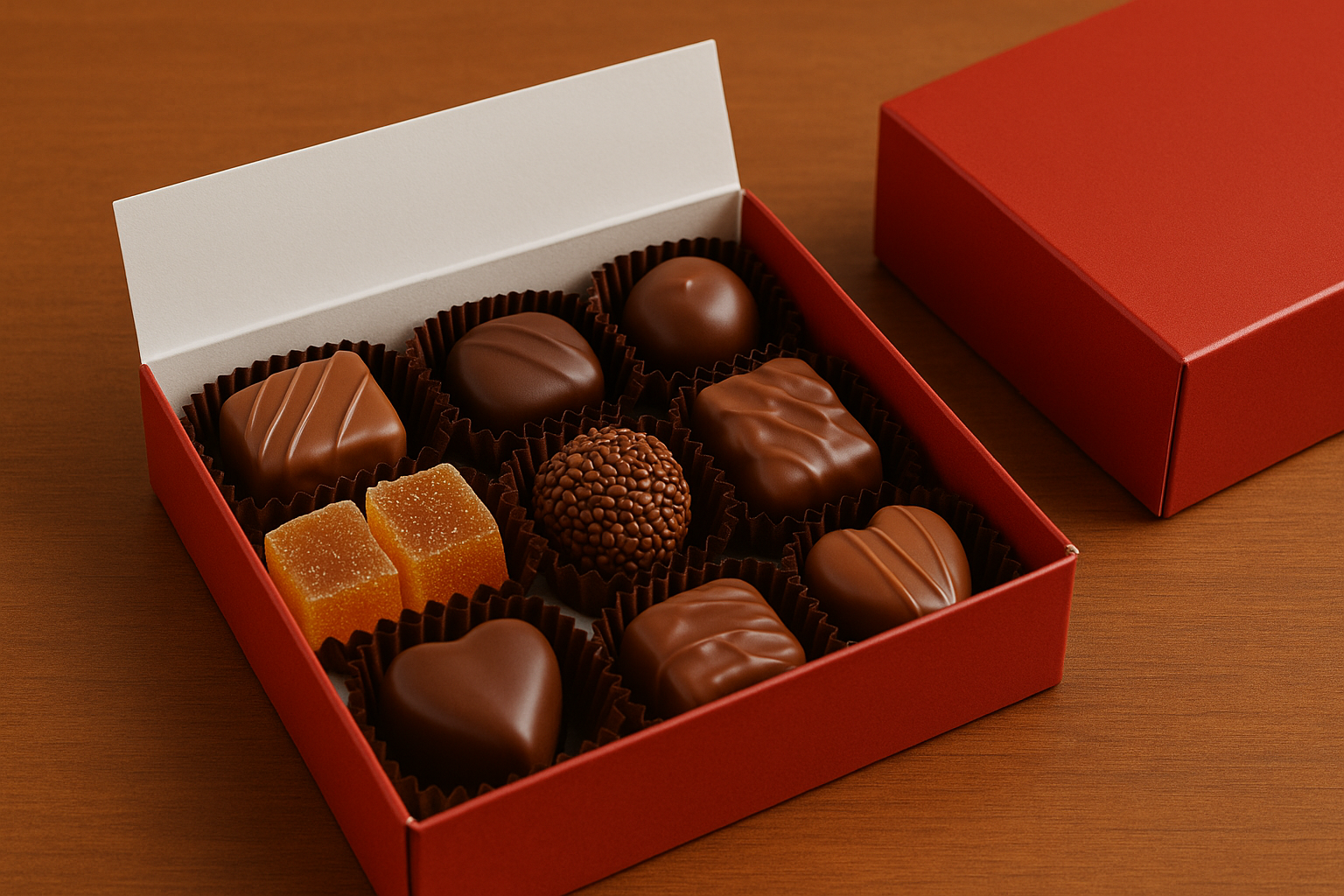
Candy boxes come in all shapes, colors, and finishes—from crystal-clear windows that show off what’s inside, to pastel tints that whisper “elegance” before the first taste. You can match the box style to the mood you’re selling: bold reds and golds for holidays, soft pinks for weddings, or clean white gloss for everyday retail. Whether you’re selling handmade fudge, wedding favors, or premium chocolate assortments, the box becomes part of the flavor story. The right packaging can lift a simple candy into a premium treat, ready for boutique shelves, farmers markets, or direct-to-consumer orders.
Smart candy makers know their packaging is silent marketing. A well-chosen box doesn’t just hold your product—it helps sell it. Embossed lids, ribbon ties, or custom inserts transform your candy into an experience worth gifting. For small businesses, that extra touch can turn first-time buyers into repeat customers. For larger brands, it’s about consistency—knowing each box looks just as beautiful on arrival as when it left the packing table. In an age where every purchase can become a photo on social media, packaging is your 24/7 salesperson.

Candy boxes also make your workflow smoother. Pre-scored designs fold fast, stack clean, and ship without fuss. That saves time, keeps your product safe, and protects your bottom line. They’re light enough to cut down on shipping costs, yet durable enough to prevent damage during transit. In the world of online candy sales, that reliability matters more than ever. Customers don’t remember the logistics—they remember opening something perfect.
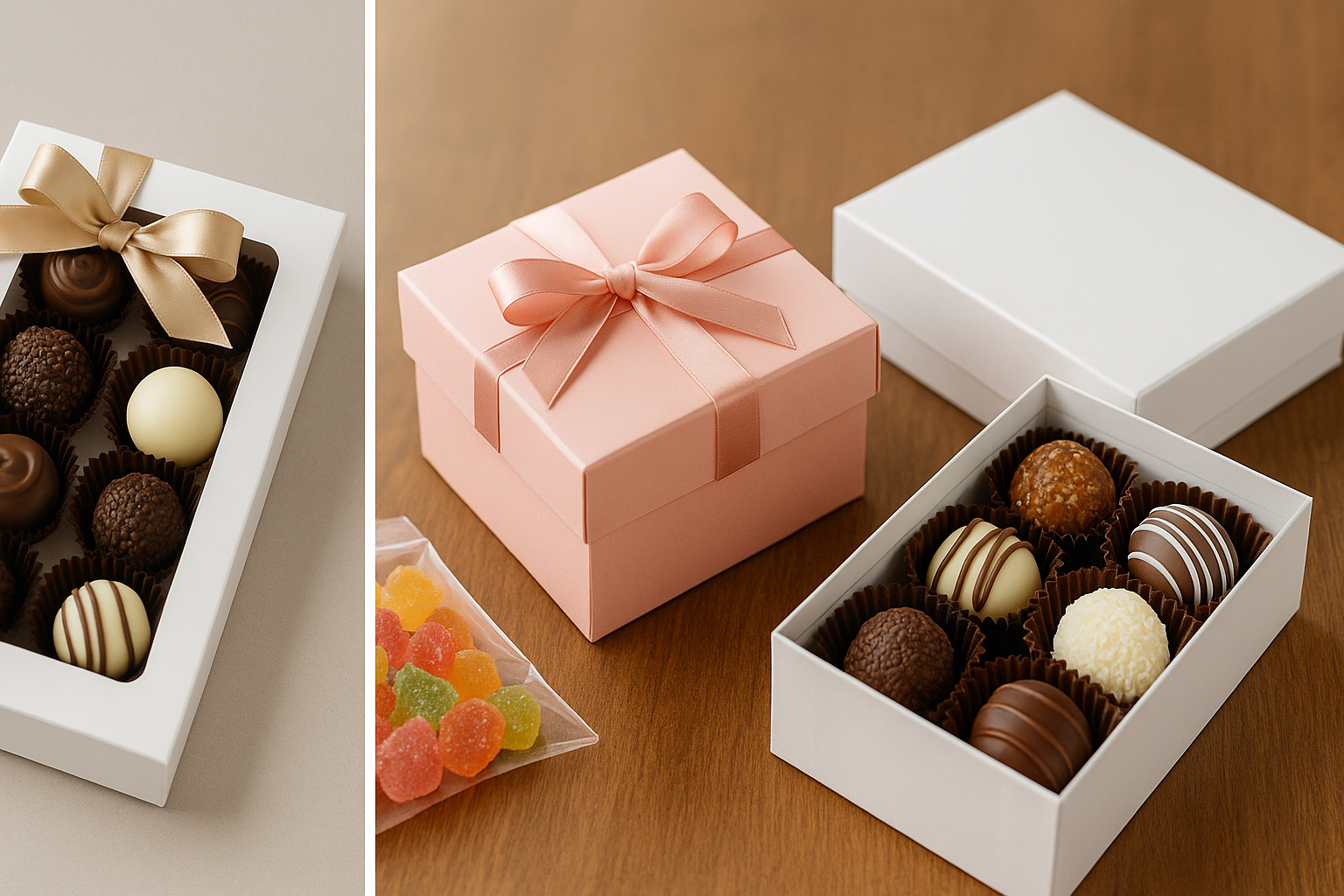
At the end of the day, candy boxes do more than protect—they perform. They build your brand, elevate your presentation, and make your product look as good as it tastes. And that’s a recipe for sweet success, one box at a time.
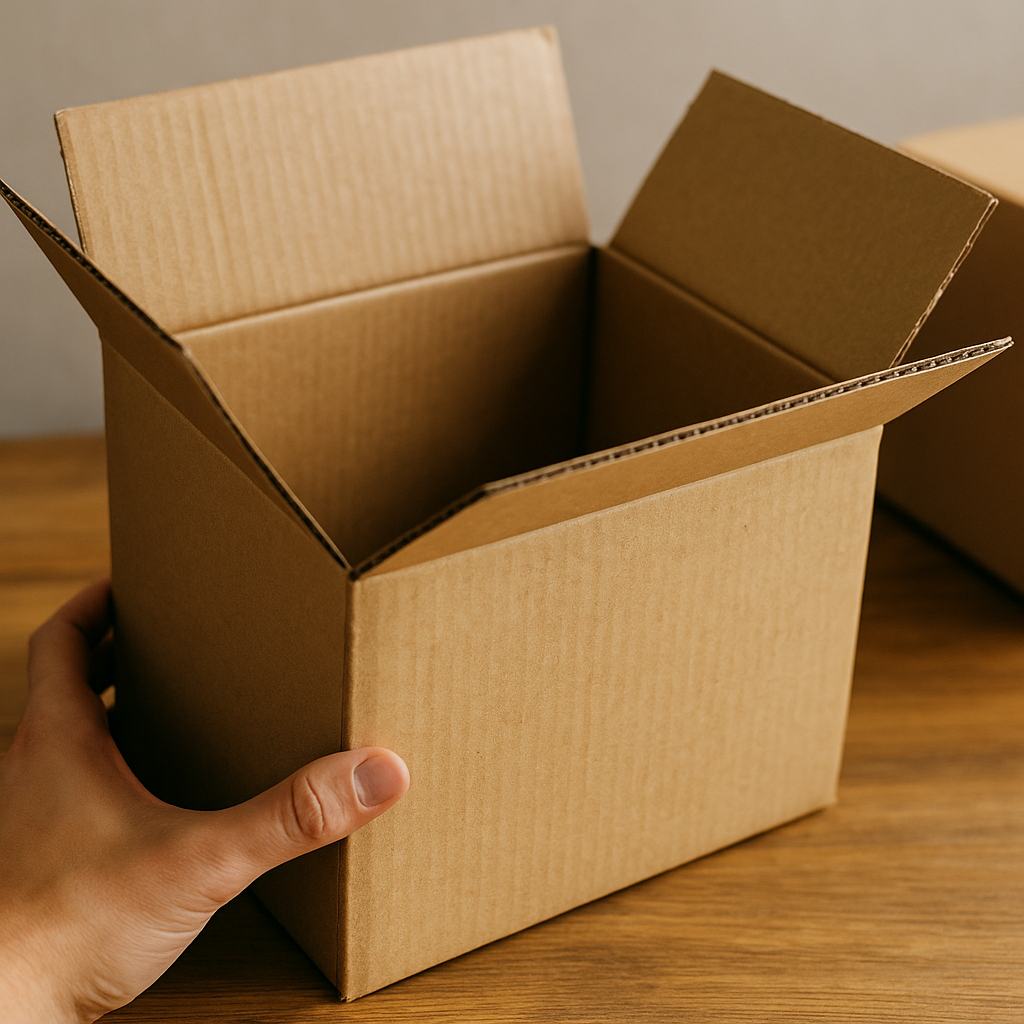
What’s Inside the Box Isn’t Enough

Most companies pour all their energy into what’s inside the box—great products, strong branding, careful customer service. But the truth is, what surrounds that product matters just as much. The box itself is part of the experience. It’s the first thing customers see, the first thing they touch, and often the first judgment they make. A good box can make a product feel premium before it’s even opened. A bad one can make the best product in the world look cheap.

Shipping boxes aren’t just containers—they’re ambassadors of your brand. When a customer receives a box that’s sturdy, clean, and well-sealed, they feel a level of professionalism and trust. When they get one that’s crushed, uneven, or patched with mismatched tape, they feel something else entirely: disappointment. And disappointment travels fast. Every review, every word-of-mouth referral, every social media post that follows depends on whether your box did its job or not.

What most people don’t realize is that every box has two jobs. The obvious one is protection—keeping products safe from bumps, drops, and bad weather. But the second job is presentation. The moment your box lands on someone’s porch, it’s silently saying something about who you are. Do you look like a company that values quality, consistency, and care? Or like one that cut corners to save a few cents? The difference between those messages often comes down to the quality of the shipping box itself.

And here’s the kicker: better boxes don’t always cost more. They often save money. A properly sized box reduces the amount of void fill you need, cuts down on shipping weight, and minimizes damages. Heavy-duty corrugated boxes can stack better, resist crush damage, and survive multiple handling points. Over time, that means fewer returns, fewer replacement shipments, and a smoother workflow. It’s not about buying more boxes—it’s about buying smarter boxes.

Efficiency thrives when your boxes are standardized. Having a few consistent sizes that fit your most common products speeds up packing, reduces clutter, and makes reordering easier. Employees don’t have to think—they just grab and go. A streamlined system keeps the backroom calm and predictable, which means orders get out faster and with fewer mistakes. Every business owner knows chaos costs money; organized packaging saves it.

Customers notice more than you think. When they slice open a well-built box and find their item safe and secure, it builds confidence in your business. They may not mention it, but they remember it. The box becomes part of your brand’s identity—an unspoken promise of reliability. That kind of quiet, consistent impression compounds over time. It’s what keeps customers coming back long after the first sale.

At the end of the day, shipping boxes aren’t just a tool of transport—they’re a symbol of how you operate. They show your attention to detail, your pride in presentation, and your respect for the customer experience. Every box that leaves your warehouse carries your reputation with it. When that box arrives looking strong, clean, and dependable, it tells the world your company is too.

So yes, what’s inside matters—but what’s around it might matter even more.

How to Choose the Correct Shipping Box for Products 

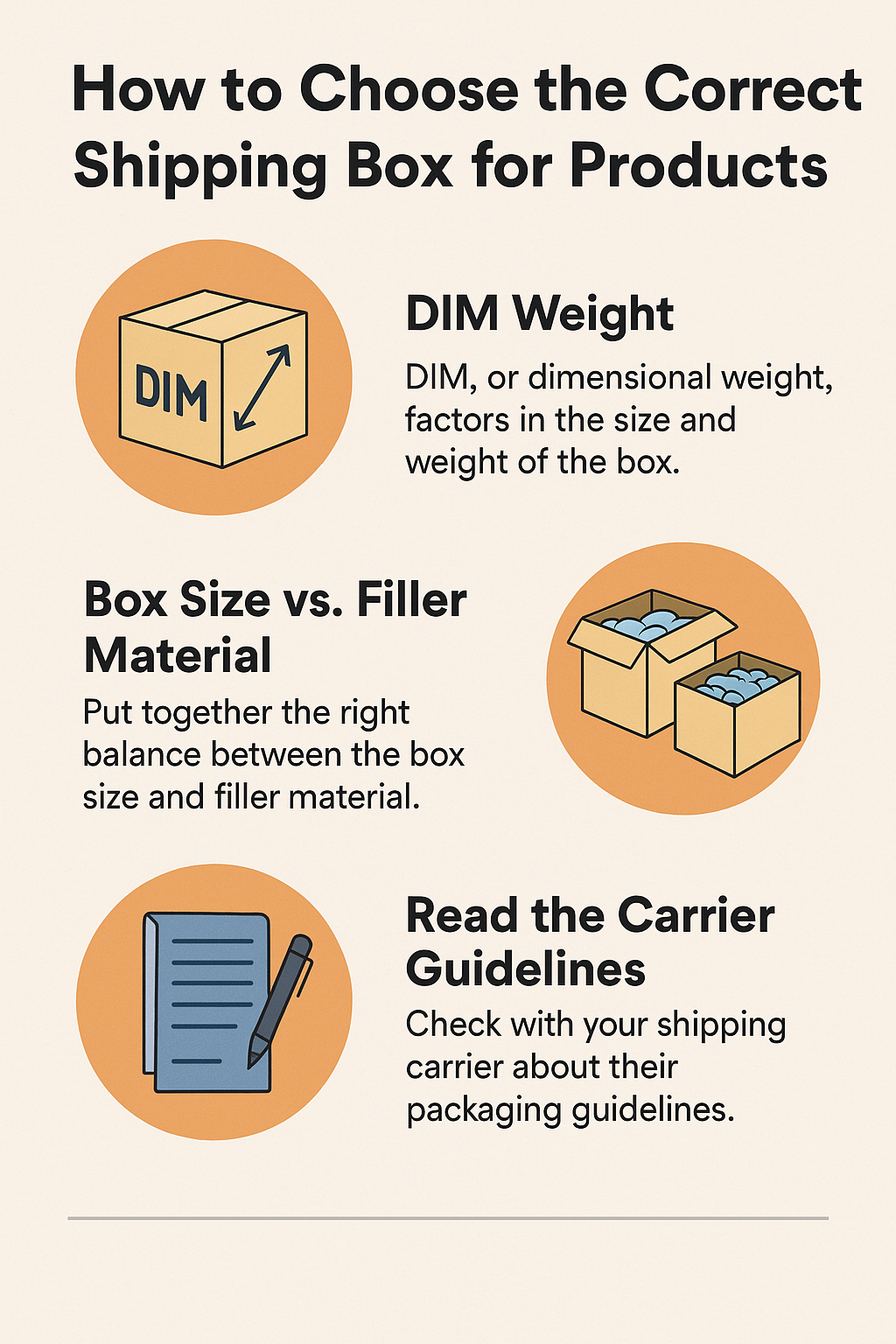
Choosing the right shipping box is a precarious balance between your item, and the current DIM pricing, which can be a bit of a challenge. 

DIM, or dimensional weight, is a specific type of packaging weighing system couriers use.   This is the weight and pricing of an item, and is pitted against the actual weight of the item. 

Why Dimensional Pricing is Used 

A lot of times, dimensional weight is used to help curb wasteful shipping. With dimensional weight, the overall dimension of the package and product is something that’s factored. When the box is huge but the item weighs less, it eats up packaging costs, in comparison to just putting together the right type of box for the item. 

Some people use the wrong box size and eat the dimensional weight costs because they are afraid of it getting wrecked, and this is an alternative to potentially breaking or damaging the item. But, while it seems like a good idea at the time, it ends up being wasteful because of how expensive it tends to be. 

To calculate this, you multiply the dimensions of the box and then divide it by the carrier weight divisor, which means that you’re able to put together a product or packaging that’s specific for the carrier’s needs. 

The type of packaging and excess void fill plays a role in this, which is why you need to play a game of precarious weight balance if you plan on doing this. 

The Balance Between Box Size and Filler Material 

You want to put together the right balance between the size of the box, and the filler material. 

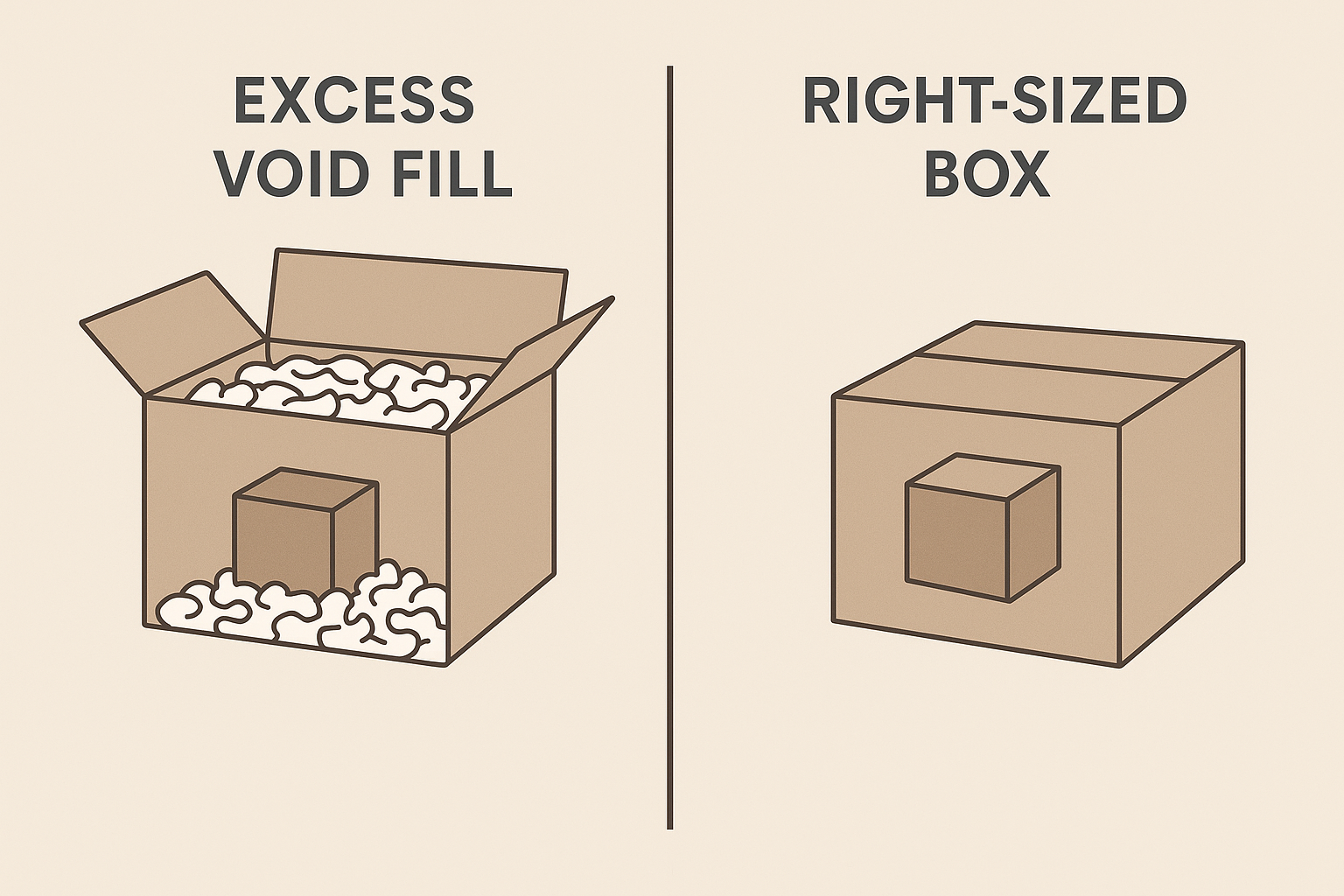
If you’re using a huge box to add in excess void fill, it’s going to rack up heavy costs when you get to the post office. On the flip side, a small box with no padding whatsoever might save you in terms of dimensional weight, but it also poses the risk of it getting destroyed the second it gets to the customer’s home, or even on the way. Even if you throw fragile things there, there’s no guarantee it won’t be ruined. 

Putting together the appropriate box size and filler material is important. Using some filler material that fits the box, rather than just crowding a box, is good. Air pillows are a good idea, but they tend to cost a lot more, since you need a larger box. Foam, packing peanuts, or corrugated dividers all work great to help with the right material balance. 

As a rule of thumb, there should be about an inch between the item and void space, perhaps less, so be mindful when choosing boxes. 

Read the Carrier Guidelines 

As always, you should consult the carrier guidelines, especially when choosing oversized packaging. Most of the time, the carrier will have some input in place to help with this type of packaging. 

If your item cannot fit the carrier guidelines, it might be charged as oversized.   This ends up eating major costs for you, so it might not be the right decision or idea.

If you’re in doubt, talk to the carrier directly by going out and speaking to them, and from there, find out more about how to optimize this effectively.   You’d be surprised at the difference this ends up making, and the result of such efforts it might have on you, so be mindful of this, and try to as well improve the packaging that you have, in order to ensure that you have the ideal packaging experience that you can have.

Why Grandma’s Candy Box Beat Every Fancy Store Display

There was a time when candy came wrapped in simplicity, not sparkle. Grandma’s candy box wasn’t polished with gloss or printed in ten colors—it was a small paper box, maybe tied with twine, and filled with sweetness that told a story before anyone even took a bite. That little box wasn’t just packaging; it was part of the experience. 

It said “someone cared enough to make this,” and that message reached deeper than any neon label on a store shelf. In today’s world of loud marketing, candy boxes still hold the quiet power of connection. You can almost smell the cocoa before you even lift the lid. A well-crafted candy box makes candy taste better, because it makes people feel better. It’s not just a container; it’s a signal that what’s inside matters. 

The truth is, the candy box is your handshake before the flavor ever speaks. A great box whispers to your customer before they even touch the chocolate. The moment they see clean folds, rich color, or a soft satin ribbon, they begin tasting with their eyes. 

That’s the magic of packaging—it turns something sweet into something special. People buy candy for emotion as much as for flavor. A fancy confection in a dull box feels hollow, but a simple chocolate wrapped in charm feels like love. 

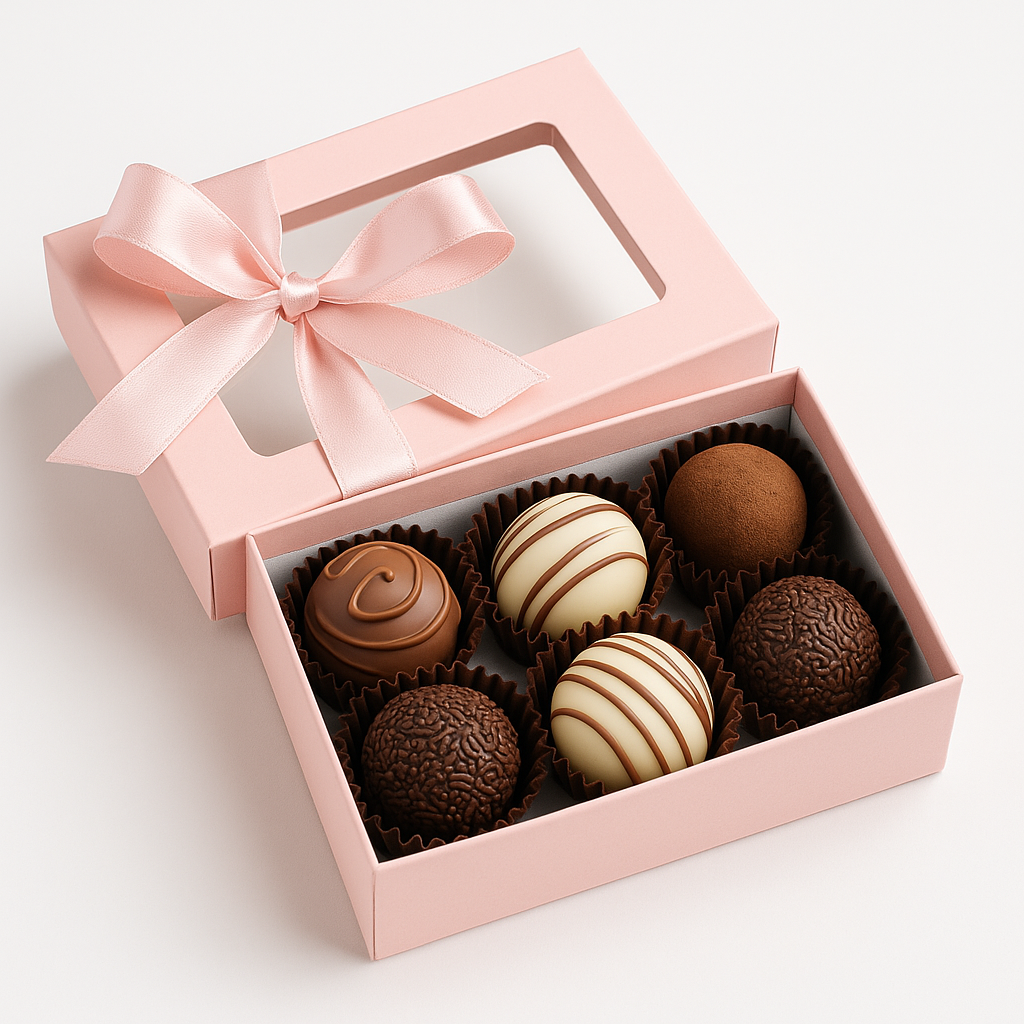
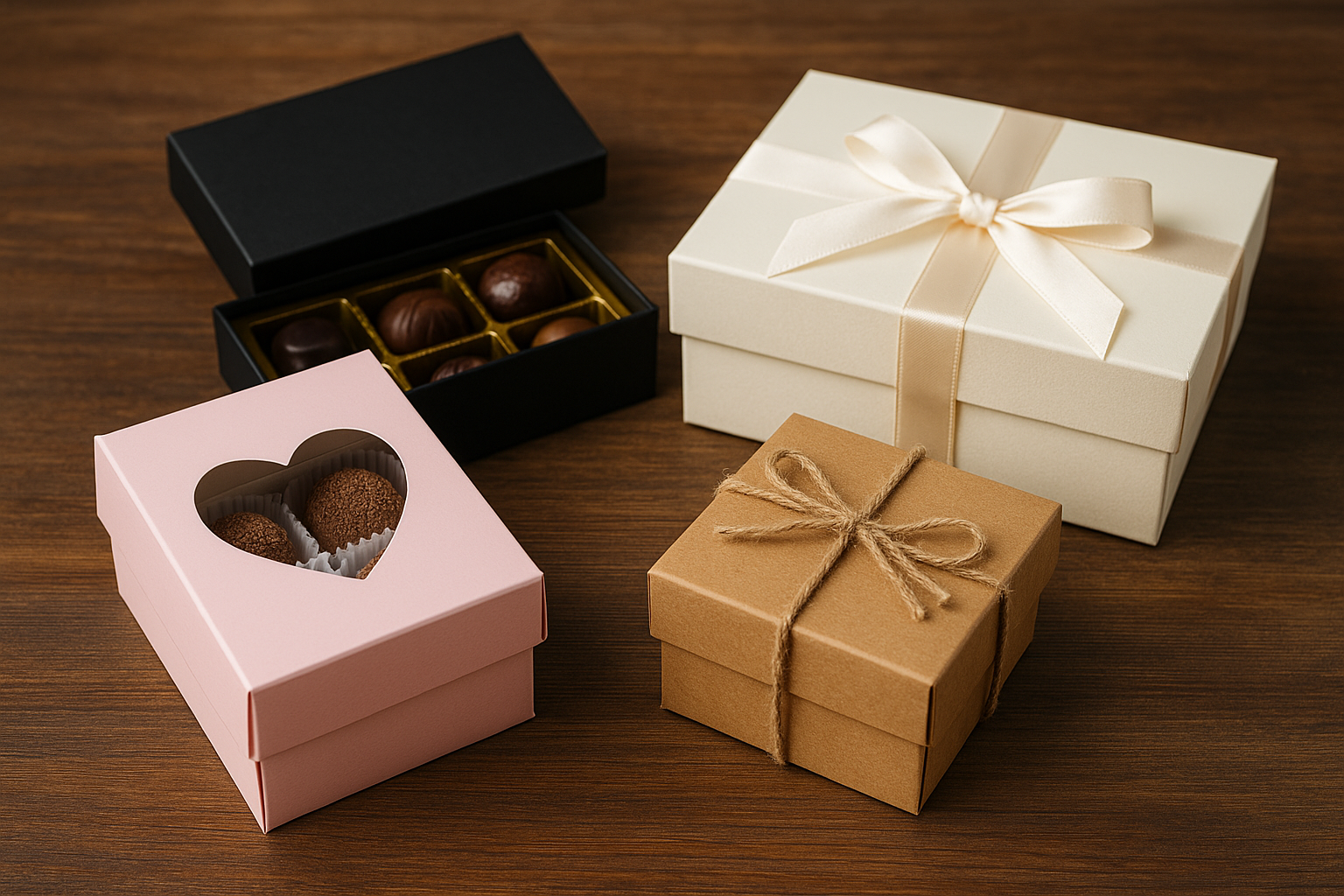
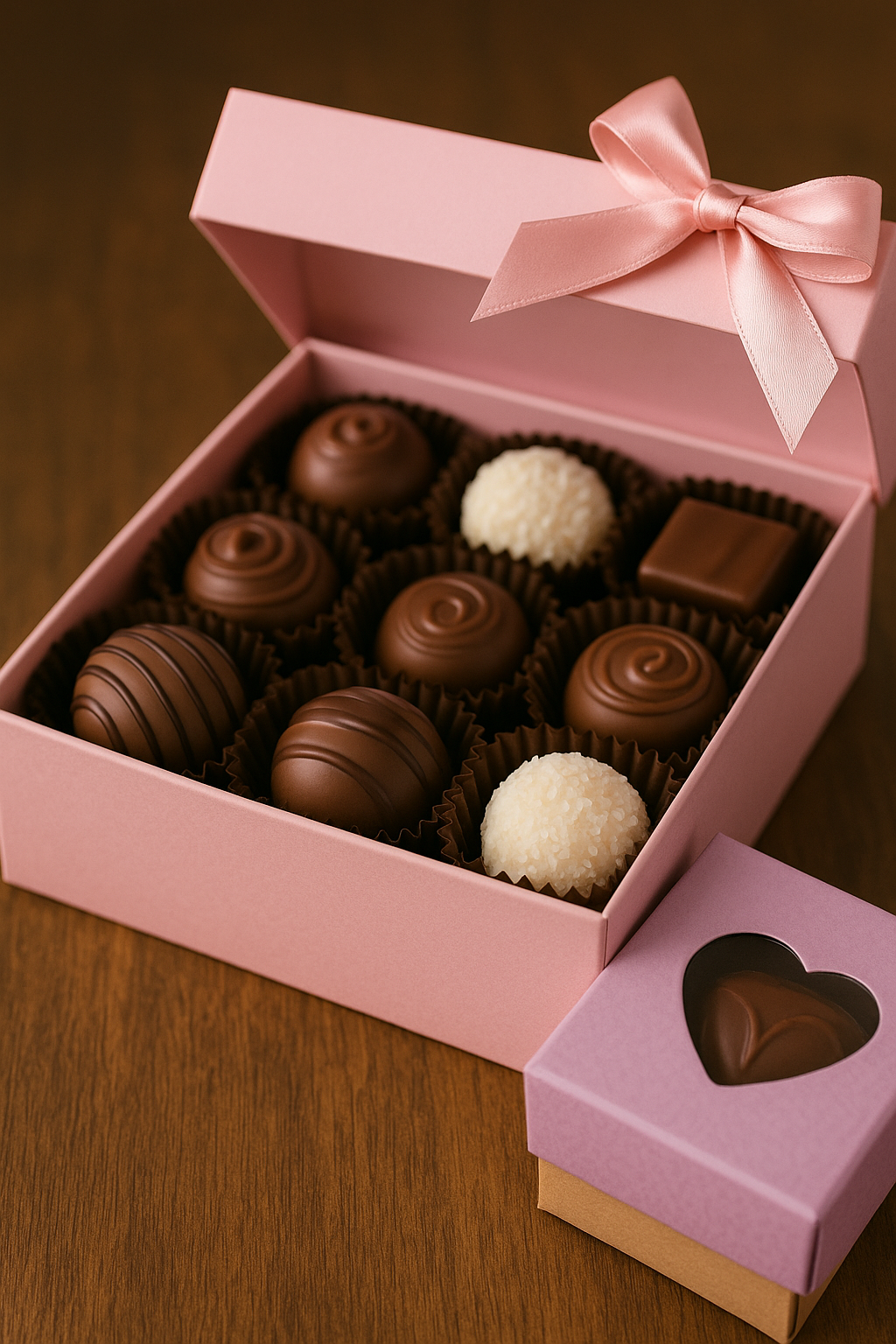
For small candy makers, that’s where opportunity lives. You don’t need the budget of a global brand; you just need packaging that speaks heart over hype. Choose boxes that tell your story. A pastel pink box with a peek-through window feels nostalgic and delicate—perfect for handmade truffles or wedding favors. 

A bold black-and-gold rigid box feels confident, giftable, and premium. Even a simple kraft paper candy box says “authentic,” and authenticity sells faster than any discount ever could. Candy boxes are memory-makers disguised as cardboard. 

When your customer unties the ribbon or hears that soft pop of the lid, their mind floods with the same warmth they felt when Grandma handed them her homemade fudge. It’s not nostalgia—it’s trust, rebuilt through design. 

Good packaging doesn’t just hold candy; it holds a moment people want to feel again. In a world that scrolls past everything, that’s priceless. Grandma didn’t have brand strategy meetings or market research. 

She had care, consistency, and a candy box that spoke for her. That’s what every modern candy business should remember: no matter how far the industry goes, people still crave that touch of human warmth. The right candy box can deliver it before a single bite is taken—and that’s the sweetest marketing of all.