Monthly Archives: February 2026

When Packaging Breaks Trust

Every business ships something. But not every business realizes how much packaging supplies affect trust.

When a customer opens a box, they make a decision almost instantly. The box feels either strong or weak. The tape either holds or peels. The contents are either secure or sliding around. Before they even touch the product, the packaging has already sent a message.

Poor packaging creates doubt. A crushed box or loose fill makes customers wonder if shortcuts were taken. They may question the quality of the product, even if the item itself is fine. Once that doubt forms, it’s hard to undo.
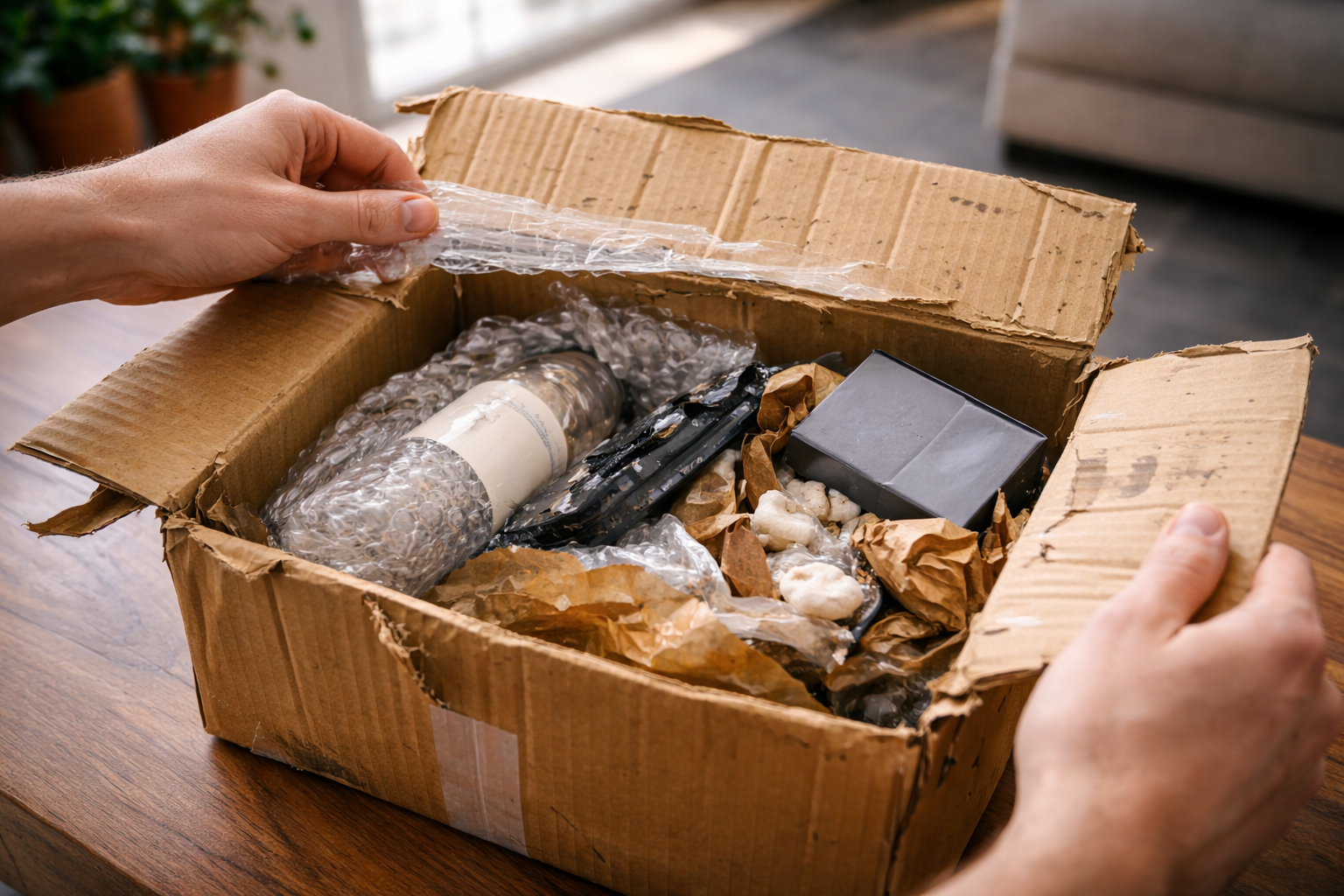
Good packaging supplies quietly build confidence. A sturdy box holds its shape. Proper cushioning keeps items from shifting. Tape seals the package cleanly and stays sealed through shipping. Nothing looks rushed or careless. The customer feels like the shipment was handled with intention.

Many businesses treat packaging as an afterthought. They focus on price and speed, choosing whatever materials seem cheapest at the moment. But packaging is part of the customer experience. It is the first physical interaction someone has with your brand. If that experience feels sloppy, it reflects poorly on everything else you do.

Weak boxes collapse under weight. Thin mailers tear at the seams. Low-quality tape lifts during transit. When something arrives damaged, customers rarely blame the carrier. They blame the seller for not packaging the order properly.

Reliable packaging supplies protect more than products. They protect your reputation. A strong box keeps edges sharp and corners intact. Quality fill prevents movement that leads to cracks or scratches. Proper tape keeps moisture, dirt, and tampering at bay.

Good supplies also save time and money behind the scenes. Boxes that fold easily speed up packing. Tape that sticks the first time reduces waste. Labels that stay in place prevent delivery errors. Fewer damaged shipments mean fewer returns, refunds, and customer service issues.

Returns are expensive. They cost shipping, labor, and inventory. Many returns begin with packaging problems that could have been avoided. A crushed carton, a torn mailer, or an open box turns a routine shipment into a costly fix.
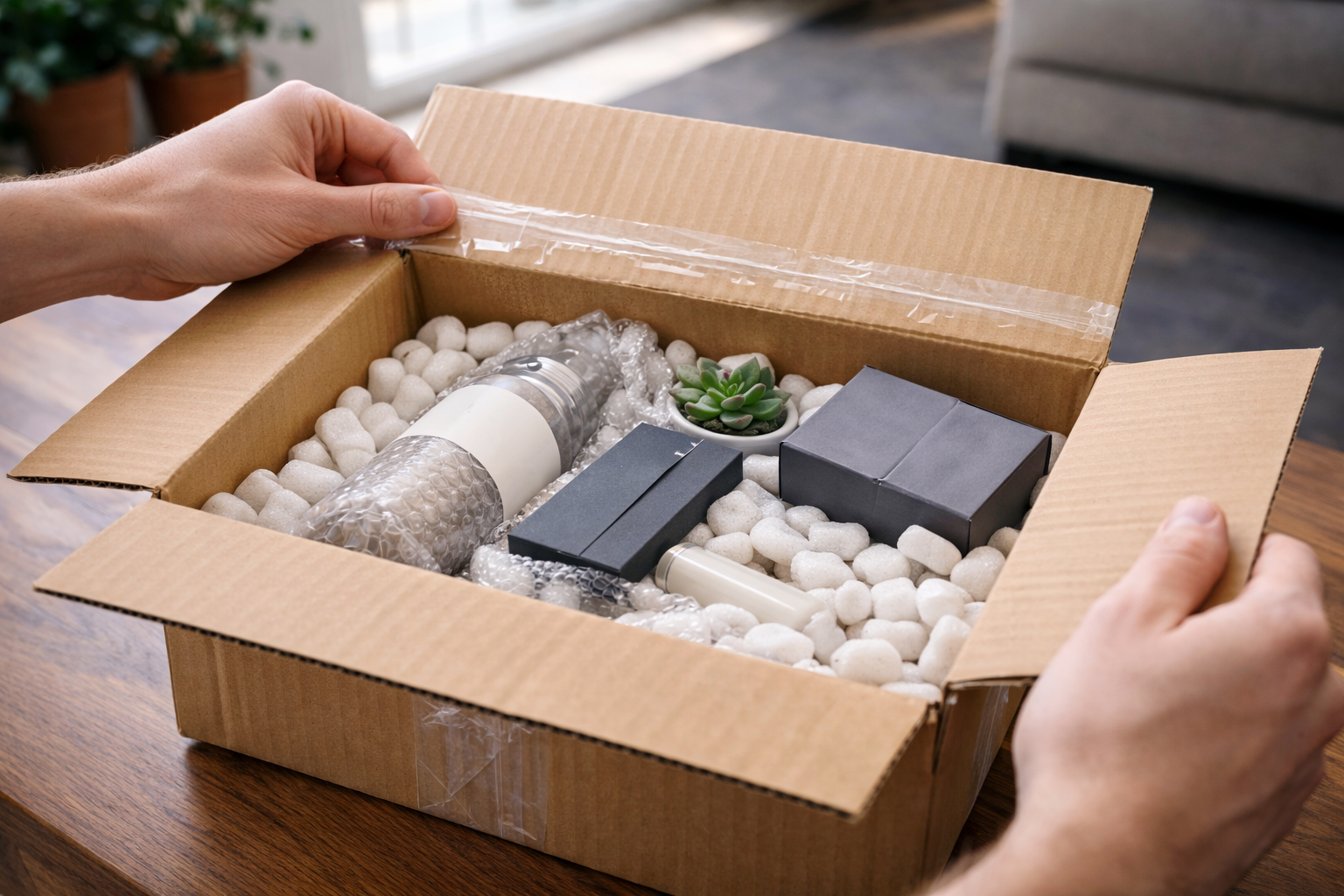
Customers may not mention good packaging when things go right, but they always notice when things go wrong. In ecommerce, silence often means satisfaction. Complaints almost always start with damage or presentation issues tied to packaging.

Packaging supplies are not about being flashy or fancy. They are about reliability. They ensure products arrive the way they left the warehouse. They show customers that care was taken from start to finish.

Strong packaging sends a simple message. It says the business pays attention. It says details matter. It says the customer’s order was worth protecting.

That message builds trust over time. And trust is what keeps customers coming back, shipment after shipment.

Boxes Fail Before Shipping

Most people think cardboard boxes fail during shipping. In reality, many boxes fail long before that. They fail at the moment they are chosen. A box that is too thin, too large, or poorly matched to its job creates problems that no amount of tape can fix. When things arrive damaged, crushed, or awkward to open, the root cause is often the box itself, not the delivery.

One of the most common questions is how to know which cardboard box is strong enough. Strength is not just about thickness. It is about fit and structure. A box that closely matches the size of what goes inside spreads pressure evenly. A box with too much empty space allows items to shift and slam into the walls. That movement weakens the box over time. When the fit is right, the box works with the contents instead of against them.

Another frequent question is why boxes collapse when stacked. This usually happens when boxes are underfilled or unevenly filled. Cardboard is strongest when its walls are supported from the inside. When there are gaps, the box bears weight alone. Over time, that weight causes bending and buckling. Proper packing supports the box from within, helping it hold its shape even when stacked with others.

People also ask why some boxes are hard to close cleanly. Flaps that fight each other or lids that will not sit flat are signs of mismatch. When a box is overloaded or the wrong style is used, closure becomes stressful. A clean close matters because it protects the contents and makes handling easier. Boxes that close smoothly are less likely to be reopened, crushed, or mishandled during transit.

There is also confusion around tape use. Many assume more tape equals more safety. In practice, tape is a helper, not a fix. Tape holds flaps together, but it does not strengthen weak walls or poor sizing. When boxes are chosen correctly, tape simply seals the system. When boxes are chosen poorly, tape becomes a desperate patch that rarely holds up.

Another common concern is cost. People want to know how to save money on cardboard boxes without increasing damage. The answer is often counterintuitive. Using the right size box reduces the need for filler and extra tape. It also reduces returns caused by damage. Fewer problems mean fewer replacements and less time spent fixing mistakes. Over time, the right box often costs less than the cheap one that fails.

Cardboard boxes also play a role in organization and workflow. Boxes that are easy to label, stack, and move save time. When boxes are consistent in shape and strength, they behave predictably. Workers do not have to guess how to handle them. Predictability reduces errors and stress. That benefit shows up quietly but consistently.

Many people now ask about cardboard boxes and environmental impact. Choosing boxes that fit well reduces waste. Smaller boxes use less material and require less filler. Cardboard is widely recyclable, and boxes that are not overloaded are more likely to be reused. Thoughtful box selection supports both efficiency and responsibility without requiring complex changes.

To choose the right cardboard box, start by thinking backward. Picture how the box will be lifted, stacked, carried, and opened. Picture what happens if it tips or gets set down hard. When the box supports those moments without strain, it is doing its job. Boxes do not fail randomly. They fail when they are asked to do something they were never chosen to do.

Boxes Decide First Impressions

Most customers meet your business through a box. Before they touch the product, before they read instructions, before they decide how they feel, they see the shipping box. That first moment sets the tone. If the box looks crushed, thin, or sloppy, confidence drops fast. If it feels solid and clean, trust starts to form right away.

Shipping boxes do more than hold items. They manage expectations. A box that arrives firm and intact tells the customer someone cared. A box that looks stressed or patched together sends the opposite message, even if the product inside survives.

One of the biggest mistakes businesses make is choosing boxes based only on size. Fit matters, but strength matters just as much. A box should support the weight it carries without bowing or softening. When you lift it, it should feel balanced, not strained. That balance protects the product and makes handling safer throughout the journey.

Stacking pressure is another challenge shipping boxes face. Packages rarely travel alone. They sit under other boxes in trucks and warehouses. Weak boxes collapse slowly, often without obvious damage until the end. Strong boxes hold their shape, keeping weight distributed and corners sharp.

Inside the box, space control is critical. Too much room invites movement. Too little room creates pressure. The right shipping box allows protection to do its job without forcing the product into place. When everything fits naturally, damage becomes far less likely.

Weather also plays a role. Boxes encounter humidity, cold, heat, and sudden changes between them. A box that absorbs moisture can soften and lose strength. Shipping boxes designed to resist these conditions protect not just the product, but the entire package structure.

Efficiency inside the operation depends on boxes too. Boxes that fold cleanly and stay square save time. Workers move faster when boxes behave the same way every time. That consistency reduces errors and keeps orders flowing, especially during busy periods.

Customers notice box quality even if they never talk about it. They feel it when opening the package. Flaps line up. Tape seals smoothly. Nothing spills out unexpectedly. That calm experience makes the product feel more valuable and the business feel dependable.

There is also a cost side many overlook. Cheap boxes often cost more in the long run. Replacements, returns, and damaged goods eat into savings quickly. Investing in shipping boxes that perform well reduces those hidden losses and protects margins quietly.

Another benefit is brand confidence. Businesses that ship reliably gain a reputation for professionalism. Customers trust future orders because past deliveries arrived without issues. That trust encourages repeat business without needing extra persuasion.

Shipping boxes also support responsibility. Fewer damaged shipments mean fewer resends. Fewer resends mean less material used and less fuel burned. Choosing boxes that protect well helps reduce waste while keeping operations efficient.

In the end, shipping boxes decide how an order feels before it is even opened. They protect products, support speed, and shape customer perception all at once. When chosen with care, they do their job silently and well. And when customers receive a box that looks exactly as it should, the experience starts on the right foot every time.

Nothing Ever Fits Right

It usually starts the same way. You’re packing something that matters, and the box is either too big, too small, or just plain flimsy. The item slides around. You add more filler. Tape gets wrapped again and again. By the time you’re done, it feels sloppy, even if the product inside is great. Most people think the problem is the item. It’s not. The real problem is using the wrong cardboard box.

Cardboard boxes are supposed to make packing easier, not harder. But when people grab whatever box is nearby, they end up fighting the process instead of finishing it. That frustration adds time, stress, and sometimes damage. Anyone who has opened a box to find a cracked corner or crushed edge knows that feeling. It’s not just annoying. It’s costly.

The right cardboard box changes how packing feels. Instead of forcing something to fit, the box works with you. The item drops in cleanly. The sides hold firm. When you close the flaps, everything feels stable. That moment matters because it builds confidence. You stop worrying about what might happen during shipping or storage and start trusting that the box will do its job.

A big mistake people make is thinking all cardboard boxes are the same. They aren’t. Thickness, strength, and size all affect how well a box performs. A box that feels light in your hands might buckle once weight is added. A box that’s too large lets items shift, even with padding. When things move inside a box, corners take hits and seams get stressed. That’s when damage happens.

Good cardboard boxes help prevent that by holding items snugly. When there’s less empty space, there’s less movement. That means fewer dents, fewer returns, and fewer apologies. It also means less filler material, which saves money and reduces waste. Using less packing paper or plastic isn’t just convenient. It’s better for cleanup and easier on the environment.

Storage is another place where cardboard boxes quietly prove their value. A well-made box stacks cleanly. It doesn’t bow in the middle or collapse under weight. When boxes line up evenly, shelves look organized, and items are easier to find. That matters whether you’re running a business, moving homes, or just trying to keep a garage from turning into chaos.

There’s also something psychological about a solid box. When something arrives in good condition, people trust the sender more. It feels like care was taken. That feeling sticks. On the flip side, a damaged box sends the opposite message before it’s even opened. Even if the product survives, the experience feels shaky. First impressions matter, and cardboard boxes are often the first thing people see.

Cardboard boxes also make everyday tasks smoother. Packing donations becomes faster. Moving rooms feels less overwhelming. Shipping orders turns into a repeatable routine instead of a guessing game. When boxes are consistent, you don’t have to rethink the process every time. You know how much fits. You know how they stack. You know what tape works best.

People don’t think about cardboard boxes until something goes wrong. But once they use the right ones, it’s hard to go back. Packing feels calmer. Items feel protected. The whole process feels more under control. That’s the real benefit. Not the box itself, but the ease it brings to everything around it.

A good cardboard box doesn’t draw attention to itself. It just works. And when it does, everything else works better too.