Monthly Archives: March 2026

Why Items Need Poly Bags

Have you ever placed something in a drawer or a bag and later found it dusty, damp, or tangled with other items? This happens more often than people expect. Small items can pick up dirt, moisture, or scratches when they sit unprotected. Poly bags help solve this simple but common problem by creating a clean layer around everyday objects.

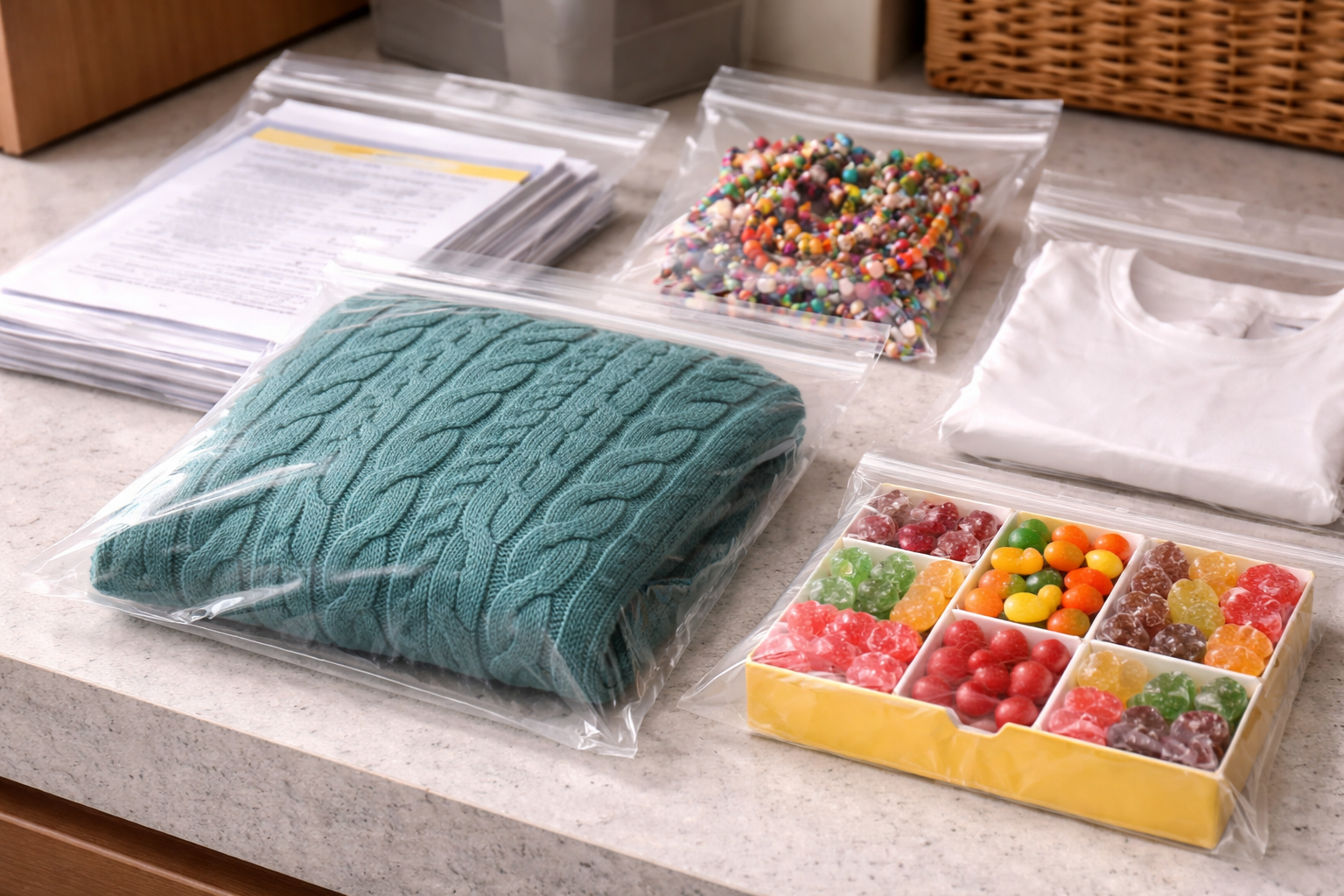
Poly bags are thin plastic bags that protect items while still being light and flexible. Because they are clear, people can easily see what is inside without opening the bag. This makes them useful in homes, stores, and warehouses where organization matters.

One reason poly bags are helpful is their ability to keep items clean. Imagine a new shirt being folded and placed inside a poly bag. The clear plastic forms a barrier between the fabric and dust in the air. When someone opens the bag later, the shirt still looks fresh and ready to wear. This same idea applies to many products that need to stay clean before they are used.

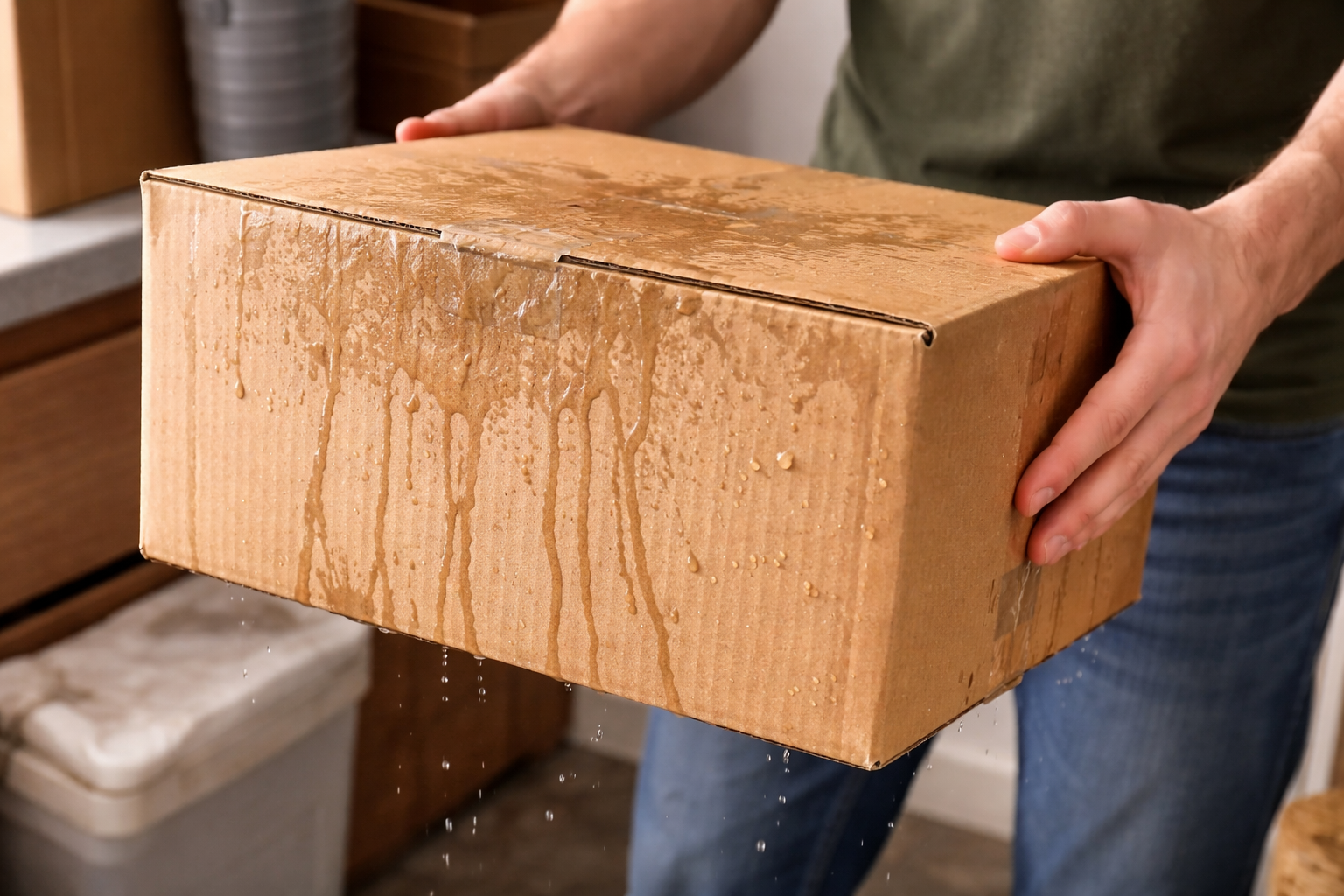
Poly bags also help protect items from moisture. Even a small amount of humidity can affect certain products over time. Paper goods may wrinkle, metal parts can develop spots, and fabrics might absorb moisture from the air. A sealed poly bag helps reduce that exposure, giving the item an extra layer of protection while it is stored or shipped.

Another useful feature of poly bags is their flexibility. Unlike rigid containers, poly bags can adjust to the shape of the item inside. A handful of screws, a folded garment, or a stack of small parts can all fit comfortably inside the same type of bag. This flexibility helps people store and transport many different kinds of items without needing many types of packaging.

Poly bags are also helpful for organizing small items. Imagine opening a toolbox where nails, bolts, and washers are scattered everywhere. Finding the right piece could take several minutes. If each group of parts is placed inside its own poly bag, the toolbox becomes much easier to manage. Each bag keeps similar items together so they are ready when needed.

In retail settings, poly bags are commonly used to package products before they reach customers. A store may place accessories, clothing, or small tools inside clear bags so shoppers can see the product while it stays protected. This makes the display look neat and helps customers quickly identify what they want.

Shipping is another area where poly bags play an important role. When items travel through delivery networks, they can shift or rub against other packages. A poly bag acts like a protective sleeve around the product. It helps prevent scratches, dust buildup, and minor contact during the trip.

Poly bags can also help reduce clutter in storage spaces. Instead of loose items filling drawers or bins, placing them in labeled bags keeps everything tidy. Someone searching for a specific item can quickly see what is inside each bag without opening every container.

For many people, the usefulness of poly bags becomes clear during everyday tasks. Whether protecting clothing, organizing small tools, or preparing items for shipping, these simple bags provide a clean and convenient solution. Their light weight, flexibility, and protective barrier make them a practical choice for keeping items safe and easy to find.

A poly bag may seem like a small detail, but it often makes a big difference in how items are stored, transported, and protected.

What Do You Really Need?

Many people starting a small business ask the same question: what shipping supplies do I actually need? It is easy to feel overwhelmed by the options. There are boxes, mailers, tape rolls, labels, cushioning materials, and more. The list can seem endless. But most shipments rely on a few core items that work together to protect what you send.

Shipping supplies are the tools that move a product from your hands to someone else’s door. Each one plays a specific role. When used correctly, they prevent damage, reduce returns, and create a smoother delivery experience.

The first basic supply is the container. This could be a corrugated box for sturdy items or a padded mailer for lighter goods. The container should match the product’s size and weight. If it is too large, the item may shift during transit. If it is too small, it may not allow room for protective padding. A proper fit keeps the shipment stable.

Next comes cushioning. Cushioning materials such as packing paper, bubble wrap, or air pillows help absorb impact. Packages travel through trucks, sorting centers, and conveyor systems. Along the way, they are stacked and moved repeatedly. Cushioning acts as a protective barrier between the product and outside pressure. When placed correctly, it limits movement and softens sudden bumps.

Sealing materials are also essential. Strong packing tape keeps the container closed throughout its journey. Tape should run along the main seam and, when necessary, across the edges for added stability. A secure seal prevents flaps from opening and helps maintain the box’s shape under weight.

Labels are another critical supply. Clear, readable labels ensure that packages move through the shipping network efficiently. A properly placed label reduces confusion and lowers the chance of delays. Some businesses also include return labels inside the package to simplify exchanges if needed.

Protective inserts can add extra value. Items that are sensitive to moisture may require plastic liners or protective sleeves. Fragile goods may benefit from corner protectors or reinforced padding. These additional supplies help address specific risks.

Organization tools also fall under shipping supplies. Storage bins for tape, label holders, and box cutters may not travel with the package, but they make the packing process smoother. An organized station reduces errors and speeds up order preparation.

Cost control is another reason to choose supplies carefully. Buying more than you need or selecting materials that are too heavy can increase shipping expenses. On the other hand, using supplies that are too weak may lead to damage and returns. The goal is balance. Each supply should serve a clear purpose without adding unnecessary weight or expense.

Environmental impact is increasingly important as well. Many shipping supplies are available in recyclable or paper-based forms. Choosing materials that can be reused or recycled helps reduce waste while still protecting products. Customers often appreciate when shipments arrive in packaging that can be easily disposed of responsibly.

When deciding what you really need, start with the product. Ask simple questions. Is it fragile? Is it heavy? Does it need protection from moisture? The answers guide your choice of container, cushioning, and sealing materials.

Shipping supplies do not need to be complicated. With the right combination of container, padding, tape, and labeling, most shipments can travel safely. When each part works together, the process becomes more reliable and efficient.

In the end, knowing what you truly need allows you to pack with confidence. Thoughtful selection of shipping supplies protects your products and supports a positive delivery experience from start to finish.

Why They Didn’t Reorder

You made a great product. The flavor was right. The texture was smooth. Customers smiled when they tasted it. But then something strange happened. They did not reorder.

It is easy to assume the candy was the problem. But often, the real issue is the box.

Candy boxes shape the first impression long before anyone takes a bite. Imagine someone opening a package and seeing bent corners or a lid that does not close evenly. Even if the chocolate inside is perfect, that weak presentation lowers the overall experience.

People taste with their eyes first.

Start by looking at structure. Folding cartons are common and cost effective. But the board weight matters. Thin paperboard bends easily during shipping and stacking. Thicker board keeps edges crisp and lids flat. When the box feels firm in the hand, the product inside feels more valuable.

Fit is just as important. If there is too much space inside, pieces slide around. Sliding leads to cracked coatings or scuffed finishes. Now picture opening a box where every chocolate sits neatly in place, untouched and clean. That visual order builds trust immediately.

Inserts help control movement. Simple paper partitions or molded trays keep each piece secure. They also make the presentation feel intentional, almost like opening a small gift.

Color and finish also play a role. Gloss coating adds shine and protects printed designs. Matte finishes create a soft, refined look. Think about how you want customers to feel. Bright colors suggest fun and celebration. Deep tones suggest richness and quality.

Consider the unboxing moment. A lid that lifts smoothly without sticking feels thoughtful. A magnetic closure adds weight and presence. Even small details like straight folds and clean glue lines affect perception.

Now imagine a customer placing your candy box on a table at a gathering. It sits upright. The lid opens neatly. Guests see perfectly arranged pieces inside. That scene creates conversation. It makes your brand part of a memory.

Shipping protection matters too. Candy is sensitive to heat and pressure. Strong outer packaging combined with sturdy candy boxes keeps products safe from crushing. Fewer damaged shipments mean fewer refunds and happier buyers.

Before choosing packaging, ask simple questions. Does the box hold its shape when stacked? Does it protect pieces from movement? Does it match the feeling your brand wants to create? Can customers picture giving it as a gift?

The goal is not just to sell candy. It is to create a complete experience. When the box supports the quality of the product, customers feel proud to share it. That pride often leads to repeat orders.

Sometimes, the difference between a one-time buyer and a loyal customer is not the recipe. It is the way the product is presented. Strong, well-designed candy boxes quietly support the story your brand is telling, from first glance to final bite.