Candy boxes may look simple, but anyone who ships sweets for a living knows how quickly the wrong packaging can turn a great product into a sticky, melted, dented disappointment. Whether you’re sending handcrafted chocolates for the holidays, caramel squares to local boutiques, or colorful gummies for an eCommerce order, the box you choose matters far more than most customers realize. Candy needs a package that protects it from bumps, temperature changes, crushing, humidity, and even the oils that naturally come from certain confections. A flimsy box can’t do that consistently, and that’s why so many small shops and large candy makers switch to higher-quality candy boxes once they begin scaling. They realize that the packaging is part of the product experience, and customers often judge the taste before they’ve even opened the lid.
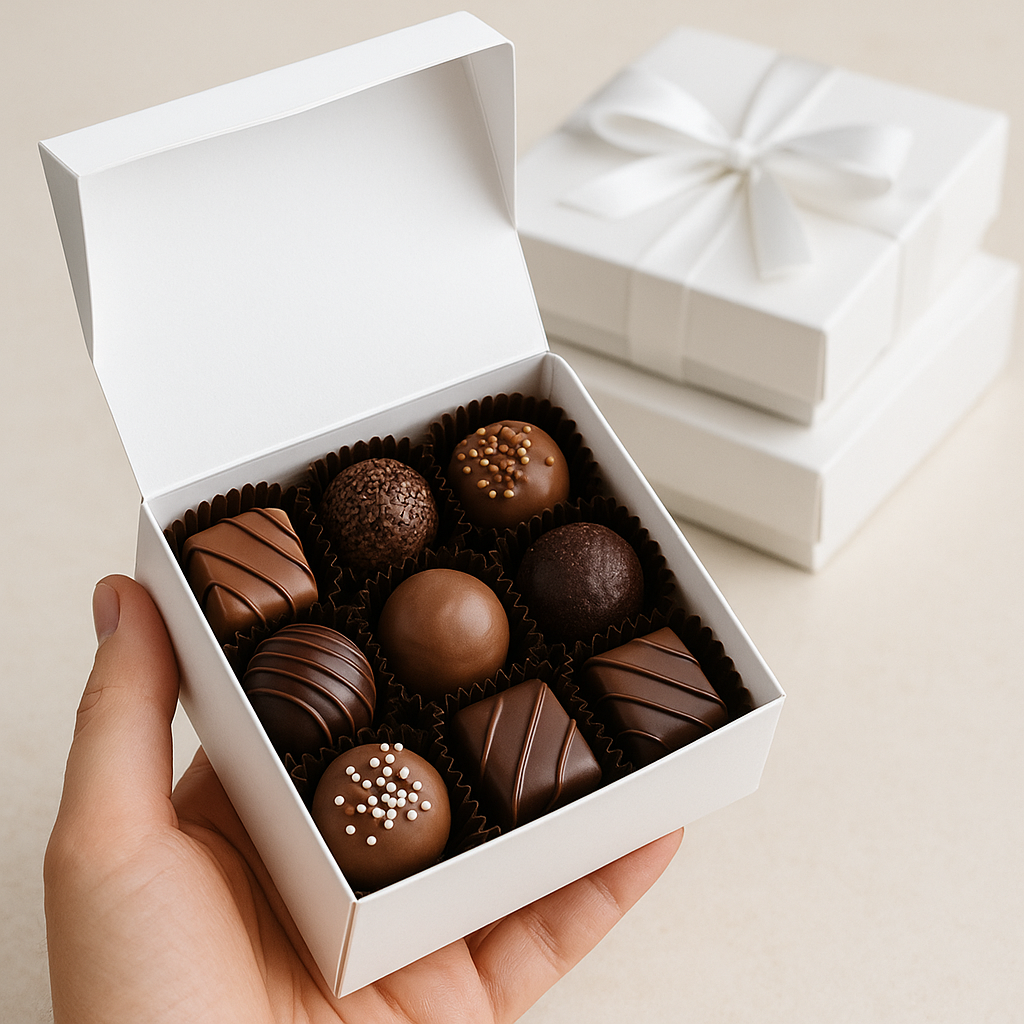
Better candy boxes don’t just protect the product. They elevate the look and feel of everything inside. Picture the moment a customer picks up a neatly structured, glossy-white candy box with a smooth tuck-top closure and a firm, clean shape. Before they taste anything, they already sense quality. That’s because candy packaging influences expectations the same way a gift box does. A sturdy box sends the message that the treats inside were crafted with care. A weak one sends the opposite message, even if your candy is some of the best around.
When done right, candy boxes become silent salespeople. They travel through shipping hubs, retail shelves, and customer homes while carrying your brand’s reputation. Well-made boxes help prevent melting by keeping chocolates better insulated. They reduce breakage, keep powdered sugar from escaping, and make your colors pop against a clean background. For retailers selling macarons, fudge, or dipped pretzels, good candy boxes also support stacking and display, which helps you sell more without adding shelf clutter.
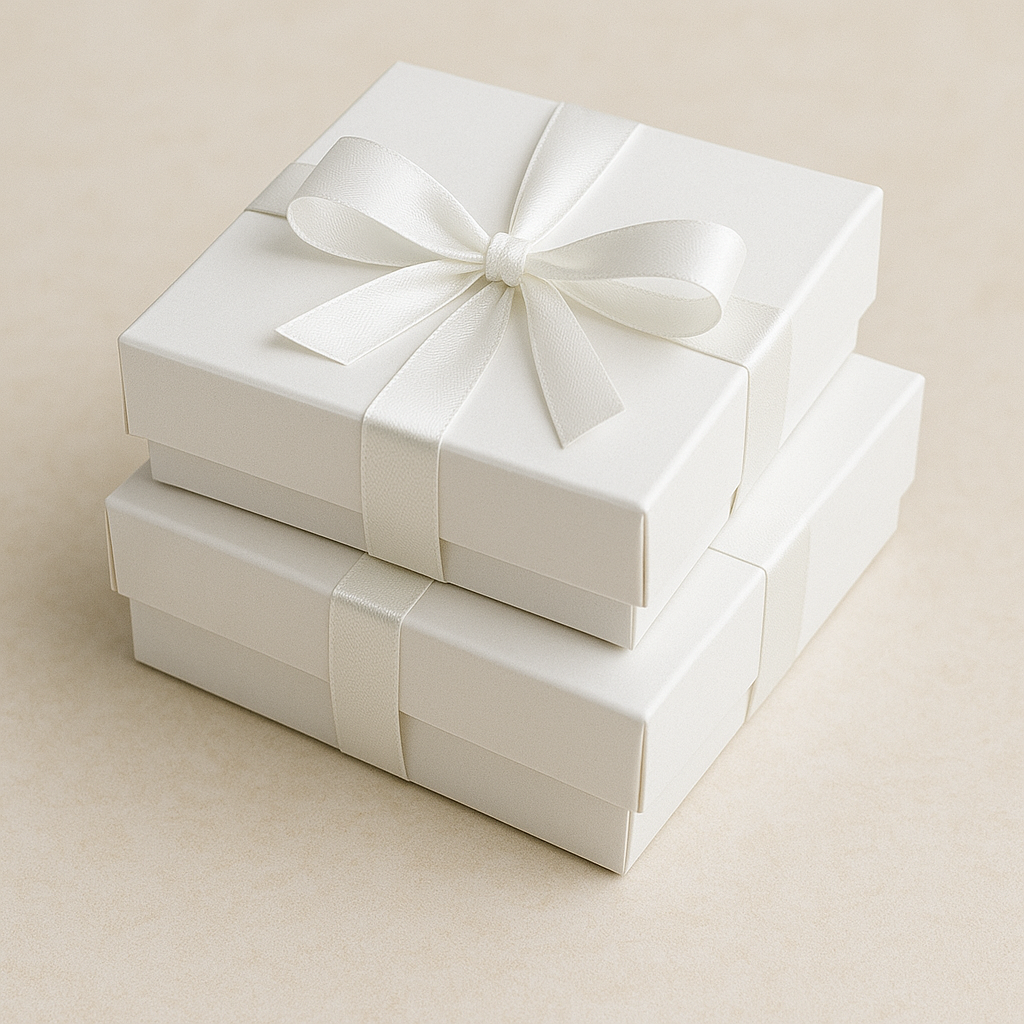
Sizing is another overlooked part of candy packaging. So many shops lose money by choosing boxes that are too large, forcing them to use more fillers, tissue, or cushioning material. That creates unnecessary cost and reduces the tight, premium presentation customers look for. The right candy box size creates a snug fit that protects the candy while highlighting it in an appealing way. That’s why professional candy makers often use several box sizes instead of trying to force everything into a single standard option. It reduces waste, makes the product look more centered, and keeps shipping weights consistent.
Printing is another area where businesses can elevate their packaging without overspending. Custom-printed candy boxes with a logo or branded color add a polished touch customers notice right away. Even small shops can use simple printed stickers or labels to add a personalized look without fully customizing the box structure. The goal is to give customers a memorable unboxing moment that feels like part of your brand story.
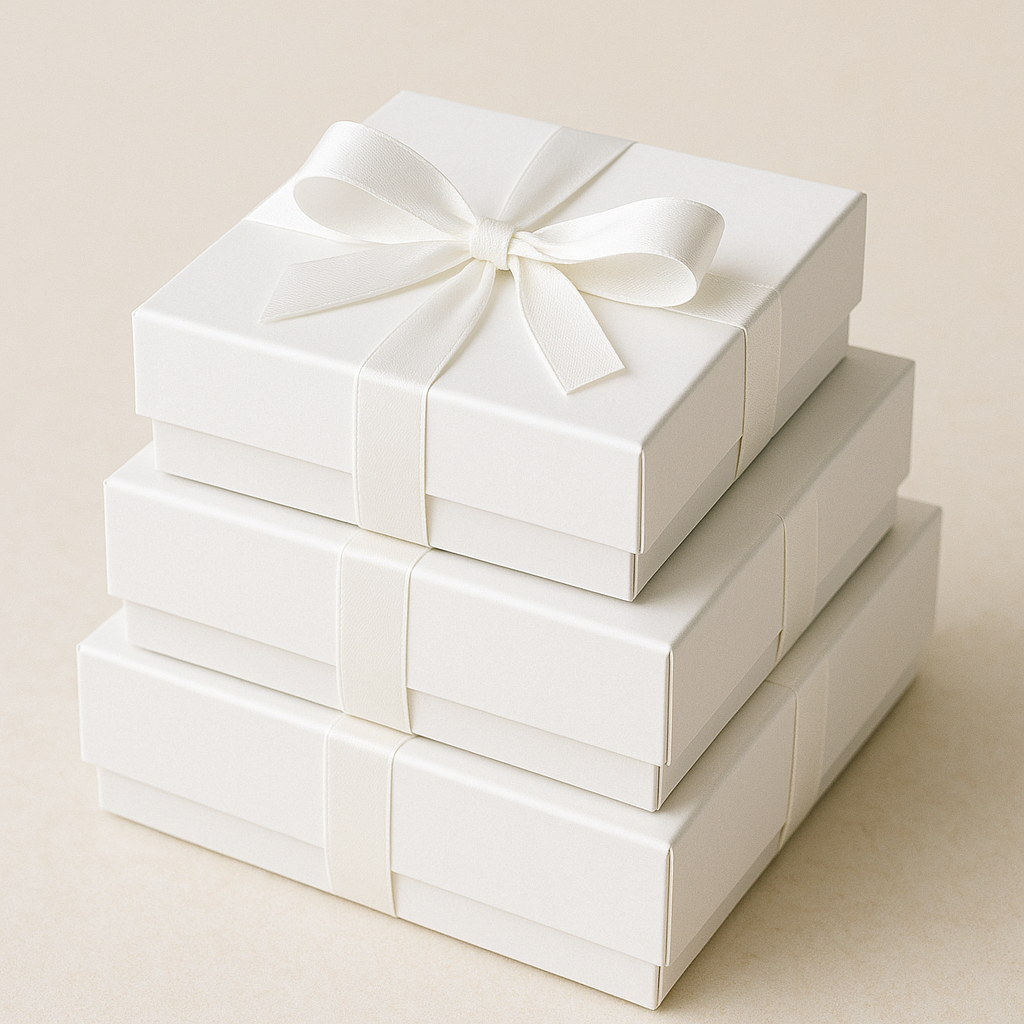
In today’s competitive food and gifting market, candy boxes are no longer just containers. They’re miniature storefronts that introduce your product long before someone tastes it. The right candy box increases customer satisfaction, reduces returns, protects delicate ingredients, and strengthens your overall presentation. If you want your sweets to stand out, last longer, and ship safely, choosing the right candy box isn’t optional. It’s an essential part of doing business — and one of the easiest improvements you can make to upgrade product quality without touching a recipe.

