Monthly Archives: October 2025

The Box Is the First Impression Your Brand Can’t Afford to Miss

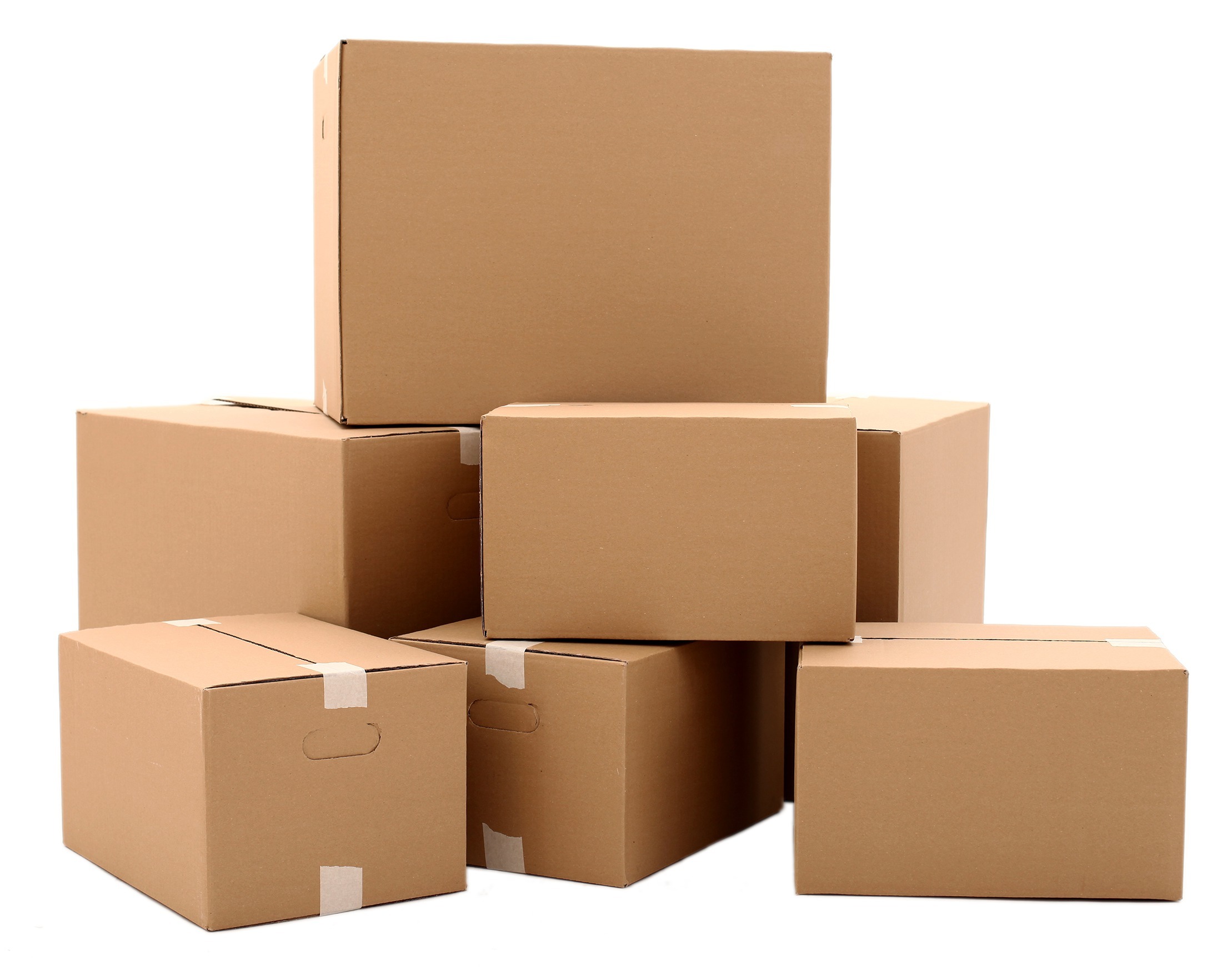
Before a customer ever touches your product, they touch your box. That first contact—how it feels, how it looks, how it holds up—says more about your brand than any tagline ever could. A well-packed, strong, and sustainable box communicates reliability, care, and quality. A weak one does the opposite. In the world of e-commerce and fulfillment, your shipping box is more than packaging. It’s your handshake, your first impression, and your silent salesperson.

Too often, companies treat boxes as a commodity—just something to hold the real product. But your box is the product until the customer opens it. Think about it: if the box arrives crushed or ripped, your buyer assumes the contents inside are just as neglected. On the other hand, if your shipment shows up crisp, clean, and secure, that experience builds trust before the lid even opens. Every customer interaction begins with that box.

The smartest warehouses and fulfillment centers know that box quality directly affects efficiency and reputation. Cheap boxes fail when stacked, split when sealed, and waste time during packing. Heavy-duty corrugated boxes, especially double-walled or reinforced with recycled fiber, hold their shape, stack cleanly, and resist crushing. That reliability speeds up your workflow—no more taping twice, no more double-boxing, no more product returns because of crushed corners.

Eco-friendly boxes are no longer a premium luxury—they’re a cost saver. Recycled corrugated cardboard performs as well as virgin material, sometimes better, and often costs less over time. Because they’re built with sustainability in mind, they’re also engineered for consistency. That consistency translates into predictability on the warehouse floor: fewer surprises, fewer slowdowns. A good box makes packing smoother, stacking easier, and shipping safer.

There’s a visual story here, too. Customers are paying attention to how their orders arrive. Boxes printed with clean branding or even just a small logo elevate your company from “vendor” to “professional operation.” And when that same box is recyclable or made from recycled material, it sends a signal that your brand values quality and responsibility. It’s the kind of detail that customers remember—and tell others about.

Efficiency also grows when you use the right box sizes. Standardizing your box inventory reduces guesswork for packers and saves space on pallets. It cuts filler waste and improves dimensional weight pricing with carriers. Even the simple act of sizing your boxes smarter can reduce shipping costs and increase throughput across your entire system.

The financial advantage compounds over time. Fewer damaged shipments mean fewer replacements. Fewer filler materials mean lower costs. And when your packaging is cleaner, stronger, and recyclable, customers associate that precision with professionalism. Every good box pays you back in reduced risk, smoother handling, and stronger brand trust.
So the next time you look at your shipping supply order, don’t see “boxes” as just another expense line. See them as an investment in customer experience, efficiency, and reputation. The difference between a cheap box and a quality one isn’t just cardboard—it’s perception, performance, and profit.

The right box does more than hold your product—it holds your promise. When it arrives clean, sturdy, and sustainable, your customer sees the kind of business you are before they ever open the flaps. In a world where first impressions happen on the doorstep, make sure your box says everything you want your brand to stand for.

Why Some Boxes Travel Better Than Others

Not all boxes are created equal. Some arrive looking sharp and sturdy—others look like they fought a losing battle with a forklift. Every business that ships something learns this the hard way: a box is more than just a container. It’s the last thing you touch before the customer touches your product. And what happens between those two moments says a lot about how prepared you were.

Shipping boxes are often the first thing people underestimate. They look simple, right? Four flaps, a bit of tape, job done. But there’s an entire science behind what makes a box survive the trip. Weight, stacking, temperature, and handling all play a part. What happens to a box in a delivery truck isn’t gentle—it’s more like a boot camp. It’s lifted, squeezed, stacked, and sometimes dropped. If the box isn’t built for that, it’s not going to make it home.

A lot of small businesses try to save money by reusing boxes or buying the lightest ones available. It feels smart at first—until a customer sends a photo of something cracked, bent, or broken. The truth is, a weak box doesn’t just fail once. It fails every time it’s reused, because cardboard fibers lose strength with every trip. A used box might look okay, but it’s already tired. And tired boxes don’t survive long routes.

The right shipping box acts like armor. It doesn’t have to be fancy, but it needs to fit the job. Double-wall boxes hold up better for heavy items or long hauls. Smaller, snug-fitting boxes protect delicate things by keeping them from bouncing around. Choosing the right size can be the difference between a smooth delivery and a product that shows up dented.

The shape of the box also matters more than people realize. A box that bulges from overpacking is already under stress before it even leaves the warehouse. Once it’s stacked under other boxes, that pressure multiplies. By the time it reaches its destination, those corners have softened, and the structure is compromised. The same thing happens with boxes that are too big—too much open space lets the contents move, collide, and damage themselves.

Then there’s the invisible part: moisture. Cardboard doesn’t mix well with rain, humidity, or condensation. Even a little moisture can weaken its fibers and cause the box to sag or tear. That’s why a lot of experienced shippers use liners or wraps to keep boxes dry. A simple barrier against water can prevent a shipment from turning into a soggy mess.

Good shipping boxes don’t just carry products—they carry your reputation. When your package arrives clean, strong, and professional, it tells your customer they can trust you. It shows care, not just in what you sell, but in how you send it. That’s something people remember. It’s the quiet kind of branding that happens without a logo.

A well-chosen box doesn’t cost much more than a weak one, but the difference it makes can be enormous. It saves time, refunds, and frustration. It keeps customers coming back because they know what they get from you shows up right.

In the end, a shipping box’s real value isn’t measured by how much it holds—it’s measured by how well it protects what matters. And the best ones? They do their job so well, nobody ever has to think about them.

Ever had packaging ruin the product?

You spend time picking the right products, prepping them for shipment, and sealing them up with care. Everything looks great when it leaves your hands—but then it shows up at the customer’s door looking scuffed, dusty, or worse, soaked from a little rain. The culprit? A flimsy, poorly fitted poly bag that gave up halfway through the journey.

Poly bags seem simple. They’re clear, lightweight, and easy to overlook. But they’re one of the hardest working packaging tools in your entire operation. They protect against dirt, moisture, scratches, and handling wear—the everyday hazards that can turn a perfectly good product into a headache. When the bag fails, the product takes the blame.

Imagine you’re shipping neatly folded apparel. A thin, weak poly bag rips during sorting, and now the shirt arrives covered in warehouse grime. Or picture sending delicate printed materials in a bag that’s just a hair too small—the corners poke through, tearing the plastic. Suddenly your clean, professional image is replaced with frustration. Customers don’t email to say, “Your bag tore.” They email to say, “This isn’t what I ordered.”

Now flip that story. You slide the product into a thick, clear, perfectly sized poly bag. It fits like a glove—not too tight, not too loose. The material is durable and resists punctures and tears. When sealed, it creates a crisp, clean presentation that instantly makes the product look more valuable. Whether it’s apparel, documents, hardware, or food-safe items, a good poly bag gives your shipment that “new and cared-for” look from start to finish.

Stronger bags also make life easier behind the scenes. They don’t rip on the packing line, which means your team moves faster. They stack and store neatly without bunching up. And when customers receive their order, they see clarity—literally. A clear, well-fitted bag gives off the impression that your operation runs smoothly and professionally.

Cheap, thin bags might seem like a cost saver at first, but the hidden costs show up quickly. Replacements, returns, damaged goods, negative reviews, and extra labor all eat away at those “savings.” A strong poly bag is like a reliable umbrella—it doesn’t seem like a big deal until the storm hits.

Poly bags aren’t just about protection—they’re about presentation, too. A crinkled, cloudy bag makes even a great product look second-rate. A clear, smooth, well-fitted one frames it like a display window. Think of the difference between handing someone a shirt in a wrinkled grocery bag versus in a clean, sealed sleeve. One says, “We care.” The other says, “We cut corners.”

Sustainability is becoming part of the poly bag conversation as well. Many businesses are switching to recyclable or biodegradable options that maintain strength and clarity while reducing environmental impact. Customers notice those choices. They want to feel good about what they receive—not just because of the product, but because of the way it’s packaged.

Poly bags may be simple, but they’re far from insignificant. They’re often the first line of defense and the last layer customers touch before they see what’s inside. A weak bag can quietly undo a lot of hard work. A strong one keeps everything looking sharp, clean, and professional—no matter what the shipping journey throws at it.

Packages shouldn’t feel like roulette

Every shipment carries a risk. You box it up, slap on tape, and send it off with a silent prayer that it arrives in one piece. Sometimes it does. Sometimes it doesn’t. That’s the gamble when shipping supplies are weak, mismatched, or running low. Customers don’t see the effort it took to pack their order—they only see the result when it lands on their doorstep. If that result is crushed corners or popped seams, their trust vanishes with the damaged product.

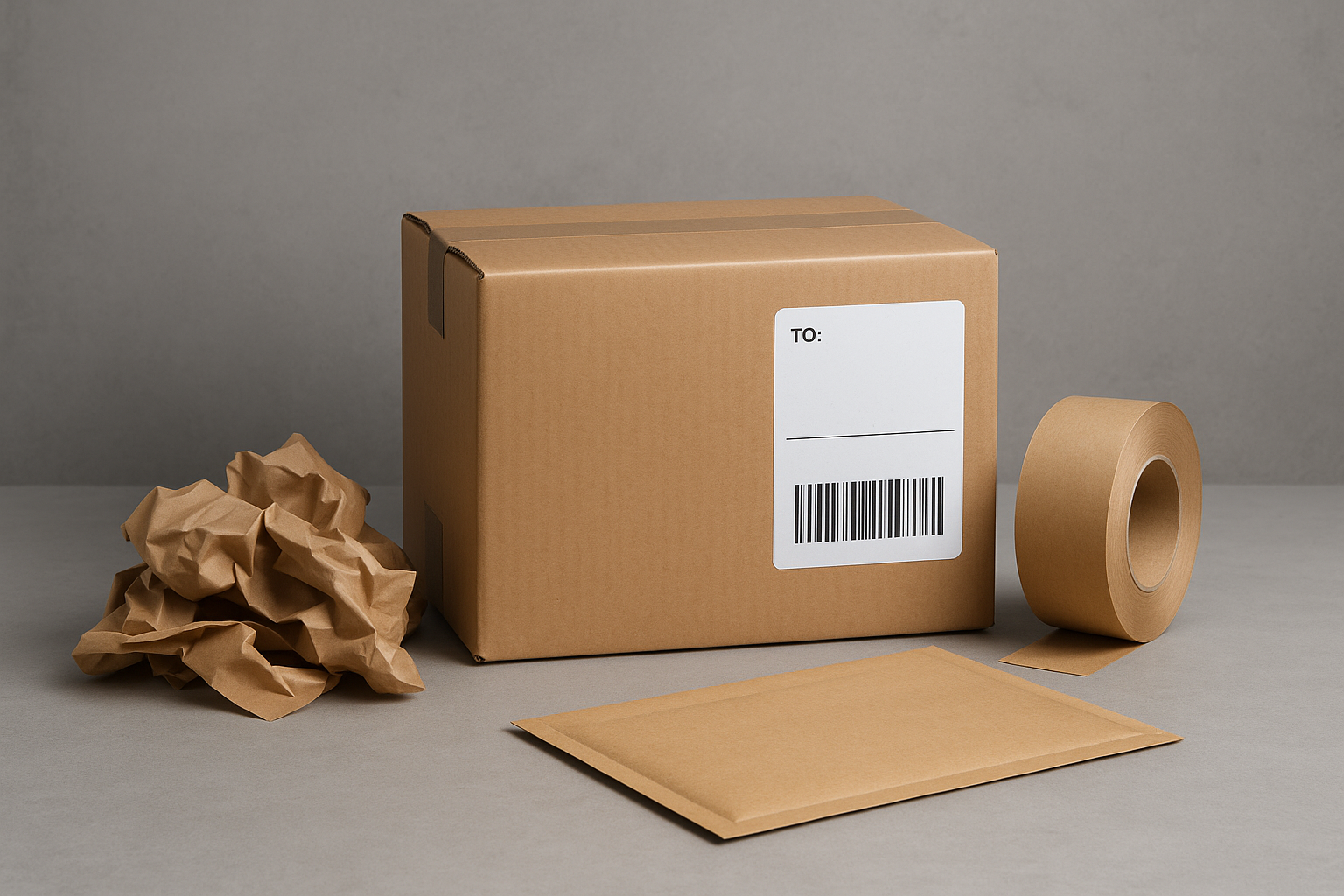
The right shipping supplies change the story completely. Picture a workstation stocked with sturdy cartons, reliable tape, cushioning wrap, and clear labels. Each tool has a purpose, and together they turn packing into a smooth, predictable routine. Instead of gambling, you’re controlling the outcome. A fragile vase survives the truck ride. A stack of books arrives without a bent cover. A shipment of electronics reaches the customer with every piece intact. That consistency is the foundation of trust.

Bad supplies do more damage than people realize. One cracked box can lead to a return, a refund, and a disappointing review. Multiply that by dozens of orders, and the losses stack up fast. Cheap tape that peels off in transit isn’t saving money—it’s costing it. Thin filler that collapses under weight isn’t reducing waste—it’s increasing it. Every failure on the road becomes a cost back at home.

Quality shipping supplies save more than products; they save time and stress. Strong tape seals with one strip instead of three. Bubble mailers keep small items safe without extra stuffing. Stretch wrap locks pallets in place, preventing a wobble that could ruin an entire load. Workers move faster when their tools don’t fight them, and customers feel the difference when orders arrive on time and unscathed.

There’s also the impression factor. Customers may not compliment you on the tape you used, but they notice when a box arrives neat, clean, and secure. They notice when fragile goods are carefully wrapped. They notice when the packaging looks professional instead of improvised. Each delivery is a silent message that says, “We care about your order.” That message creates repeat business, loyalty, and word-of-mouth marketing no ad campaign can buy.

And don’t overlook sustainability. Shipping supplies are evolving, with recyclable cartons, biodegradable fillers, and eco-friendly wraps now widely available. Customers who care about the environment notice those choices too. They see a business that aligns with their values, and that creates another layer of trust.

The bottom line is simple: shipping supplies aren’t extras. They’re the armor that protects your products and the handshake that greets your customers. Skimping on them is like wearing a paper raincoat in a storm—you’ll regret it the first time things get rough. Strong supplies may seem like a small detail, but they carry the weight of your brand’s reputation in every box that leaves your door.

So stop rolling the dice with your shipments. Stock the right supplies, invest in quality, and let your packages tell the story you want told: one of care, consistency, and confidence.