It is time-consuming and labor-intensive to produce high-quality candies using quality ingredients. However, the packaging of your candy is just as crucial as the preparation of it.
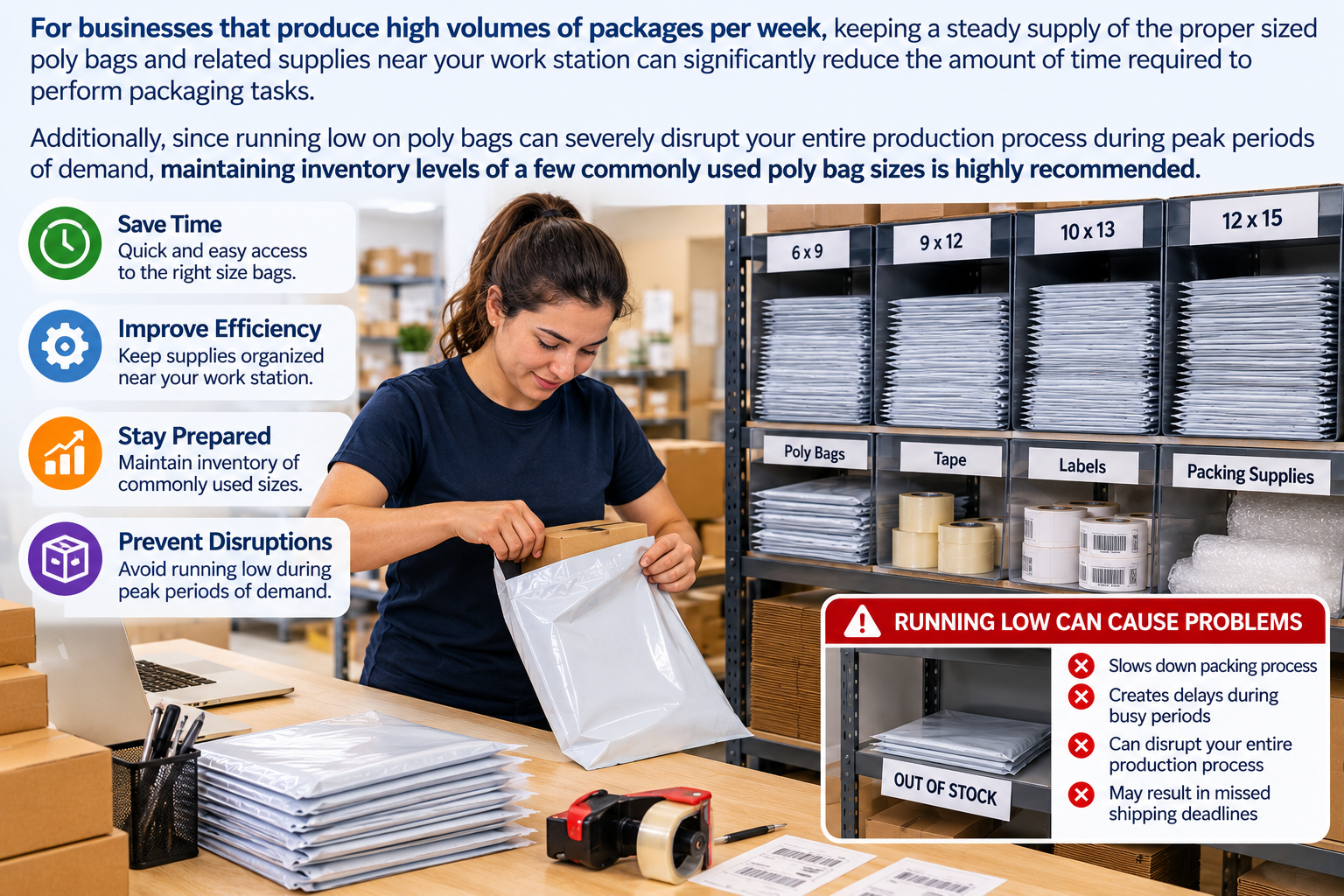
When a consumer purchases a candy item such as chocolates, fudge, truffles or caramels, there are many ways the product could be damaged while it is being packaged.
Therefore, selecting a candy box that meets the consumers’ expectations and needs is very important.
Consider an example of a customer purchasing a dozen homemade chocolates as a birthday gift. When the chocolates were removed from the store, they looked perfect. However, by the time the customer opened their gift, at least several of the pieces had slid out of position, and several of the decorative elements had become disfigured.
While the chocolates probably tasted fine, the gift was no longer as special as it once was.
Selecting the right candy box can minimize problems like these.
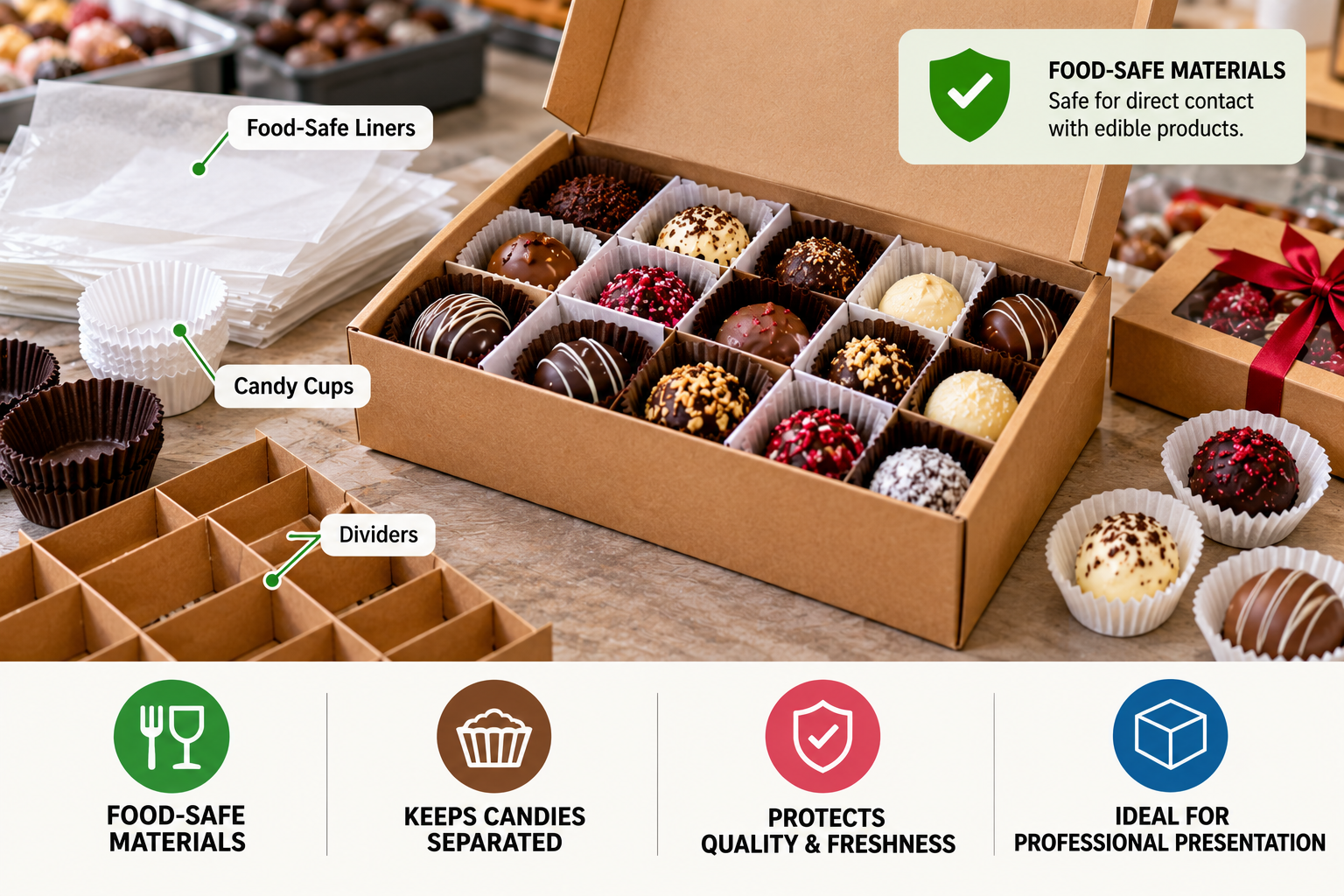
Firstly, select a box that provides enough space for your candy items. If your products are small and round, then perhaps boxes with separate compartments would be ideal. On the other hand, if your products are large and flat (such as fudge), perhaps boxes with additional spacing are necessary to ensure the product does not get crushed.
You need to provide enough space to ensure that your products do not get crushed; however, you cannot provide so much space that your products slide around within the box.
Secondly, you need to take into consideration the characteristics of the candies you are producing.
If you are producing soft candies, they will be easily damaged. Some candies have toppings or decorative elements that will fall-off when they come into contact with another candy. Selecting candy boxes that match the characteristics of your candies will help preserve the value of your work.
Thirdly, you need to select a box that has features that will meet the requirements of the interior of your box.
As previously mentioned, depending on the nature of your candies, you may require food-safe liners, candy cups, etc., to separate your candies from the interior of your box and from each other. Make certain that any material used for separating your candies from your boxes is safe for direct contact with edible products.
Finally, you must consider how your customers will utilize your boxes.
For example, a consumer who is purchasing a candy item for his/her own consumption will likely prefer a simple box design that is easy-to-open. On the other hand, a consumer who is purchasing a candy item for a wedding, birthday or holiday celebration will likely be concerned about how attractive the box design appears when presented as a gift.
By having multiple designs of candy boxes available, you will be able to service both types of consumers.
Finally, storage is also an important aspect of maintaining candy boxes.
Storing empty candy boxes in a clean environment that is free from moisture and odor can help maintain cleanliness and facilitate packaging during peak periods.
Before ordering your next batch of candy boxes, test different sizes of candy boxes with your most popular candies. Close the lid on the candy box and gently shake it to determine whether or not your candies remain in place.
A small amount of testing now will assist in avoiding unpleasantness later.