A shipping box does more than hold a product. It protects the order, helps it survive rough travel, and shapes the first impression a customer gets when the package lands on their porch. A damaged box can make even a great product feel disappointing before the customer opens it.
One thing businesses ask all the time is how to choose the right shipping boxes. The answer usually starts with the product itself. Heavy items need stronger corrugated boxes. Smaller lightweight products may only need thinner cartons. Fragile products often need extra room for padding so they stay protected during delivery.
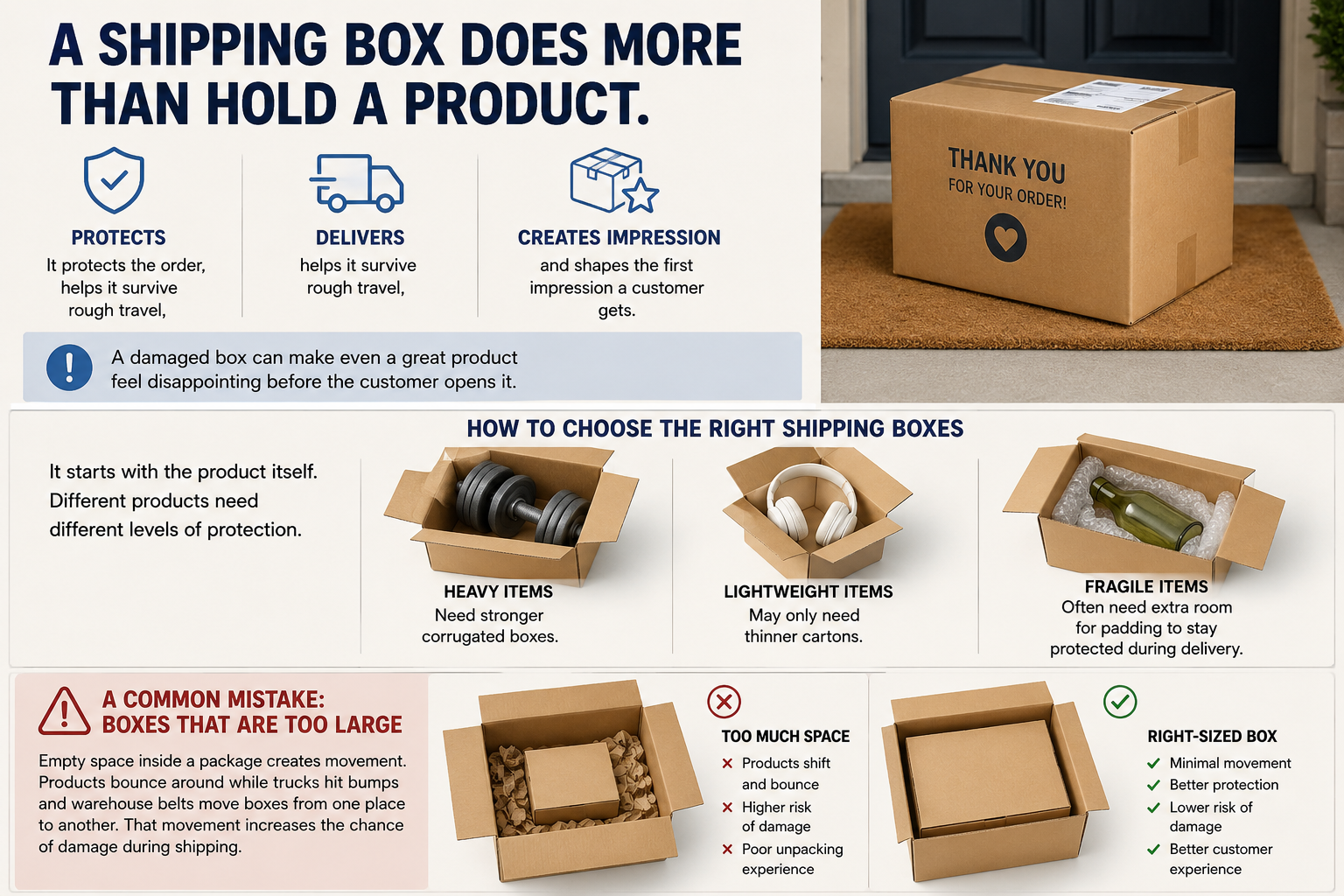
A mistake many businesses make is choosing boxes that are too large. Empty space inside a package creates movement. Products bounce around while trucks hit bumps and warehouse belts move boxes from one place to another. That movement increases the chance of damage during shipping.
Another question companies ask is whether box strength really matters. It does. Weak shipping boxes can collapse under pressure, especially when stacked during transport. A customer receiving a crushed package may instantly assume the product inside is broken too.
Some business owners focus heavily on saving money with cheaper boxes. That can work against them later. A lower box price may seem helpful upfront, but damaged shipments, refunds, and unhappy customers usually cost far more in the long run. Stronger shipping boxes often reduce those problems before they happen.
People also ask how shipping boxes affect customer trust. Think about ordering something online and seeing a box arrive ripped at the corners with tape barely holding it together. Most people immediately feel uncertain about the order. A clean sturdy box creates a much better feeling from the start.
Another topic businesses wonder about is box size and shipping costs. Larger packages usually cost more to ship because carriers often charge based on dimensions and weight. Using better-sized shipping boxes can help lower costs while still protecting the product properly.
Storage becomes another challenge for growing businesses. Shipping boxes can take over an entire warehouse if they are not organized correctly. Stacking sizes together and keeping common box types nearby helps workers move faster during packing.
Some companies also ask whether custom shipping boxes help sales. Printed logos and branded packaging can make businesses more memorable, especially for online stores. Still, customers usually care more about receiving a safe undamaged package than fancy artwork on the outside.
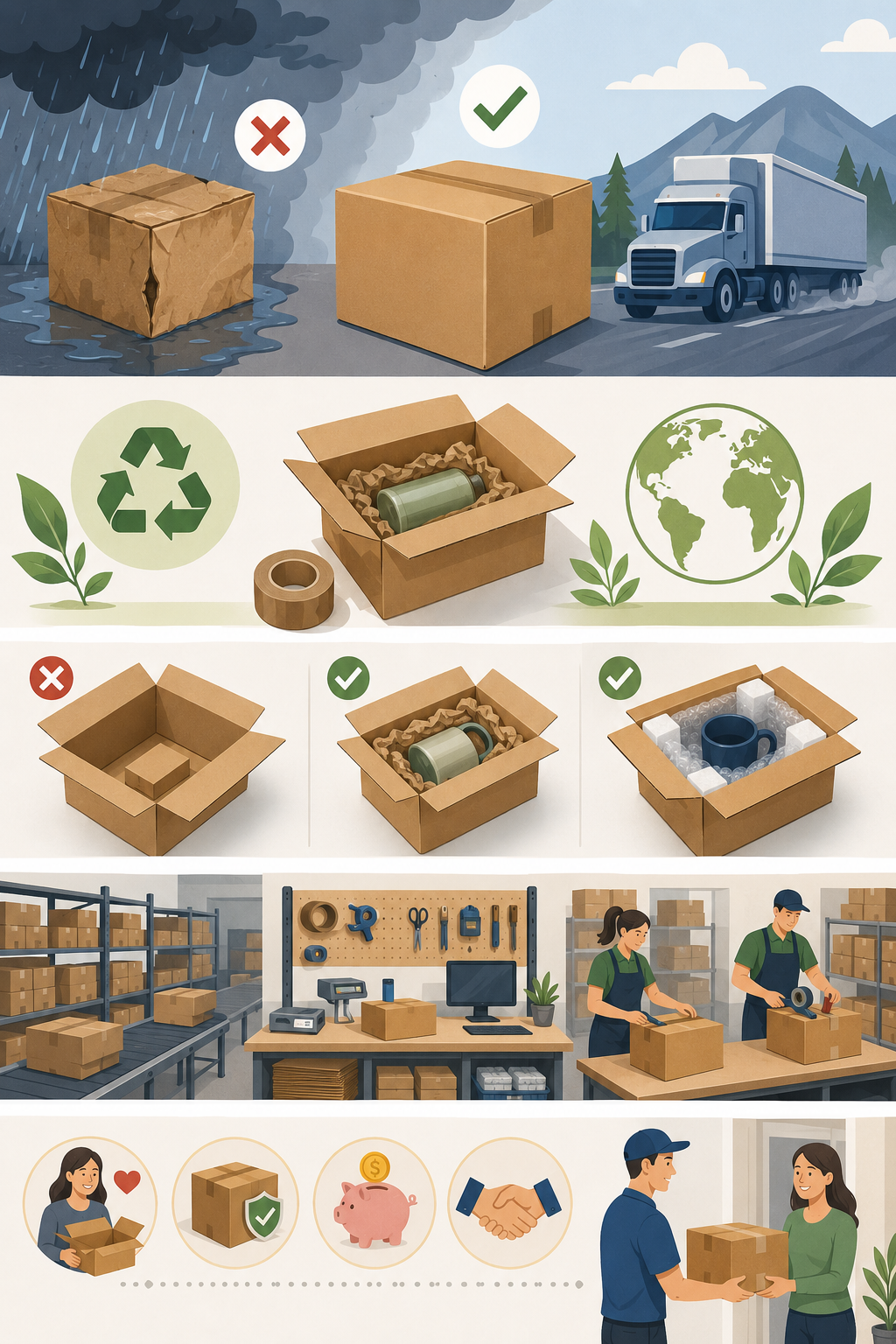
Weather creates problems too. Rain and humidity can weaken poor-quality boxes during travel. Businesses shipping long distances often choose stronger corrugated shipping boxes because they handle rough conditions better.
Many customers today also care about recyclable packaging. Shipping boxes made from recycled materials are becoming more popular because they create less waste. Businesses can often protect products well while still using environmentally friendly materials.
Another question people ask is how to pack shipping boxes more efficiently. Using the right filler materials and avoiding oversized packaging helps products stay secure without wasting space. Organized packing stations also speed up the process during busy sales periods.
Shipping boxes may seem simple at first glance, but they quietly affect customer experience, product safety, shipping costs, and business reputation every single day. Choosing the right box helps orders arrive safely while making the entire shipping process feel smoother for both businesses and customers.