Tag Archives: shipping boxes

What’s Inside the Box Isn’t Enough

Most companies pour all their energy into what’s inside the box—great products, strong branding, careful customer service. But the truth is, what surrounds that product matters just as much. The box itself is part of the experience. It’s the first thing customers see, the first thing they touch, and often the first judgment they make. A good box can make a product feel premium before it’s even opened. A bad one can make the best product in the world look cheap.

Shipping boxes aren’t just containers—they’re ambassadors of your brand. When a customer receives a box that’s sturdy, clean, and well-sealed, they feel a level of professionalism and trust. When they get one that’s crushed, uneven, or patched with mismatched tape, they feel something else entirely: disappointment. And disappointment travels fast. Every review, every word-of-mouth referral, every social media post that follows depends on whether your box did its job or not.

What most people don’t realize is that every box has two jobs. The obvious one is protection—keeping products safe from bumps, drops, and bad weather. But the second job is presentation. The moment your box lands on someone’s porch, it’s silently saying something about who you are. Do you look like a company that values quality, consistency, and care? Or like one that cut corners to save a few cents? The difference between those messages often comes down to the quality of the shipping box itself.
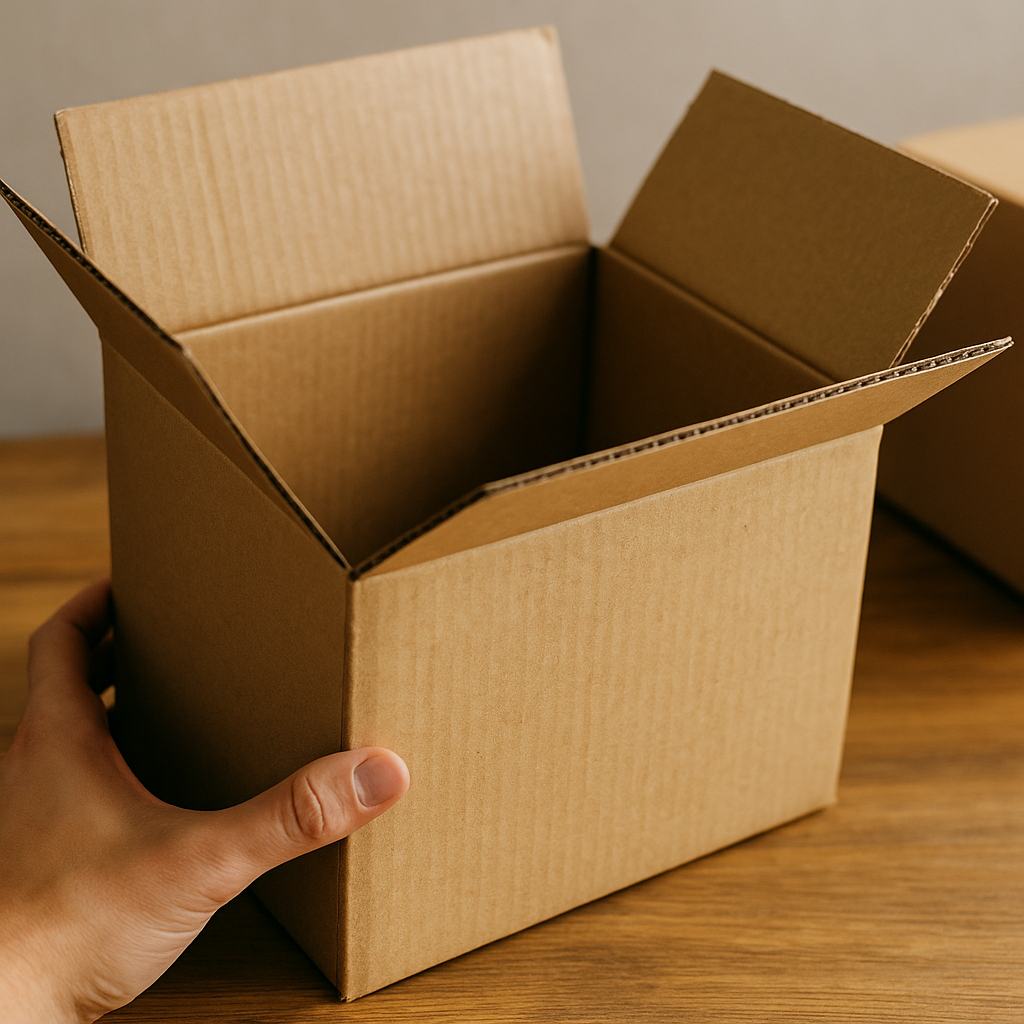
And here’s the kicker: better boxes don’t always cost more. They often save money. A properly sized box reduces the amount of void fill you need, cuts down on shipping weight, and minimizes damages. Heavy-duty corrugated boxes can stack better, resist crush damage, and survive multiple handling points. Over time, that means fewer returns, fewer replacement shipments, and a smoother workflow. It’s not about buying more boxes—it’s about buying smarter boxes.

Efficiency thrives when your boxes are standardized. Having a few consistent sizes that fit your most common products speeds up packing, reduces clutter, and makes reordering easier. Employees don’t have to think—they just grab and go. A streamlined system keeps the backroom calm and predictable, which means orders get out faster and with fewer mistakes. Every business owner knows chaos costs money; organized packaging saves it.

Customers notice more than you think. When they slice open a well-built box and find their item safe and secure, it builds confidence in your business. They may not mention it, but they remember it. The box becomes part of your brand’s identity—an unspoken promise of reliability. That kind of quiet, consistent impression compounds over time. It’s what keeps customers coming back long after the first sale.
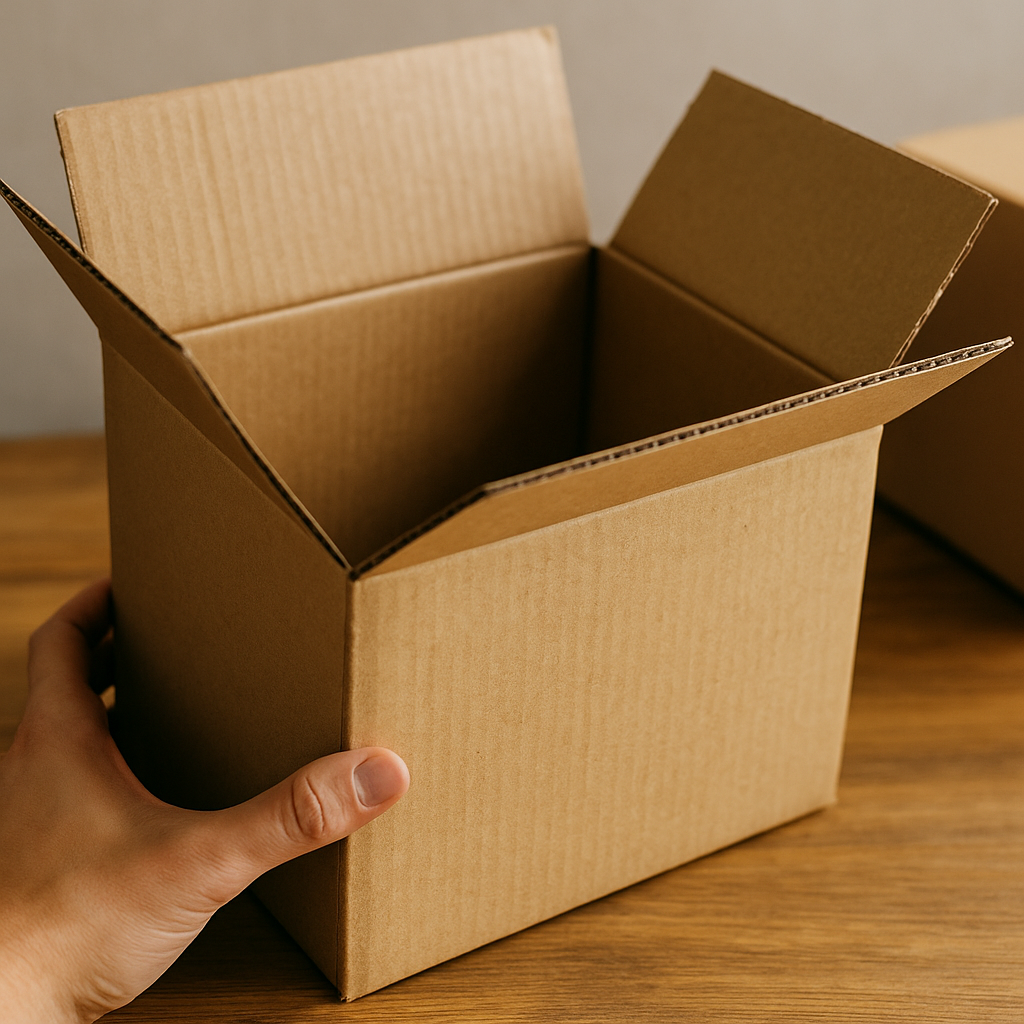
At the end of the day, shipping boxes aren’t just a tool of transport—they’re a symbol of how you operate. They show your attention to detail, your pride in presentation, and your respect for the customer experience. Every box that leaves your warehouse carries your reputation with it. When that box arrives looking strong, clean, and dependable, it tells the world your company is too.

So yes, what’s inside matters—but what’s around it might matter even more.

The Box Is the First Impression Your Brand Can’t Afford to Miss

Before a customer ever touches your product, they touch your box. That first contact—how it feels, how it looks, how it holds up—says more about your brand than any tagline ever could. A well-packed, strong, and sustainable box communicates reliability, care, and quality. A weak one does the opposite. In the world of e-commerce and fulfillment, your shipping box is more than packaging. It’s your handshake, your first impression, and your silent salesperson.

Too often, companies treat boxes as a commodity—just something to hold the real product. But your box is the product until the customer opens it. Think about it: if the box arrives crushed or ripped, your buyer assumes the contents inside are just as neglected. On the other hand, if your shipment shows up crisp, clean, and secure, that experience builds trust before the lid even opens. Every customer interaction begins with that box.

The smartest warehouses and fulfillment centers know that box quality directly affects efficiency and reputation. Cheap boxes fail when stacked, split when sealed, and waste time during packing. Heavy-duty corrugated boxes, especially double-walled or reinforced with recycled fiber, hold their shape, stack cleanly, and resist crushing. That reliability speeds up your workflow—no more taping twice, no more double-boxing, no more product returns because of crushed corners.

Eco-friendly boxes are no longer a premium luxury—they’re a cost saver. Recycled corrugated cardboard performs as well as virgin material, sometimes better, and often costs less over time. Because they’re built with sustainability in mind, they’re also engineered for consistency. That consistency translates into predictability on the warehouse floor: fewer surprises, fewer slowdowns. A good box makes packing smoother, stacking easier, and shipping safer.

There’s a visual story here, too. Customers are paying attention to how their orders arrive. Boxes printed with clean branding or even just a small logo elevate your company from “vendor” to “professional operation.” And when that same box is recyclable or made from recycled material, it sends a signal that your brand values quality and responsibility. It’s the kind of detail that customers remember—and tell others about.

Efficiency also grows when you use the right box sizes. Standardizing your box inventory reduces guesswork for packers and saves space on pallets. It cuts filler waste and improves dimensional weight pricing with carriers. Even the simple act of sizing your boxes smarter can reduce shipping costs and increase throughput across your entire system.

The financial advantage compounds over time. Fewer damaged shipments mean fewer replacements. Fewer filler materials mean lower costs. And when your packaging is cleaner, stronger, and recyclable, customers associate that precision with professionalism. Every good box pays you back in reduced risk, smoother handling, and stronger brand trust.

So the next time you look at your shipping supply order, don’t see “boxes” as just another expense line. See them as an investment in customer experience, efficiency, and reputation. The difference between a cheap box and a quality one isn’t just cardboard—it’s perception, performance, and profit.

The right box does more than hold your product—it holds your promise. When it arrives clean, sturdy, and sustainable, your customer sees the kind of business you are before they ever open the flaps. In a world where first impressions happen on the doorstep, make sure your box says everything you want your brand to stand for.

Why boxes matter more than you think

When you order something online, you usually look at the product first. But the box it comes in is very important too. A box is more than just a container. It protects the item inside. A strong, well-packed box can mean the difference between a happy customer and a broken order.

Think about it. Packages travel a long way. They ride on trucks, move on conveyor belts, and sit in sorting centers. Along the way, they bump into other boxes, drop from shelves, or get stacked too high. A weak box can get crushed or torn. If the item inside is fragile, it can break easily. The right shipping box keeps it safe through all of that.
Boxes come in many sizes and strengths. Small boxes are good for light items like clothes or books. Medium or large boxes are better for heavier items or sets of products. Strong boxes, like double-wall cartons, are best for fragile or heavy items. Choosing the right size and strength helps products arrive safely.

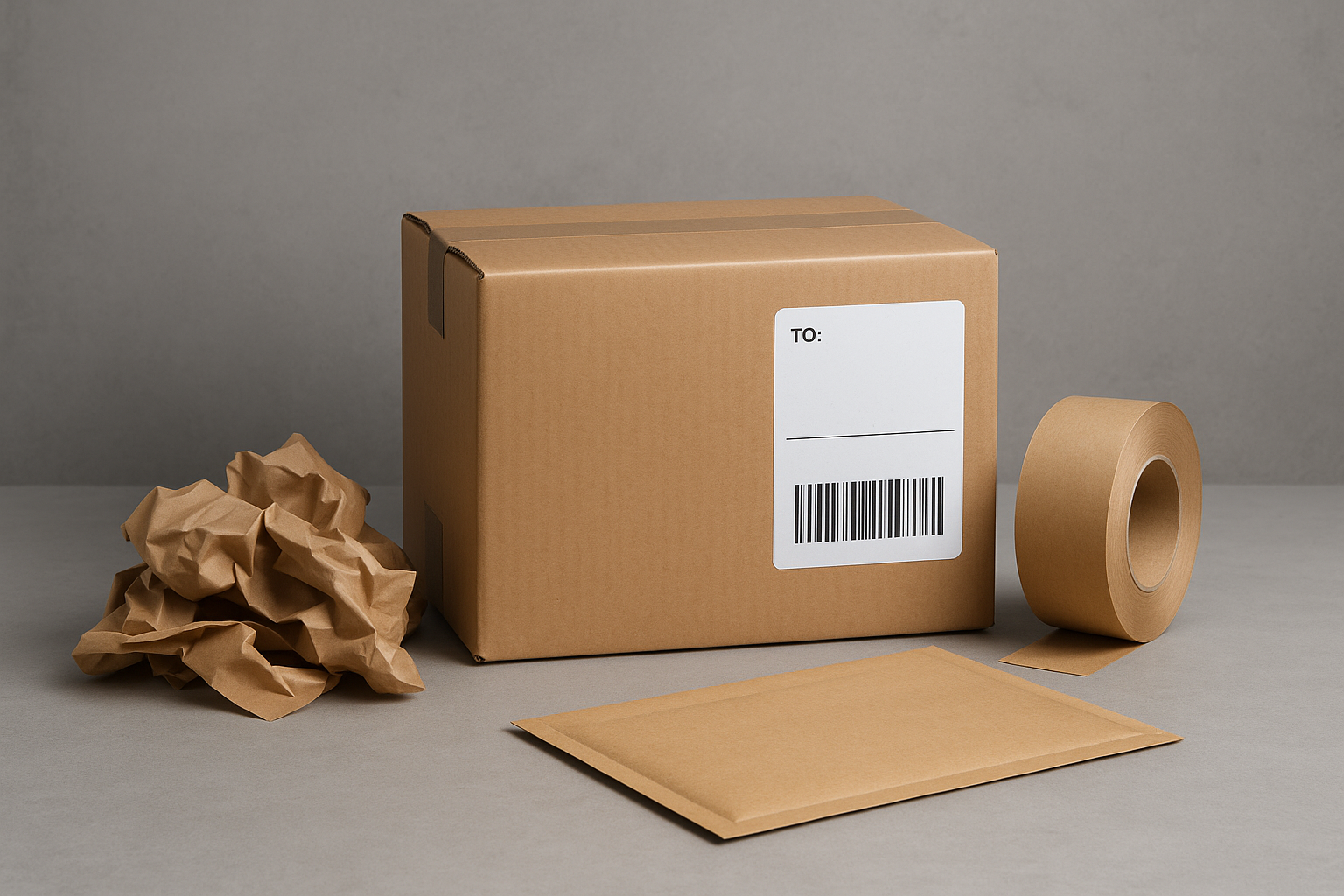
Padding inside the box is also important. Bubble wrap, foam peanuts, or kraft paper helps hold items in place. It stops them from moving and protects them from bumps. Even a small item, like a mug or glass ornament, can survive a long trip if it is wrapped well and placed in the right box.

Tape is another small but important part. Strong packing tape keeps the box closed, even when it is tossed around. Cheap tape can peel off or tear, and then the box can open on its own. A box that opens in transit can ruin the product and make the customer unhappy.
Good shipping boxes also make customers feel cared for. A neat, sturdy box looks professional and shows that the business thought about the order. Broken or sloppy boxes make customers feel like the company didn’t care. People remember these feelings, and it can affect whether they buy from the business again.

Using the right boxes can also save money. Oversized boxes use extra shipping space, which costs more. Undersized boxes can cause damaged products and returns. Picking the right size and strength prevents waste and keeps shipping costs lower.

Even the little details matter. A box that is clean, taped well, and filled correctly can make a big difference in the customer’s experience. It makes unboxing exciting and shows that the business cares about every order. Customers like that. They are more likely to come back and tell friends about the business.

In the end, shipping boxes are more than cardboard. They protect products, save money, and make customers happy. Every package that arrives safely builds trust and loyalty. Businesses that choose their boxes carefully make sure every customer has a good experience. The box is the first thing a customer touches, and it can set the tone for everything else.

A strong, well-packed box sends a simple message: “We care about your order.” That message is worth more than anything inside the box.

How Much weight Can boxes hold 

If you’ve ever needed to move something, you’ve probably wondered just how many boxes can hold. Well, we have the answers here, s we dive in and show you exactly just how much weight your average box can hold. 

First, What are corrugated Boxes 

Corrugated boxes are usually called “cardboard boxes” but it’s a bit different than that. they are two pieces of cardboard, with fluting in the middle, responsible for holding all of the items that you have. 

Have you ever tried to move something and the box just up and gives out? Chances are, that’s a cardboard box, and probably a low-quality one at that. but there is a science to this! this is the edge crush test, or ECT. Essentially, it’s a box muscle test, with the higher your ECT, the stronger the box will be. 

The weight Capacities of different types of boxes 

Now that you know about what they are, let’s break down what each box can hold. 

First, we’ve got the single walled corrugated box, which is good for everyday items. They’re good for lighter things, such as clothes, toys, and even small bits of kitchenware.  However, they’re not good for books, or anything really heavy. 

You have the double walled corrugated boxes, which are two layers of cardboard together. The weight capacity is much heavier and is considered heavy duty. They handle much higher weights and stress. For those fragile items, or even just stuff with a higher weight, they’ll be your best friend. 

So yes, ceramics, glassware, tools and books, and anything that needs a little extra TLC will benefit from double-walled corrugated boxes, used during transit. 

Then we’ve got the heavy duty corrugated boxes.  These are very strong and are ideal for international shipping. After all, you don’t want to just wrap it in some bubble wrap and call it a day. Essentially, they’re good for valuable items, and anything that’s heavy during movements, as they can handle all of the bumps and jostles that come with transit. 

There are also large side loading boxes, which are good for shipping flat screen TVs and the like.  They are essentially side loaded, and are used for awkward items, or flat ones that won’t fit in a regular box.  Artwork, mirrors, and other screens too may also benefit from this. 

Remember when you choose these, you should always make sure that you factor in different things, such as your own needs and the like, to protect your valuables as best as they can. 

The Factors that Impact Weight 

So we’ve mentioned plenty of times the different factors that impact weight capability of corrugated boxes. 

There are a few that can really stand out however, and we’ll go over it too: 

  • Design of a box: if the box is designed correctly, it distributes your weight in an even manner. 
  • The material quality: not every box is the same, and the quality of this does matter 
  • The ECT rating: the ECT rating should be the best way to determine the right box for your needs, as this is something that’ll help you see exactly what it can hold. 

Some people may know from the moment they stare at their items, that they need the heavy duty shipping boxes, for a few reasons. After all, they have a variety of benefits to them. If you’re shipping stuff halfway across the world, you want something strong, right? 

These factors all impact the way that the box is handled, and you’ll be able to have peace of mind, no matter what you ship.