Shipping boxes are often treated like a simple container, but they do far more than just hold a product.
A box has to protect the item, survive handling, stack properly, and arrive looking acceptable to the customer. When a shipping box fails at any point, the problem usually shows up later as damage, delays, or added cost.
One of the most common mistakes businesses make is using the wrong box for the job. A box that’s too weak may hold the product on a shelf but collapse during transit. A box that’s too large creates empty space that needs filler, which adds cost and weight. Neither option is efficient.
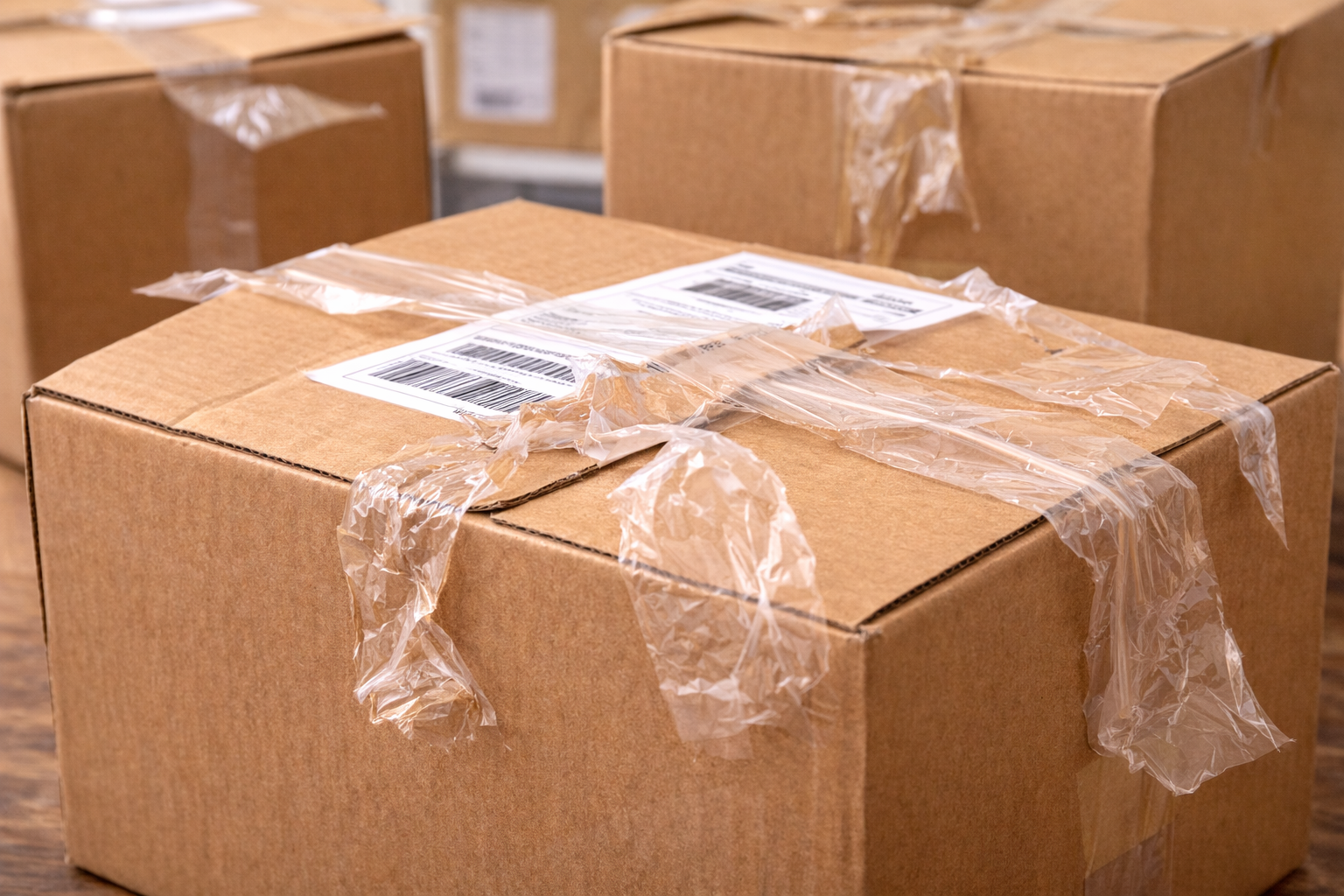
Good shipping boxes are matched to the product they carry. Weight, size, and fragility all matter. When the box fits correctly, the shipment feels solid instead of loose. Less filler is needed, and the box is less likely to shift or crush.
Stacking strength is another overlooked factor. Shipping boxes are rarely shipped alone. They get stacked in trucks, warehouses, and sorting centers. Boxes that can’t support weight from above often fail even if the product inside isn’t heavy. This leads to crushed corners, torn seams, and damaged contents.
Shipping boxes also affect speed. Boxes that fold cleanly and hold their shape make packing faster. Boxes that resist folding or lose their square shape slow the process and frustrate workers. Over time, these small delays increase labor costs.
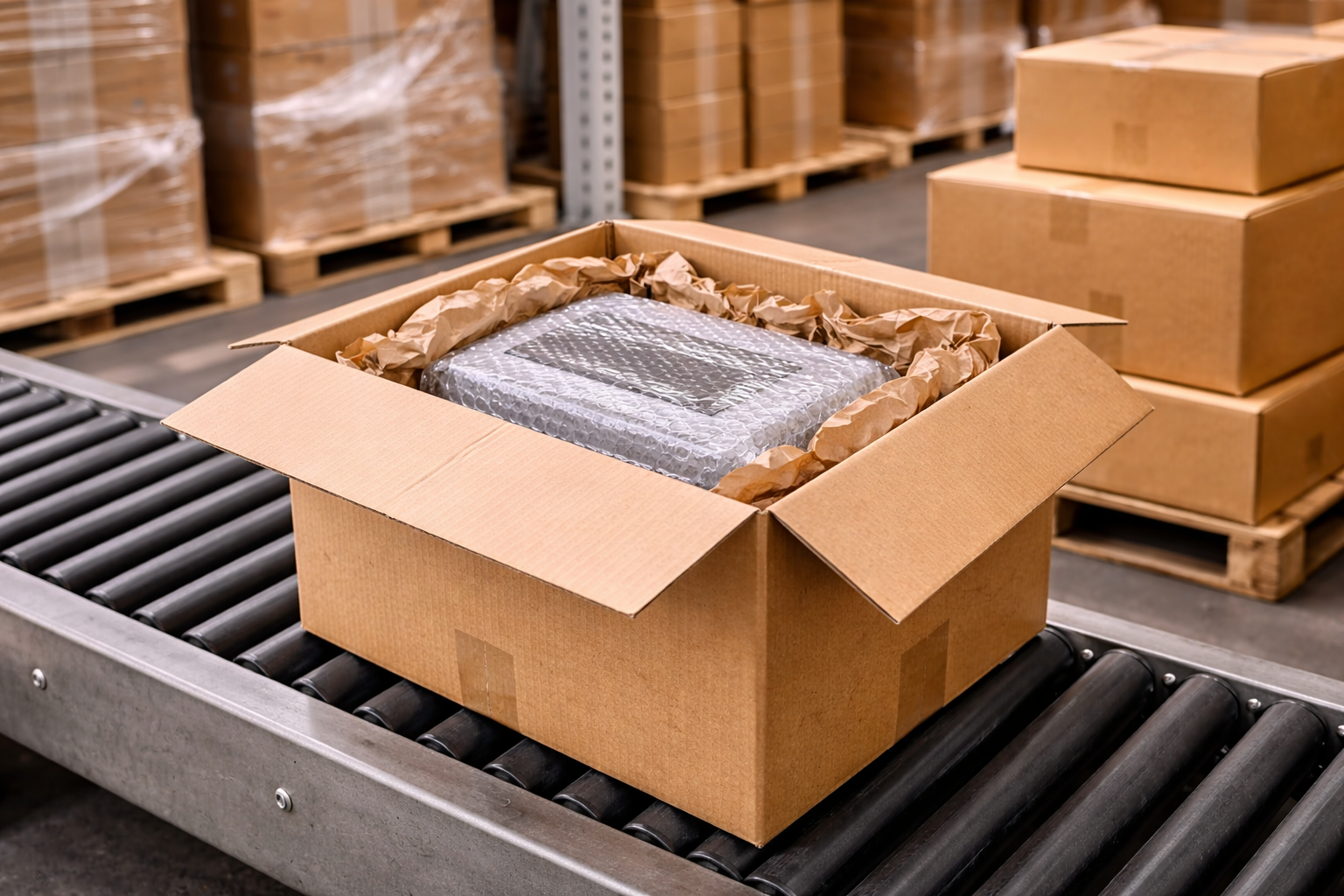
There’s also a cost illusion with boxes. Cheaper boxes can look like a savings, but they often require more tape, more filler, or double boxing to feel secure. When those extra materials and labor are added in, the total cost is usually higher than using the right box from the start.
Damage rates are closely tied to box quality. Even a small increase in damaged shipments can create a chain reaction of refunds, reships, and customer complaints. The cost isn’t just the product. It’s the shipping, the time, and the loss of trust.
Shipping boxes play a role in organization as well. Standard box sizes stack better and take up less space. This keeps storage areas cleaner and makes it easier to restock packing stations. Disorganized box storage leads to grabbing the wrong size out of convenience.
Customers notice boxes more than many businesses expect. A crushed or misshapen box creates a bad first impression, even if the product inside is fine. A clean, sturdy box feels intentional and professional. It sets expectations before the package is even opened.
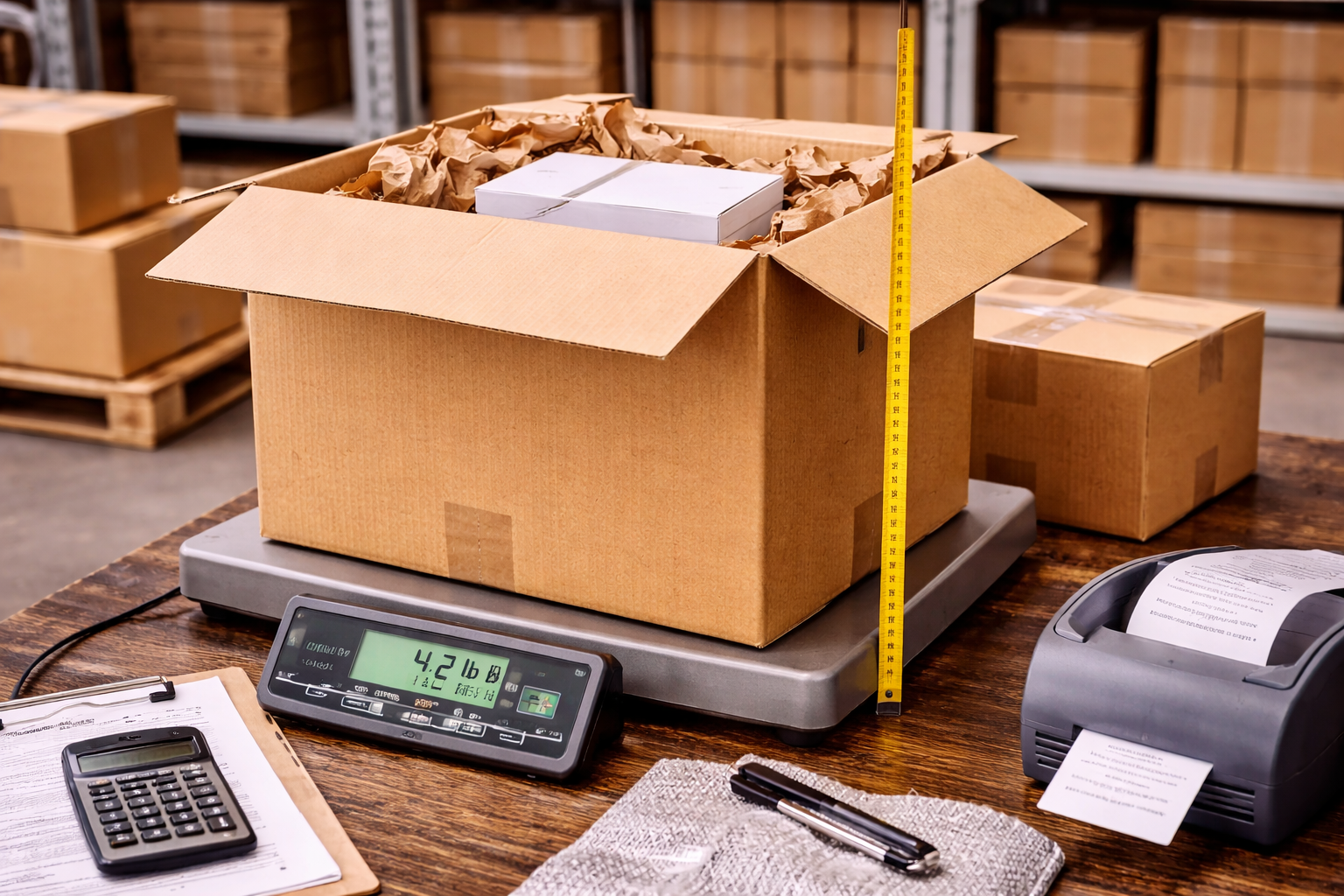
As shipping rates rise, box size matters more than ever. Dimensional pricing means oversized boxes cost more, even if they’re light. Using the right shipping box helps control these charges without changing carriers or service levels.
Shipping boxes are not just packaging. They are part of the shipping system itself. They affect cost, speed, damage rates, and customer perception all at once.
When shipping boxes are chosen carefully and used consistently, everything downstream works better. When they’re treated as an afterthought, problems tend to follow the shipment all the way to the customer’s door.