Monthly Archives: January 2026

Shipping Boxes Do More Work Than People Think

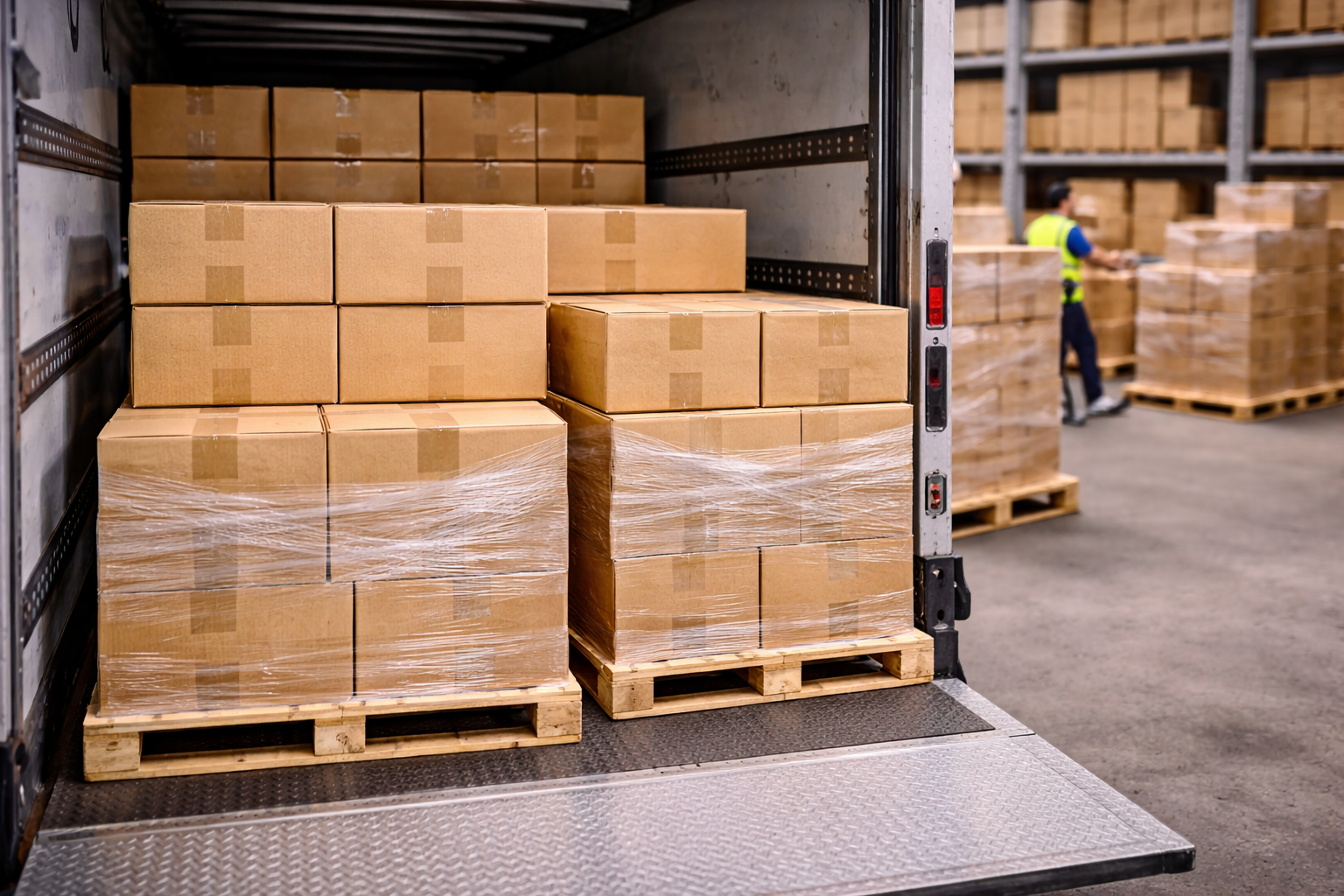
Shipping boxes are often treated like a simple container, but they do far more than just hold a product.

A box has to protect the item, survive handling, stack properly, and arrive looking acceptable to the customer. When a shipping box fails at any point, the problem usually shows up later as damage, delays, or added cost.

One of the most common mistakes businesses make is using the wrong box for the job. A box that’s too weak may hold the product on a shelf but collapse during transit. A box that’s too large creates empty space that needs filler, which adds cost and weight. Neither option is efficient.
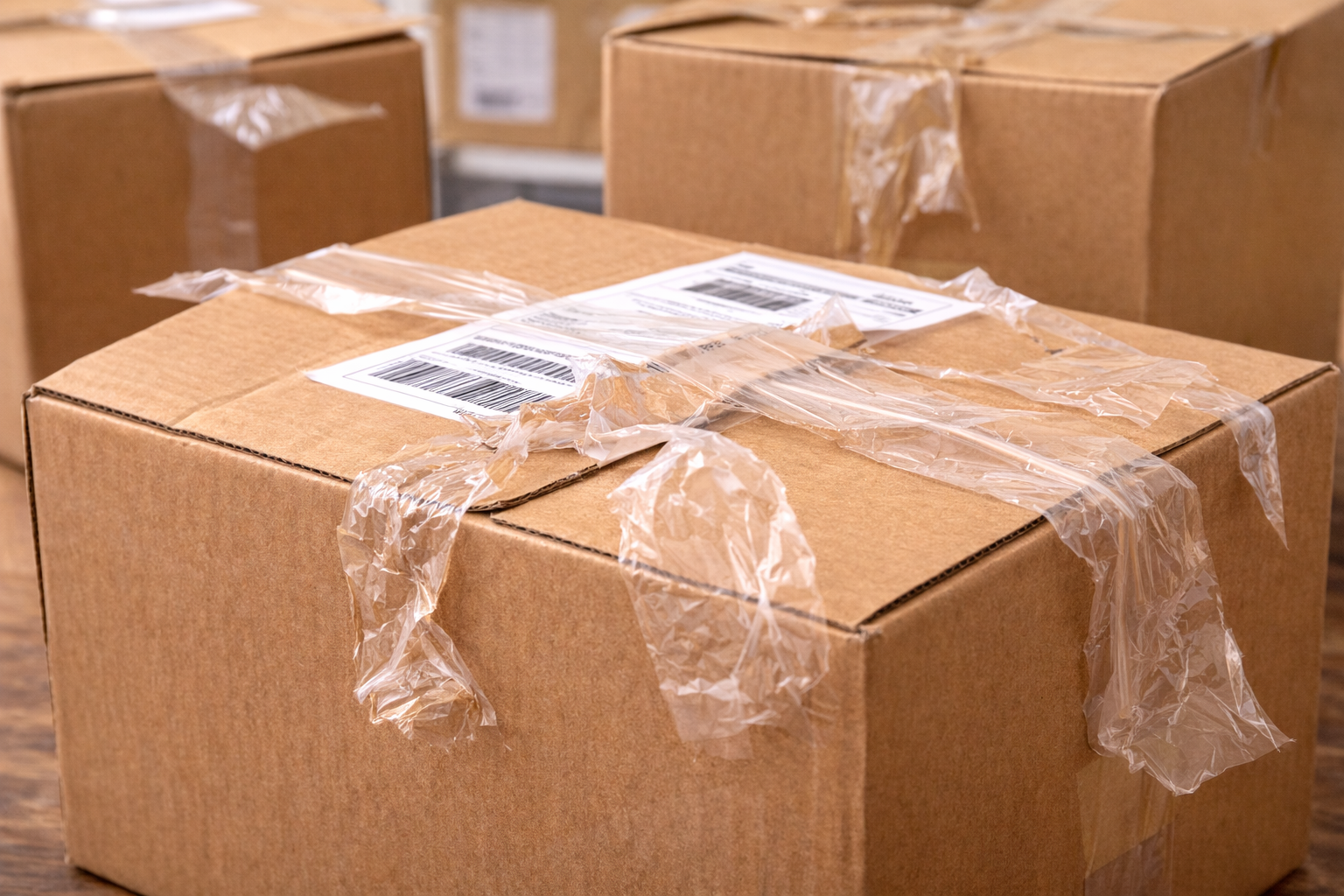
Good shipping boxes are matched to the product they carry. Weight, size, and fragility all matter. When the box fits correctly, the shipment feels solid instead of loose. Less filler is needed, and the box is less likely to shift or crush.

Stacking strength is another overlooked factor. Shipping boxes are rarely shipped alone. They get stacked in trucks, warehouses, and sorting centers. Boxes that can’t support weight from above often fail even if the product inside isn’t heavy. This leads to crushed corners, torn seams, and damaged contents.

Shipping boxes also affect speed. Boxes that fold cleanly and hold their shape make packing faster. Boxes that resist folding or lose their square shape slow the process and frustrate workers. Over time, these small delays increase labor costs.
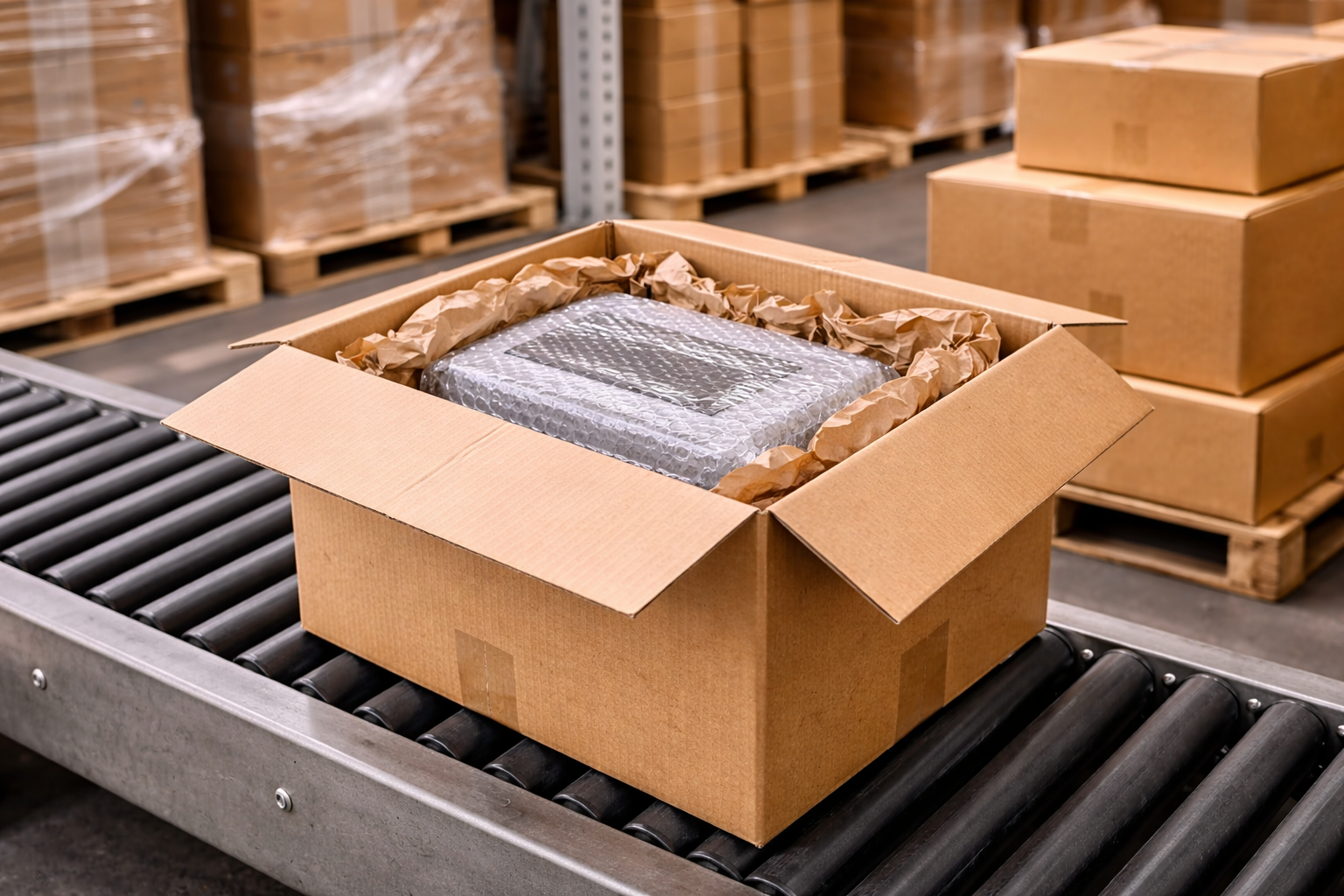
There’s also a cost illusion with boxes. Cheaper boxes can look like a savings, but they often require more tape, more filler, or double boxing to feel secure. When those extra materials and labor are added in, the total cost is usually higher than using the right box from the start.

Damage rates are closely tied to box quality. Even a small increase in damaged shipments can create a chain reaction of refunds, reships, and customer complaints. The cost isn’t just the product. It’s the shipping, the time, and the loss of trust.

Shipping boxes play a role in organization as well. Standard box sizes stack better and take up less space. This keeps storage areas cleaner and makes it easier to restock packing stations. Disorganized box storage leads to grabbing the wrong size out of convenience.

Customers notice boxes more than many businesses expect. A crushed or misshapen box creates a bad first impression, even if the product inside is fine. A clean, sturdy box feels intentional and professional. It sets expectations before the package is even opened.
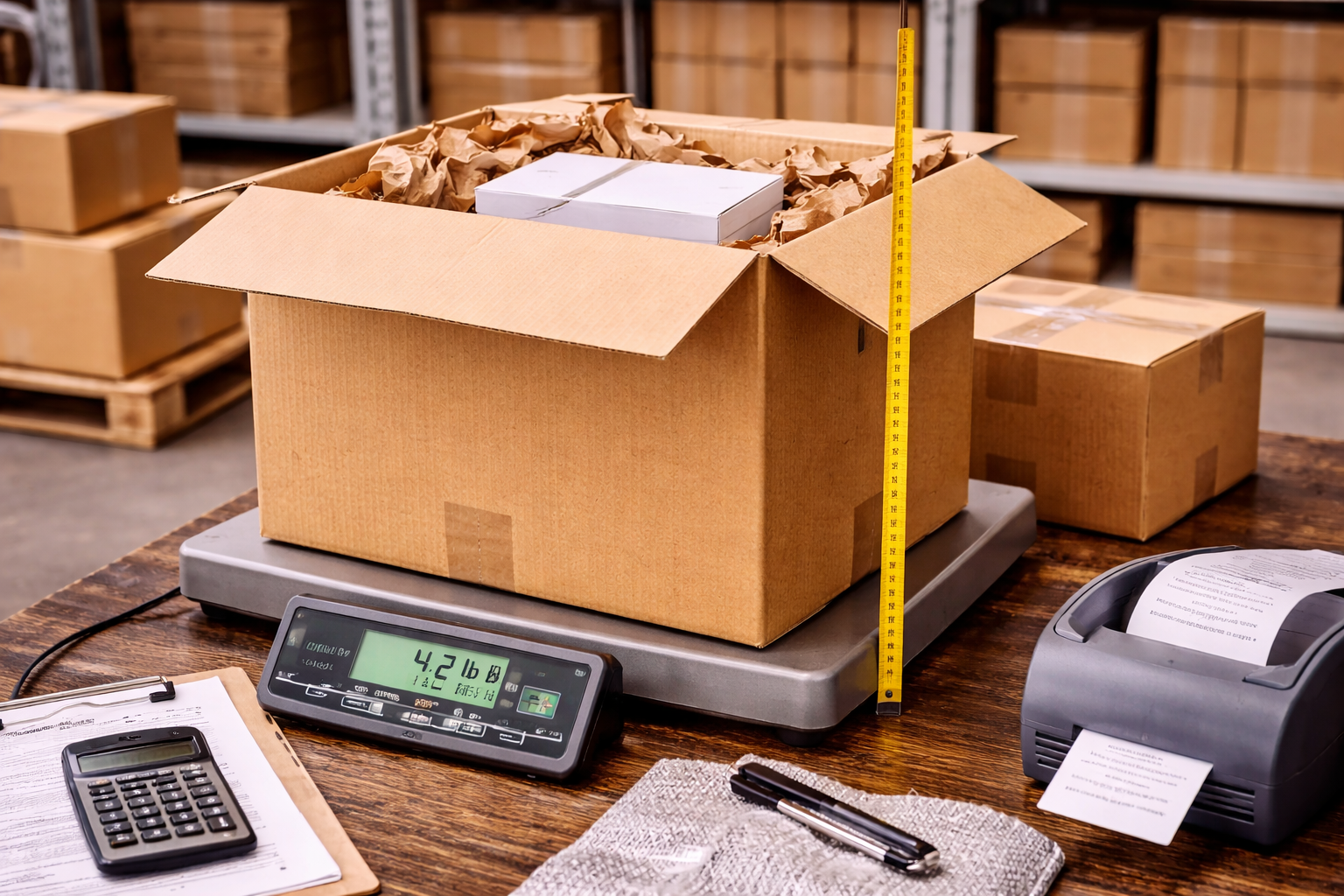
As shipping rates rise, box size matters more than ever. Dimensional pricing means oversized boxes cost more, even if they’re light. Using the right shipping box helps control these charges without changing carriers or service levels.

Shipping boxes are not just packaging. They are part of the shipping system itself. They affect cost, speed, damage rates, and customer perception all at once.

When shipping boxes are chosen carefully and used consistently, everything downstream works better. When they’re treated as an afterthought, problems tend to follow the shipment all the way to the customer’s door.
Shipping Boxes Do More Work Than People Think

Shipping boxes are often treated like a simple container, but they do far more than just hold a product.

A box has to protect the item, survive handling, stack properly, and arrive looking acceptable to the customer. When a shipping box fails at any point, the problem usually shows up later as damage, delays, or added cost.

One of the most common mistakes businesses make is using the wrong box for the job. A box that’s too weak may hold the product on a shelf but collapse during transit. A box that’s too large creates empty space that needs filler, which adds cost and weight. Neither option is efficient.

Good shipping boxes are matched to the product they carry. Weight, size, and fragility all matter. When the box fits correctly, the shipment feels solid instead of loose. Less filler is needed, and the box is less likely to shift or crush.

Stacking strength is another overlooked factor. Shipping boxes are rarely shipped alone. They get stacked in trucks, warehouses, and sorting centers. Boxes that can’t support weight from above often fail even if the product inside isn’t heavy. This leads to crushed corners, torn seams, and damaged contents.

Shipping boxes also affect speed. Boxes that fold cleanly and hold their shape make packing faster. Boxes that resist folding or lose their square shape slow the process and frustrate workers. Over time, these small delays increase labor costs.

There’s also a cost illusion with boxes. Cheaper boxes can look like a savings, but they often require more tape, more filler, or double boxing to feel secure. When those extra materials and labor are added in, the total cost is usually higher than using the right box from the start.

Damage rates are closely tied to box quality. Even a small increase in damaged shipments can create a chain reaction of refunds, reships, and customer complaints. The cost isn’t just the product. It’s the shipping, the time, and the loss of trust.

Shipping boxes play a role in organization as well. Standard box sizes stack better and take up less space. This keeps storage areas cleaner and makes it easier to restock packing stations. Disorganized box storage leads to grabbing the wrong size out of convenience.

Customers notice boxes more than many businesses expect. A crushed or misshapen box creates a bad first impression, even if the product inside is fine. A clean, sturdy box feels intentional and professional. It sets expectations before the package is even opened.

As shipping rates rise, box size matters more than ever. Dimensional pricing means oversized boxes cost more, even if they’re light. Using the right shipping box helps control these charges without changing carriers or service levels.

Shipping boxes are not just packaging. They are part of the shipping system itself. They affect cost, speed, damage rates, and customer perception all at once.

When shipping boxes are chosen carefully and used consistently, everything downstream works better. When they’re treated as an afterthought, problems tend to follow the shipment all the way to the customer’s door.
The Lightweight Packaging That Works Hard Everywhere

Poly bags might seem simple, but they’re one of the most versatile and hard-working packaging tools used in businesses, warehouses, retail shops, and homes. Clear or opaque, thick or thin, sealed or zip-top—poly bags adapt to almost any job. They protect products, organize small items, speed up shipping, and keep goods clean and visible. Their simplicity is exactly what makes them so dependable.

One of the biggest strengths of poly bags is flexibility. Unlike rigid containers, a poly bag molds around whatever you place inside—fabric, hardware, documents, snacks, cosmetics, or craft supplies. It doesn’t fight the shape of the item. It bends, stretches, and adjusts, making it perfect for products that don’t fit neatly into boxes. A single bag type can serve dozens of different purposes.

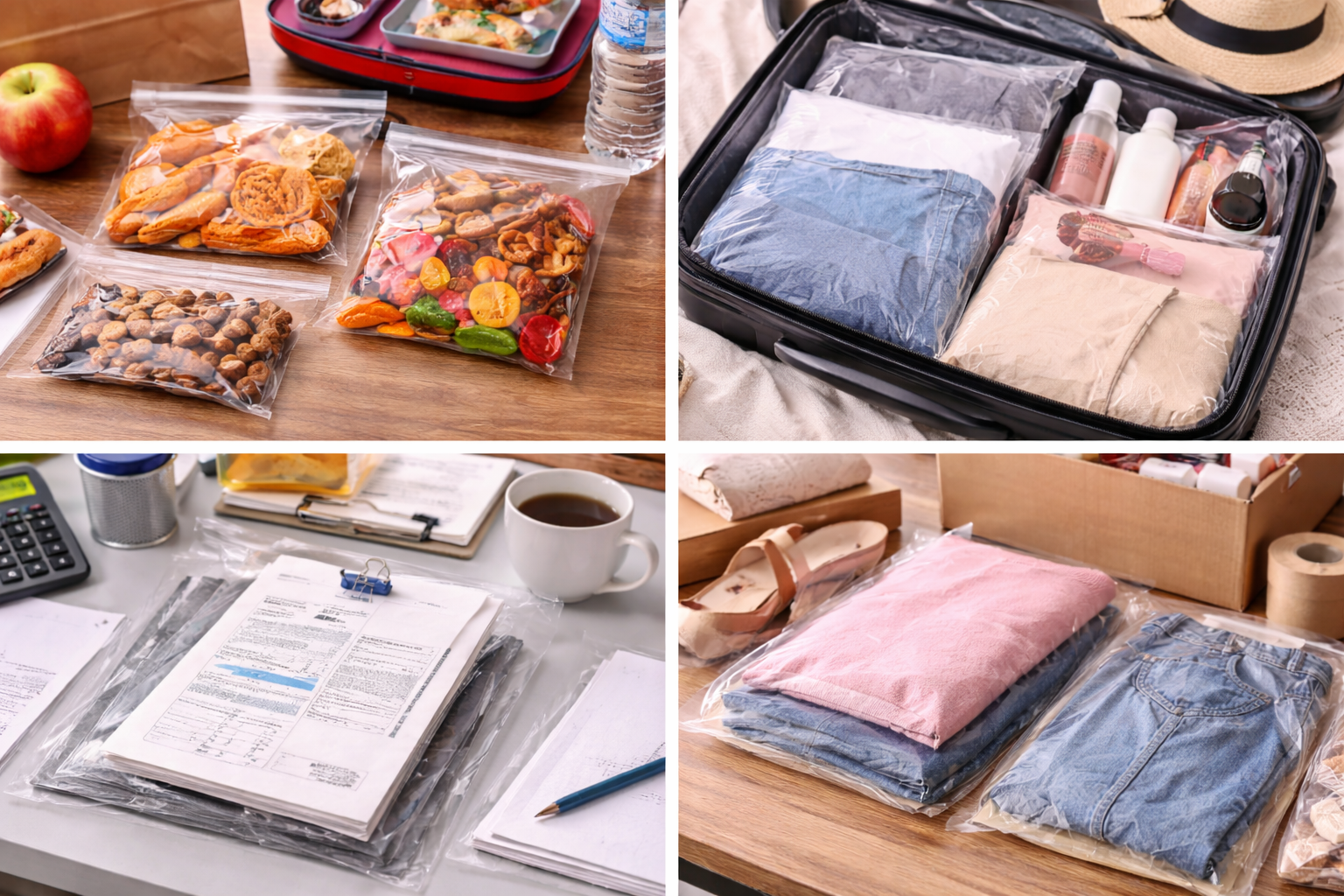
Visibility is another advantage. Clear poly bags allow customers and workers to see exactly what’s inside without opening anything. This is incredibly helpful in retail settings. Small accessories, replacement parts, jewelry, toys, and office supplies all benefit from being seen instantly. A clean display of products in clear bags looks organized and inviting. Workers can scan barcodes right through the bag, making stocking and checkout faster.

Poly bags also provide reliable protection. They shield items from dust, moisture, and fingerprints. A shirt packed inside a poly bag stays crisp and clean. A stack of paperwork stays neat. Electronics stay safe from static when stored in specialized anti-static bags. Even when placed inside a shipping box, poly bags offer a second layer of protection that prevents scratches and keeps items looking new.

Shipping departments rely on poly bags for speed and efficiency. They’re lightweight—much lighter than boxes—and that reduces shipping costs. For high-volume businesses, that weight difference adds up quickly. Packing is fast: open the bag, drop in the item, seal it, and move to the next order. Resealable bags make returns easier and allow customers to reuse the bag for storage.

For food, poly bags are a daily essential. Families use them for snacks, lunches, meal prep, and freezer storage. They prevent leaks, reduce exposure to air, and keep items fresh longer. Their flexibility means they fit easily into lunchboxes, backpacks, and coolers without taking up unnecessary space. Even at home, poly bags quietly make life more organized.

Organization is one area where poly bags shine even outside of packaging. Drawers, toolboxes, craft rooms, garages, and office cabinets all become easier to manage when small items are grouped in bags. Instead of loose screws, markers, cords, or puzzle pieces rolling around, everything stays contained. A simple label or a piece of tape on the outside makes the contents easy to identify.

Businesses also appreciate the cost savings that come with poly bags. They are inexpensive to buy in bulk, take up almost no storage space, and reduce packaging waste. Their ability to protect products helps prevent damage, which lowers return rates and customer complaints. Even small savings become significant when multiplied across thousands of shipments.

Poly bags also offer a wide range of styles and thicknesses. Thin bags for lightweight items. Heavy-duty bags for tools or hardware. Gusseted bags for bulky items. Hang-hole bags for retail displays. Static-shielding bags for electronics. Zip-top bags for easy opening and closing. Every task has a bag designed specifically for it, which adds even more versatility to an already adaptable product.

Even in everyday life, poly bags support major moments. Moving homes? They hold small parts, cables, or bathroom items that would otherwise get lost. Traveling? They separate toiletries, protect documents, and keep clothing organized. Hosting events? They store snacks, giveaways, or small gifts.

What makes poly bags so valuable is how quietly they solve problems. They don’t demand attention. They don’t take up space. They simply make tasks easier—whether you’re shipping an order, prepping a meal, organizing a drawer, or stocking a shelf.

Poly bags are light, affordable, protective, and endlessly useful. They may be simple, but they’re one of the most effective packaging tools ever created.