Monthly Archives: December 2025

Lightweight, Tough, and Built for Everyday Use

Poly bags may look simple, but they are used everywhere. They are strong, flexible, easy to seal, and surprisingly reliable. You will find them in warehouses, mailrooms, retail stores, kitchens, garages, and shipping centers. They do not take up space, they do not add weight, and they keep things clean and protected. That is why businesses and homes rely on them every day.

The biggest advantage of poly bags is versatility. They can hold food, clothing, paperwork, parts, hardware, or anything that needs a protective layer. They come in clear plastic, which makes it easy to see what is inside. There are also opaque bags for privacy, anti-static bags for electronics, and extra-thick bags for heavy objects. Whatever the job, there is a poly bag that fits it.
Poly bags are lightweight, yet they are strong. They do not tear easily, and they stretch instead of snapping. This makes them perfect for items that need flexibility. If the bag gets bumped or pushed, it absorbs the movement without breaking. That is something cardboard alone cannot do. When boxes and bags are used together, they create a powerful team. The box provides structure, and the bag provides protection from dust, moisture, and scratches.

Retail stores use poly bags for display. When the product is visible, customers feel more confident. They can see the color, the finish, the size, and the shape. A small hole punched at the top allows the bag to hang neatly on a peg. This keeps shelves clean and organized. It also makes restocking easy. Workers can scan barcodes through the plastic without removing the item.

Shipping departments love poly bags for efficiency. Bags weigh almost nothing. When a company ships hundreds of items a day, weight matters. Every ounce adds cost. Poly bags save money without sacrificing strength. If a product needs extra protection, bubble poly bags cushion it. If it needs a tight seal, zip-tops or heat seals keep everything shut. When the customer opens the package, the item is clean, dry, and safe.

Food storage is another area where poly bags shine. They keep snacks, baked goods, and leftovers fresh. They do not absorb odors. They do not leak. Kitchens can freeze them, refrigerate them, or pack them for travel. The bag bends and moves without spilling. For families, that convenience is a daily advantage.

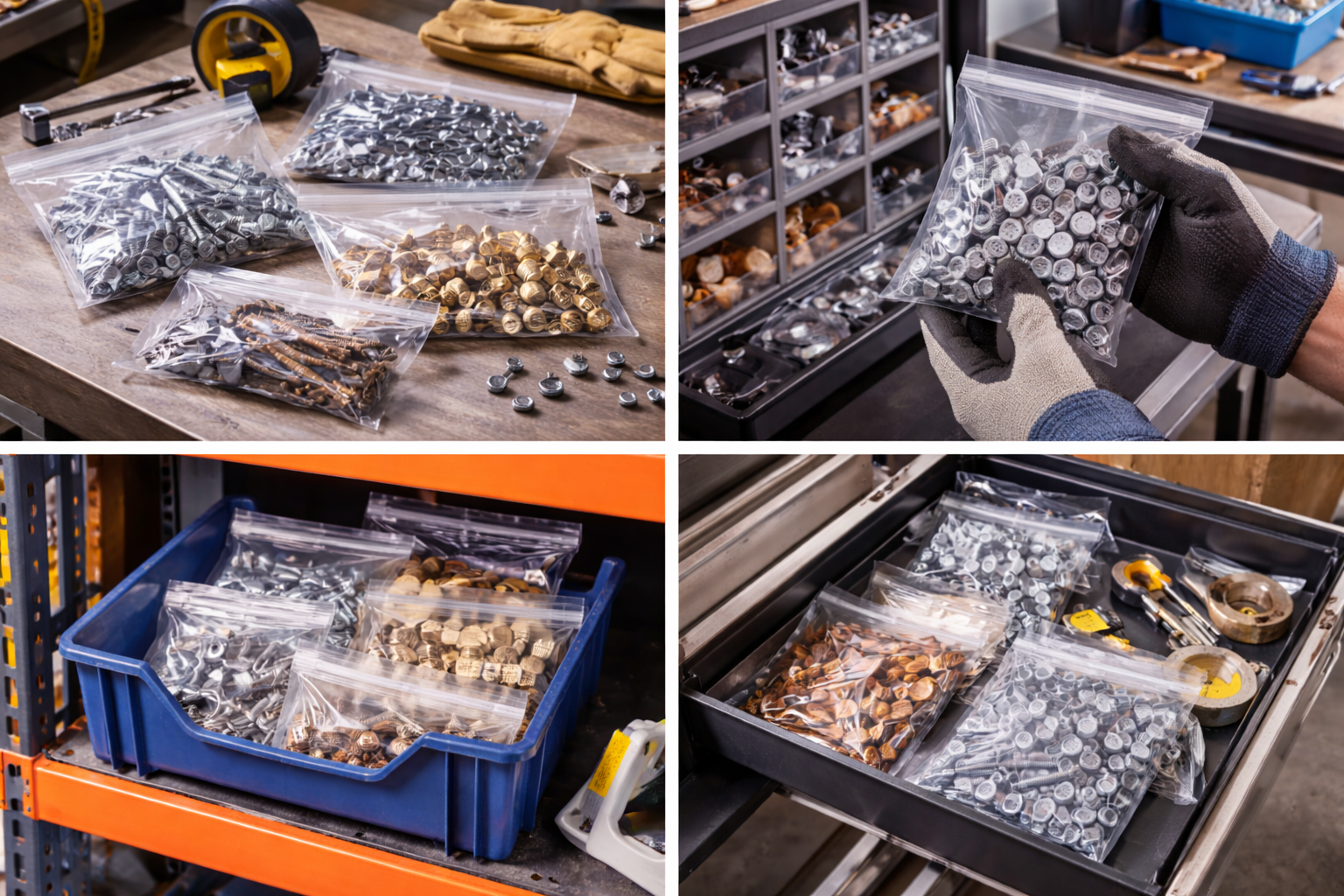
Even in heavy industry, poly bags have a role. Bolts, screws, washers, and small machine parts disappear easily if they are not stored properly. Poly bags keep pieces together. Workers can label the bag and see everything inside. There is no confusion. No time wasted searching through bins.
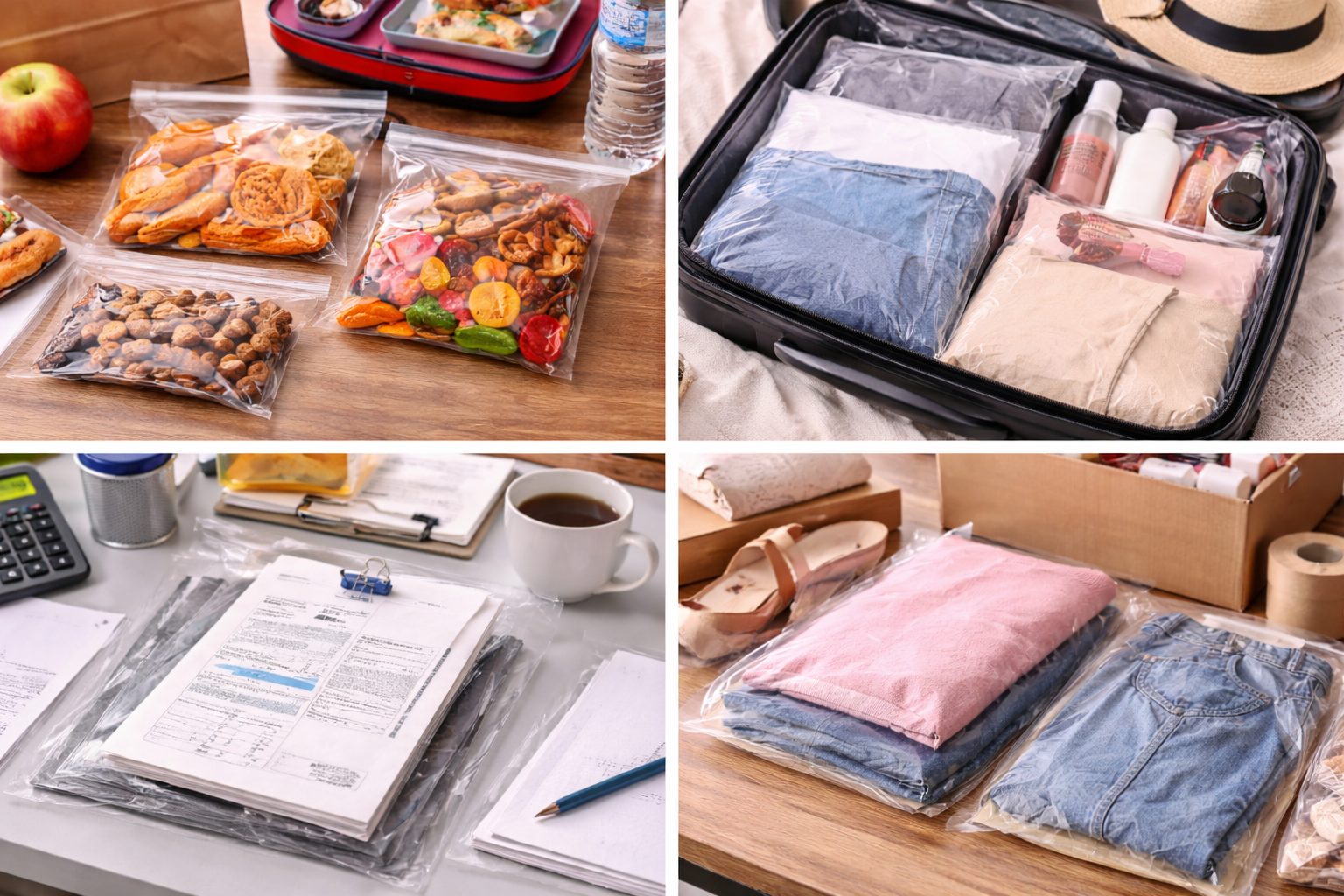
Organization is easier when items have a home. Poly bags give every item its own place. Papers stay flat. Cables stay untangled. Jewelry stays clean. Craft supplies stay sorted. A drawer full of bags can hold a whole room’s worth of small belongings. It is a simple solution, but it works.

Poly bags are also cost-effective. They are affordable, and they come in hundreds of sizes. Businesses can buy them in large quantities and reduce packaging costs. Homes can reuse them again and again. When they finally wear out, many bags can be recycled.

What makes poly bags so helpful is that they solve problems quietly. They do not take up space. They do not get in the way. They just make life easier. They protect, they display, they organize, and they ship. For something so small and light, poly bags make a big difference.
The Essentials That Keep Every Shipment Moving

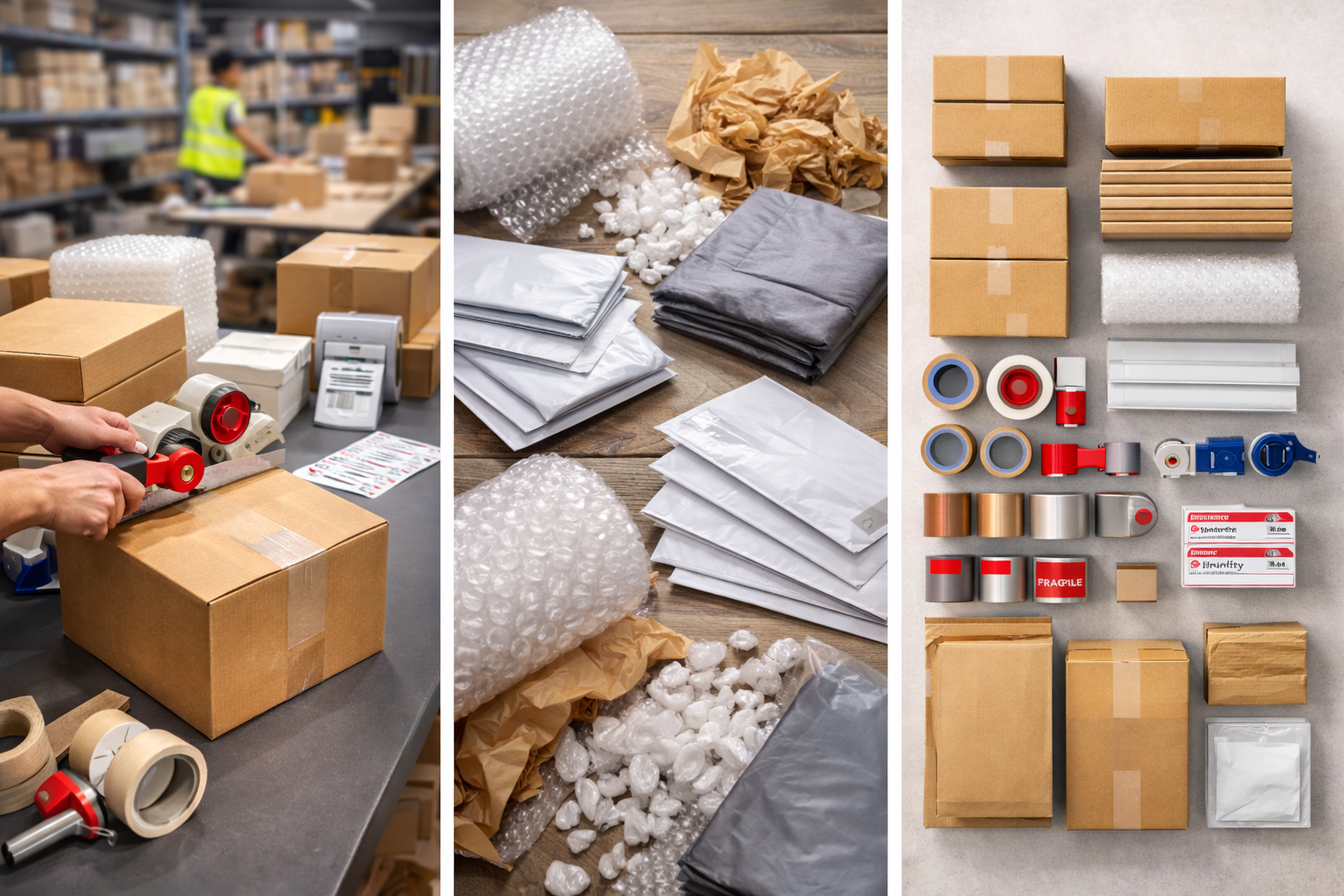
Shipping supplies are the unseen engine behind every order that travels from a business to a customer. They may not get the spotlight, but they keep products safe, workflows steady, and packages moving without delay. Without the right shipping supplies—tape, boxes, labels, mailers, cushioning, and protective bags—nothing ships smoothly. Whether a company sends five orders a day or five thousand, the right supplies make the entire system stronger.

Shipping begins long before a truck pulls up. It starts at the packing station. Workers reach for tape, cutters, labels, and the correct size box. When the supplies are predictable and well-stocked, packing becomes a clean rhythm instead of a stop-and-go struggle. Boxes fold without tearing. Tape seals without peeling. Labels stick the first time. That reliability matters because shipping relies on speed. A few seconds saved per package adds up to hours saved each week.

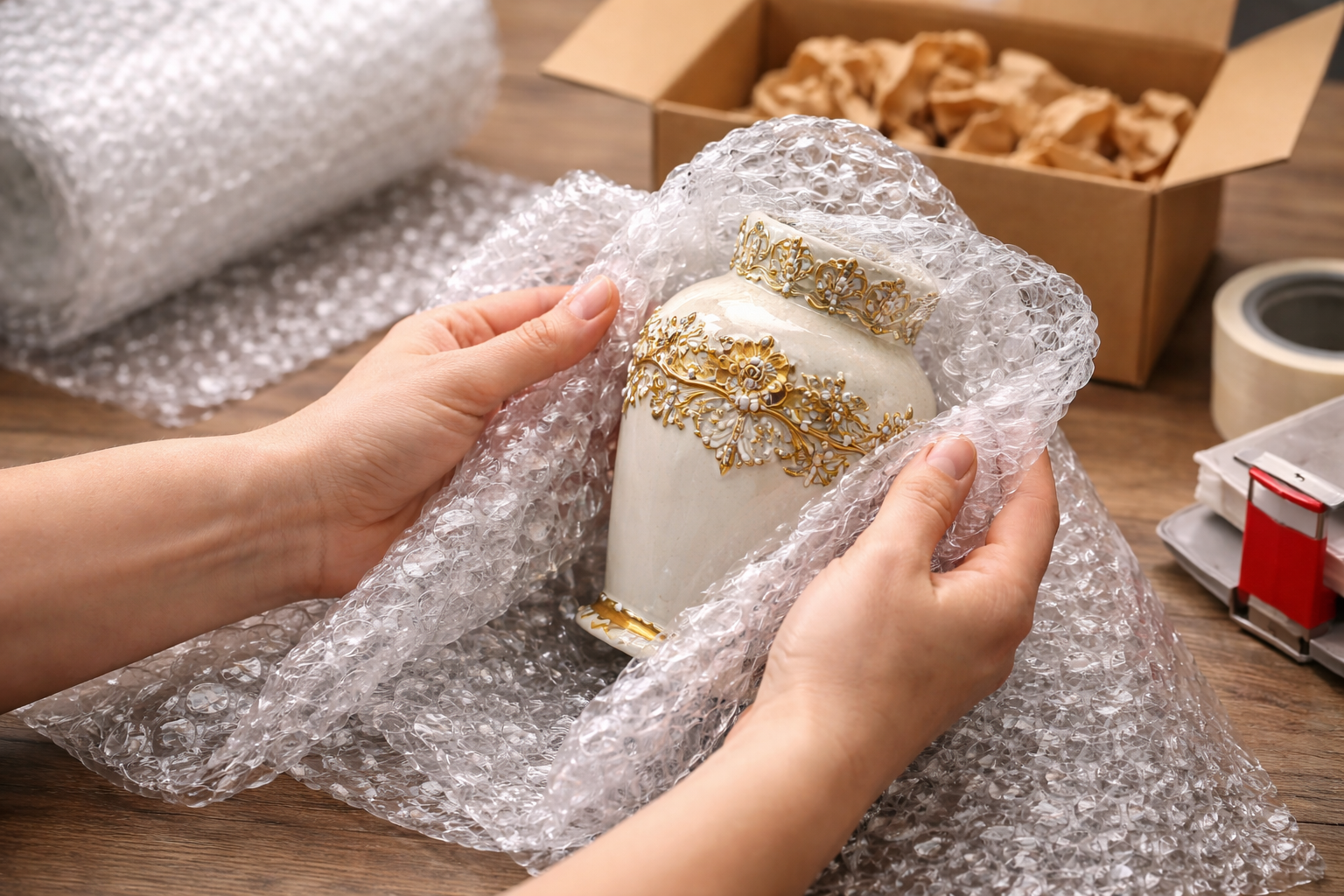
Protection is the heart of shipping supplies. Every item, no matter how sturdy, is at risk during transit. A package can face bumps, vibration, stacking pressure, and moisture. Strong boxes provide structure. Bubble wrap cushions fragile items. Kraft paper fills empty spaces so products don’t rattle. Poly bags shield clothing or documents from dust and humidity. Together, these supplies create a protective environment that keeps products looking perfect from shelf to doorstep.

Shipping supplies also shape the customer experience in ways people often overlook. The way a box is packed, the neatness of the tape, the tidiness inside the package—all of it communicates something about the business. A clean, well-protected shipment tells customers the company cares. It builds trust. Even a low-cost order feels more valuable when it arrives organized and protected. That impression creates loyalty and drives repeat purchases.

Costs also come into play. High-quality shipping supplies may cost slightly more upfront, but they save money in the long run. A sturdier box reduces damage claims. Better cushioning prevents breakage. Reliable tape stops boxes from opening in transit. Every product that arrives safely is one less return, one less complaint, and one more satisfied customer. Over time, shipping supplies protect profit as much as they protect the product.

Another important role shipping supplies play is standardization. When a business uses consistent sizes of boxes, mailers, and cushioning, everything becomes easier to organize. Shelves stay neat. Inventory stays predictable. Workers know exactly which supplies match which products. This avoids errors and speeds up fulfillment. For growing businesses, this kind of order becomes essential.

Shipping supplies are equally important in homes. People mail gifts, return online purchases, protect items during moves, and store fragile belongings. Mailing envelopes keep documents crisp. Bubble mailers protect small items. Boxes hold everything from books to picture frames. Having the right supplies at home saves stress and prevents damage.

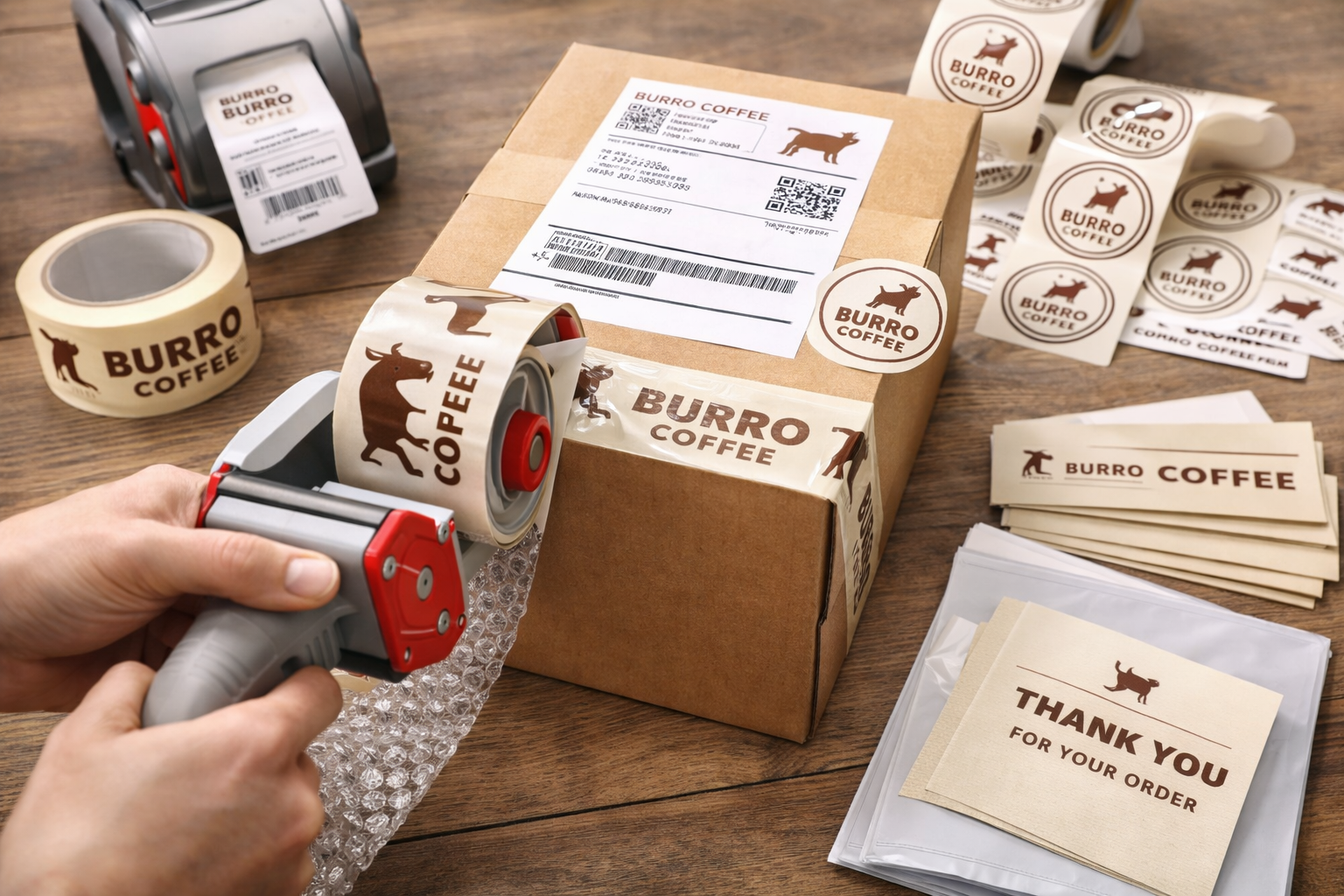
Branding also fits into the world of shipping supplies. Custom tape, printed labels, and branded stickers all elevate the experience. They turn a basic shipment into a moment of connection. Customers remember these touches. The outside of the box becomes an extension of the company’s identity and personality.

At their core, shipping supplies solve problems quietly. They prevent damage, speed up workflow, and help packages survive a long, unpredictable journey. They make businesses look professional and customers feel confident. They simplify tasks that would otherwise feel chaotic.

Shipping may be fast-paced and sometimes stressful, but the right supplies keep everything steady. They are the tools that hold the entire process together—one box, one roll, one shipment at a time.

Why Your Shipping Area Might Be Costing You More Than You Think

Most people don’t realize how much money slips away in the shipping corner of their business. It doesn’t show up on reports, and it doesn’t scream for attention, but it’s there. It hides in wasted time, wasted materials, and the small mistakes that turn into bigger problems once a package leaves the building. And almost every one of those issues ties back to the shipping supplies you choose and how easy they are to use.

Picture someone on your team getting ready to pack an order. They reach for a box, but the one they need isn’t there. So they grab a bigger one, hoping it will work. Now the box is too roomy, which means more filler, more tape, and more time trying to make it feel “safe enough.” By the time they’re done, the package weighs more, looks awkward, and costs extra to ship. Nothing about it feels smooth or efficient, and all of that happened before the label was even printed.

Then the package begins its journey. Because the box was the wrong size, the items shift during transport. They settle into one corner. They rub against each other. The filler bunches up and stops helping. When the customer opens the box, everything looks tossed around, even if nothing is actually broken. That sloppy moment is enough to make them wonder if your business is careful or careless. And once a customer starts questioning that, you don’t just risk one sale. You risk the next one too.

Now imagine the same order packed with the right shipping supplies. The correct box is easy to grab because the shelves are filled with intention instead of guesswork. The product fits the space naturally. The filler supports each item instead of just taking up room. The tape seals tight and doesn’t need to be doubled up. The whole process feels calm instead of rushed. Your team doesn’t need to force anything or fix anything. They just pack it once, pack it right, and move on.

This is where good shipping supplies quietly change everything. They make your business feel orderly, professional, and steady even on your busiest days. Your team works faster without cutting corners. Your shipments look cleaner without costing more. Your customers open each box and sense that they’re buying from a business that values the details, even the ones no one talks about.

There’s also something deeply practical about choosing better supplies. When your boxes, tape, and fillers actually match what you ship, you waste far less material. You send out fewer oversized packages. You avoid those small-but-annoying returns caused by items shifting or cracking in transit. Your customer service team spends less time writing apology emails. Your shipping costs drop without you having to change anything about your product line.

And using better supplies doesn’t mean you’re being flashy or trying to impress anyone. In many cases, it’s simply about stewardship—choosing materials that hold up, protect your product, and use resources wisely. Many modern shipping supplies are made from recycled or responsibly sourced materials, which lets you ship confidently while still being thoughtful about what you send into the world.

A box might look simple. A roll of tape doesn’t seem important. A stack of mailers doesn’t feel like a big decision. But all those small choices guide the entire customer experience from the moment the order leaves your hands to the moment it reaches theirs. When you give your team the right tools, your shipping area stops draining money and starts supporting the growth you’re working so hard to build.

Better shipping supplies won’t brag. They won’t sparkle. They won’t draw attention to themselves. But they will make your business run smoother, look sharper, and feel bigger to every customer who opens a package and quietly thinks, “This company gets it.”

The easy way to package treats without the mess or stress

Candy boxes may look simple, but anyone who ships sweets for a living knows how quickly the wrong packaging can turn a great product into a sticky, melted, dented disappointment. Whether you’re sending handcrafted chocolates for the holidays, caramel squares to local boutiques, or colorful gummies for an eCommerce order, the box you choose matters far more than most customers realize. Candy needs a package that protects it from bumps, temperature changes, crushing, humidity, and even the oils that naturally come from certain confections. A flimsy box can’t do that consistently, and that’s why so many small shops and large candy makers switch to higher-quality candy boxes once they begin scaling. They realize that the packaging is part of the product experience, and customers often judge the taste before they’ve even opened the lid.

Better candy boxes don’t just protect the product. They elevate the look and feel of everything inside. Picture the moment a customer picks up a neatly structured, glossy-white candy box with a smooth tuck-top closure and a firm, clean shape. Before they taste anything, they already sense quality. That’s because candy packaging influences expectations the same way a gift box does. A sturdy box sends the message that the treats inside were crafted with care. A weak one sends the opposite message, even if your candy is some of the best around.

When done right, candy boxes become silent salespeople. They travel through shipping hubs, retail shelves, and customer homes while carrying your brand’s reputation. Well-made boxes help prevent melting by keeping chocolates better insulated. They reduce breakage, keep powdered sugar from escaping, and make your colors pop against a clean background. For retailers selling macarons, fudge, or dipped pretzels, good candy boxes also support stacking and display, which helps you sell more without adding shelf clutter.

Sizing is another overlooked part of candy packaging. So many shops lose money by choosing boxes that are too large, forcing them to use more fillers, tissue, or cushioning material. That creates unnecessary cost and reduces the tight, premium presentation customers look for. The right candy box size creates a snug fit that protects the candy while highlighting it in an appealing way. That’s why professional candy makers often use several box sizes instead of trying to force everything into a single standard option. It reduces waste, makes the product look more centered, and keeps shipping weights consistent.

Printing is another area where businesses can elevate their packaging without overspending. Custom-printed candy boxes with a logo or branded color add a polished touch customers notice right away. Even small shops can use simple printed stickers or labels to add a personalized look without fully customizing the box structure. The goal is to give customers a memorable unboxing moment that feels like part of your brand story.

In today’s competitive food and gifting market, candy boxes are no longer just containers. They’re miniature storefronts that introduce your product long before someone tastes it. The right candy box increases customer satisfaction, reduces returns, protects delicate ingredients, and strengthens your overall presentation. If you want your sweets to stand out, last longer, and ship safely, choosing the right candy box isn’t optional. It’s an essential part of doing business — and one of the easiest improvements you can make to upgrade product quality without touching a recipe.