How a poly bag bends, feels & performs depends on how much force it can withstand. The amount of pressure a poly bag can withstand is determined by its mil thickness (the thickness of the plastic). This measurement does not represent the size of the bag (length or width), nor is it a measurement of inches; rather, one mil represents One-thousandth of an inch. Therefore, a higher mil number represents a thicker plastic film. A small increase in mil thickness can be critical when you are producing thousands of bags per year.
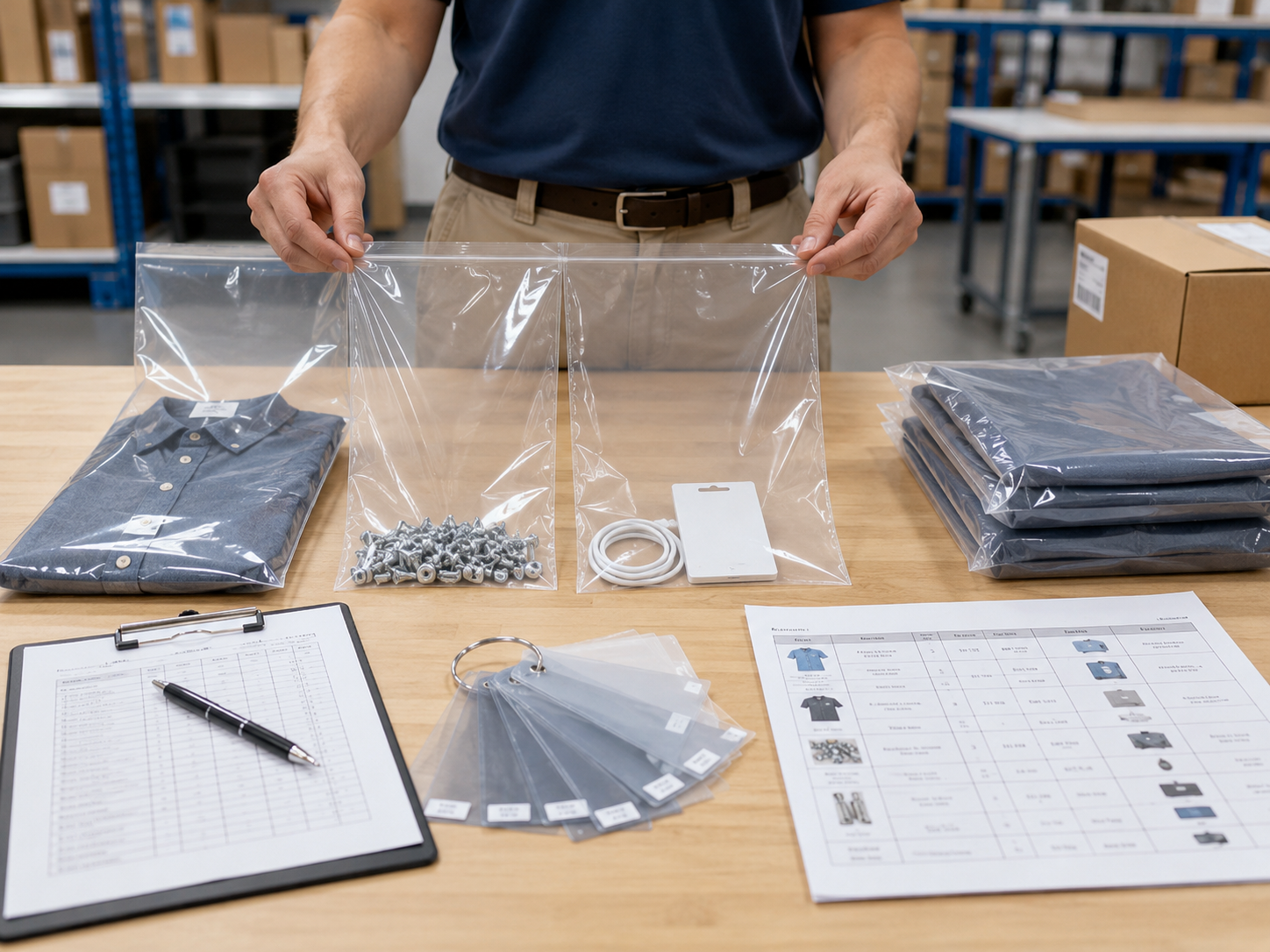
Greater thickness is not always better. While a thicker bag may provide greater durability when folded over a heavy product, a bag which is too thick may be difficult to fold over a lightweight product. Similarly, while a thinner bag may tear easily when holding a rough metal product, a slightly thicker bag would perform better. The correct level of thickness ultimately depends upon what is being packaged and the method of packaging.
Purchasing the thickest poly bags available for every application will result in excess material use.
To determine the required mil thickness, begin by evaluating the weight and shape of the product. For example, a flat piece of fabric will exert significantly less pressure on a plastic bag compared to a product with sharp points. Next evaluate if there are any potential “hot” areas such as a corner, thread, or metal edge that could potentially concentrate force on a single point. Although light products may appear to present no risk, they also have the capability to create holes due to concentrated force applied to a small area.
In addition to product characteristics, consider the Handling requirements of your operation. A bag that is used only once at a quiet desk presents a different set of demands than a bag that is lifted multiple times throughout the course of an eight-hour shift, and subjected to various forms of abrasion. Consider whether the users will need to repeatedly open and close the package, and thus subject it to repeated forces. Increased handling may require increased mil thickness or a different type of bag design.
It is unwise to judge strength by feeling alone. Two bags may look identical and even feel identical but their mil thickness values may vary dramatically. Always read the case label and store this information with your supplies. Labeling the shelf in large print is helpful in preventing employees from using the wrong thickness of bag based on appearance. Testing provides an accurate measure of performance rather than relying on guesswork. Test pack samples in conjunction with your actual products and simulate the normal usage conditions. Handle them normally (e.g., pick them up from the top) and then store them as you would in the storage containers. Inspect the areas where the product makes contact with the film for signs of wear including Stretch marks, cloudiness and minor cuts. These types of damage indicate that additional reinforcement may be necessary.
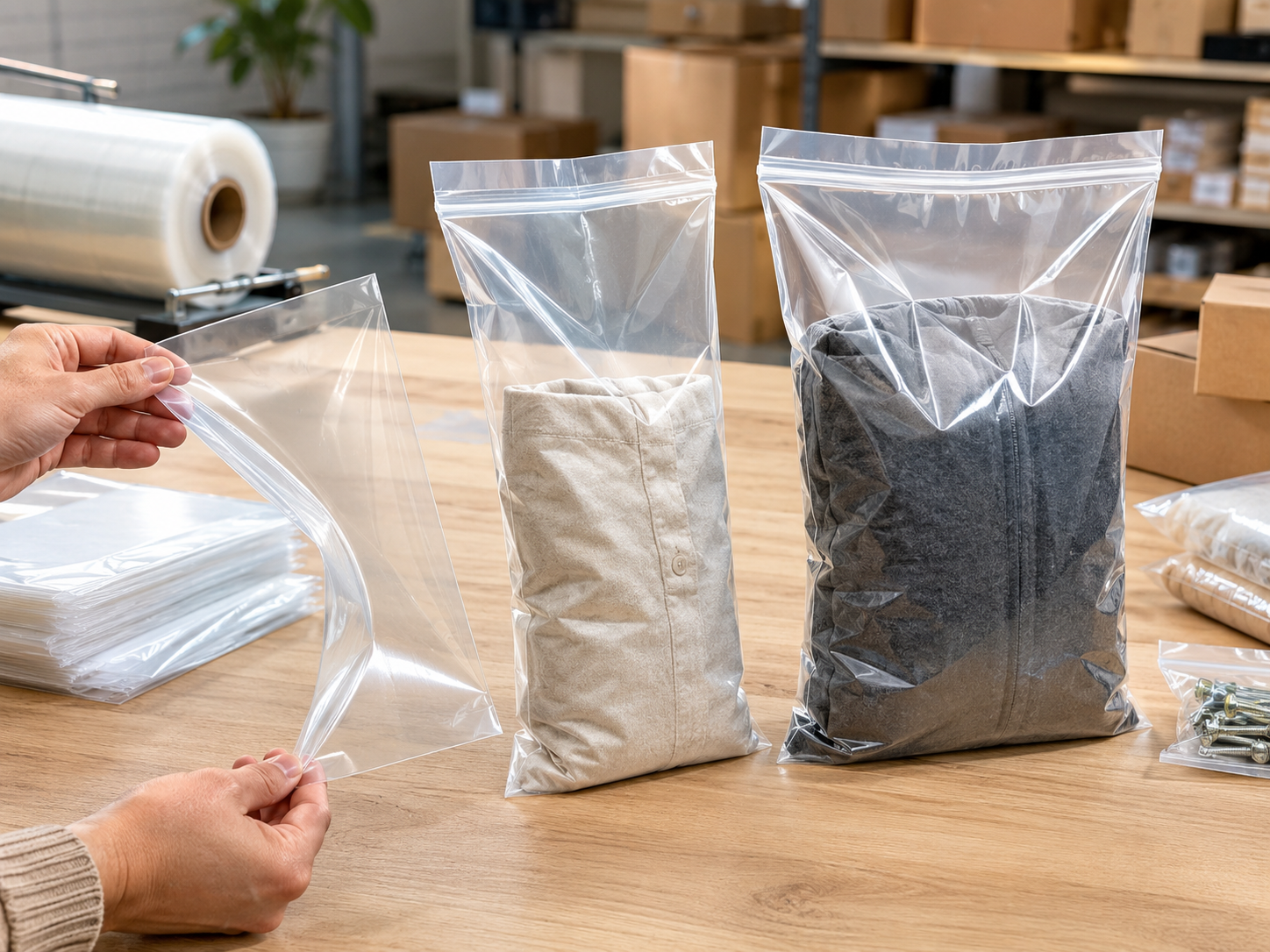
Selecting the proper mil value will allow you to complete your packaging tasks efficiently without creating unnecessary difficulties or waste. Store the selected thickness value with each product code so future orders utilize consistent specifications. Whenever introducing new products test each individual item prior to assigning a specific mil thickness. Recognizing mil thickness allows you to transform poly bags from an enigma into an informed decision-making process based on your products, processes and personnel.