You sealed it tight, stacked it neatly, and sent it out thinking everything was good to go. Then it shows up crushed on one side, or the item inside is scratched, loose, or worse. It feels like the box failed, but most of the time, the box is not the real issue. The problem usually starts with how the packaging supplies were chosen and used.
Think about what happens after a package leaves your hands. It gets moved fast, set down hard, and stacked under other boxes. Now picture your product inside that space. Is it snug and supported, or is it sliding around every time the box shifts? That small detail is where most damage begins.
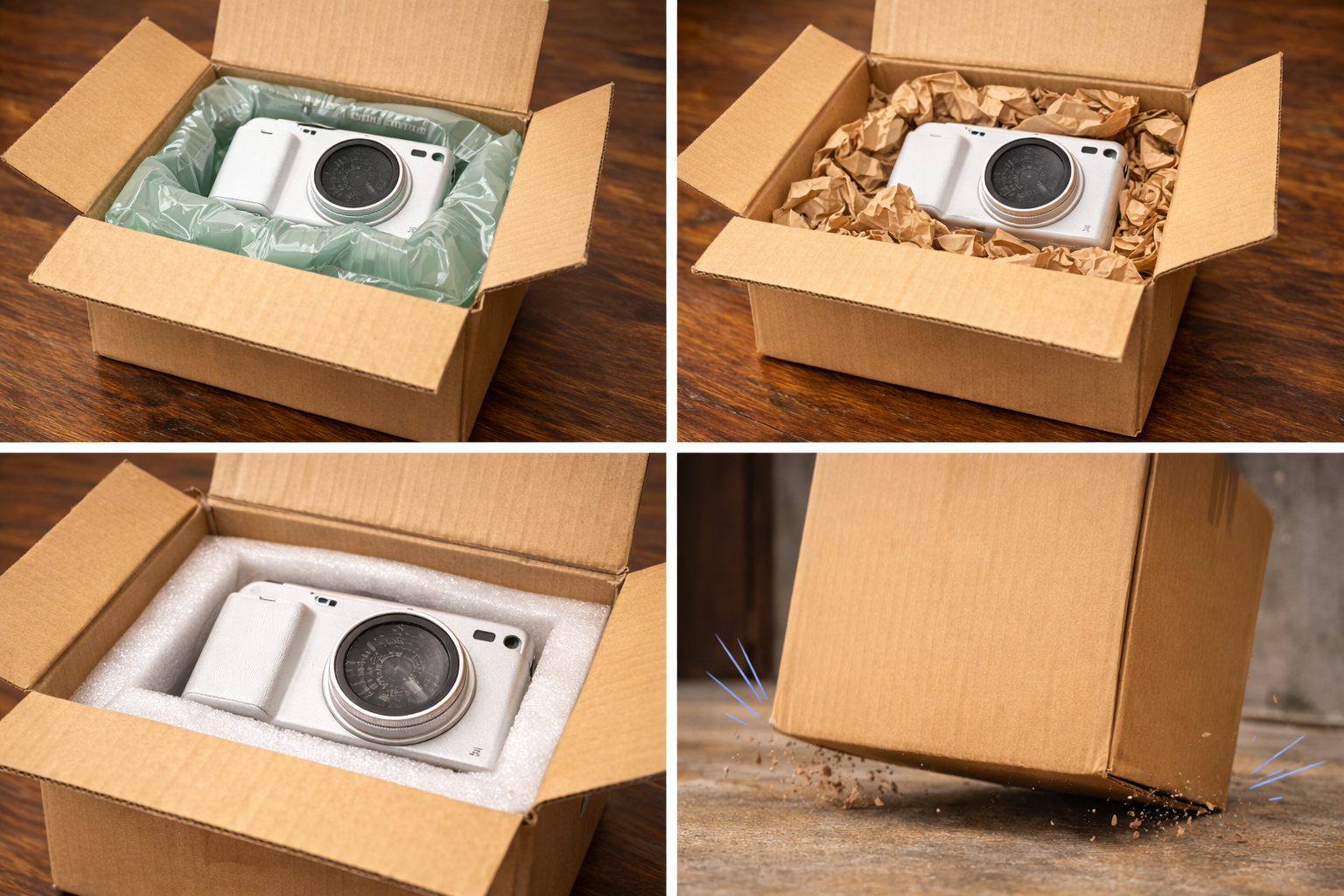
A lot of people grab whatever materials are nearby and hope for the best. Thin wrap, a box that is a little too big, or filler that does not stay in place can all lead to problems. It may look fine when you close it, but inside, things are already moving. When the package hits its first bump, that movement turns into damage.
The better way to think about packaging supplies is to imagine the trip before it happens. Picture placing your item in the center of the box, then gently shaking it. If you can feel it move, that is your first sign something needs to change. The goal is to make it feel like the item is held in place, almost like it is resting in a soft nest that keeps it steady.
Good padding does more than fill space. It absorbs impact. When a box is set down hard, the force should be taken by the materials around the product, not the product itself. This is where things like air cushions, packing paper, or molded inserts make a real difference. You are not just filling gaps. You are creating a layer that takes the hit first.
Size matters more than most people think. A box that is too large leaves too much room for shifting. A box that is too tight can press against the item and cause stress points. The right size lets you add just enough protection while keeping everything in place. When it is done right, the item feels secure without being squeezed.
There is also a moment many people overlook. It happens right before the box is sealed. This is the last chance to check if everything feels right. Lift the box slightly and move it side to side. If it feels solid, you are on the right track. If you hear or feel movement, take a few seconds to fix it. That small step can prevent a return later.
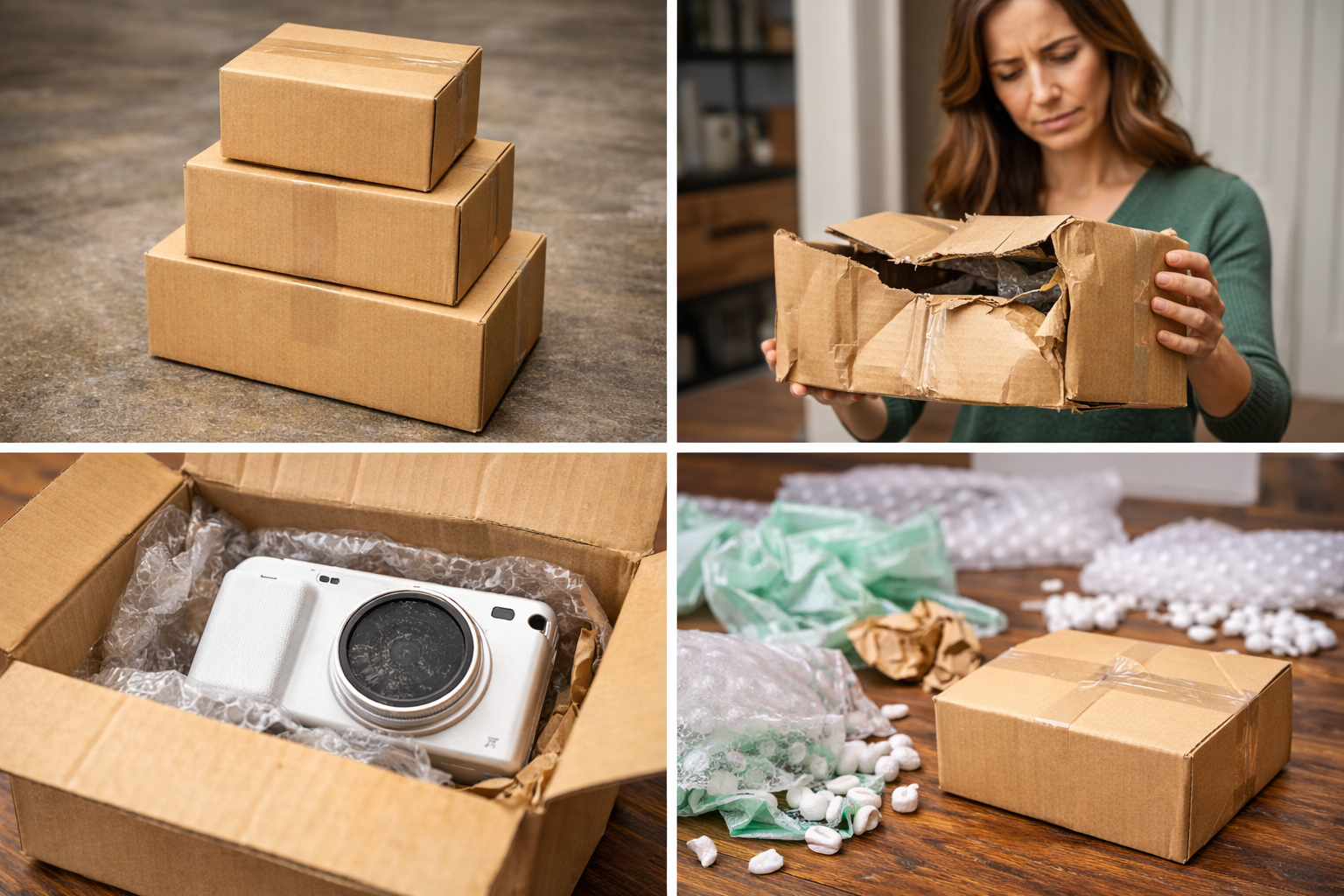
Another part of packaging supplies that often gets ignored is the outer seal. Tape is not just there to close the box. It keeps the structure strong during the trip. A firm seal across the center and edges helps the box hold its shape when pressure is applied from the outside.
When you start thinking this way, packaging becomes less about materials and more about control. You are guiding how your product moves, or does not move, from the moment it leaves you to the moment it arrives.
In the end, people do not remember the box. They remember opening it and seeing everything arrive the way it should. Clean, safe, and ready to use. That experience builds trust, and it starts with choosing and using packaging supplies the right way.